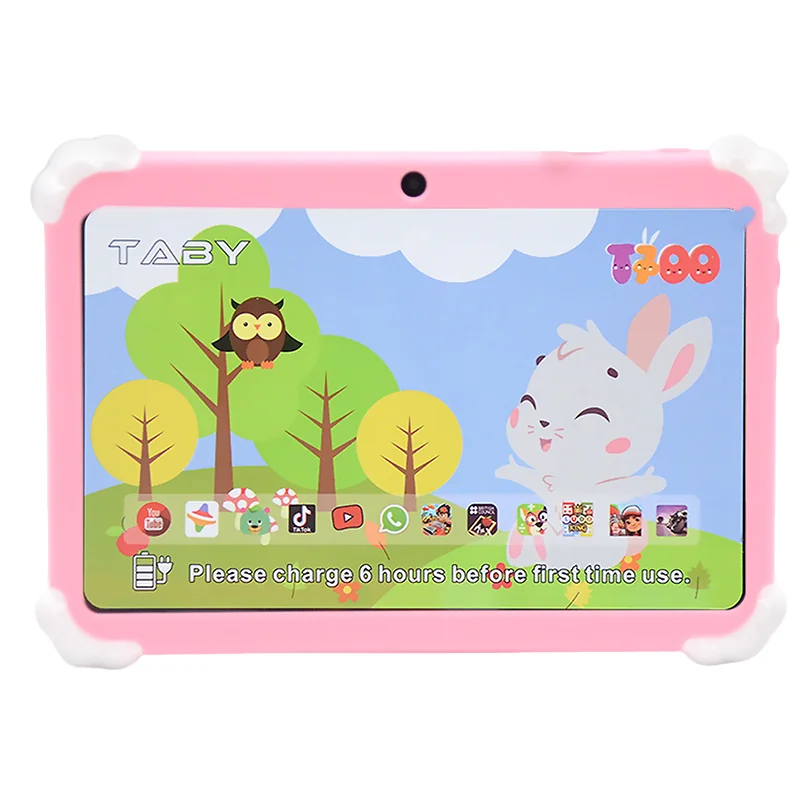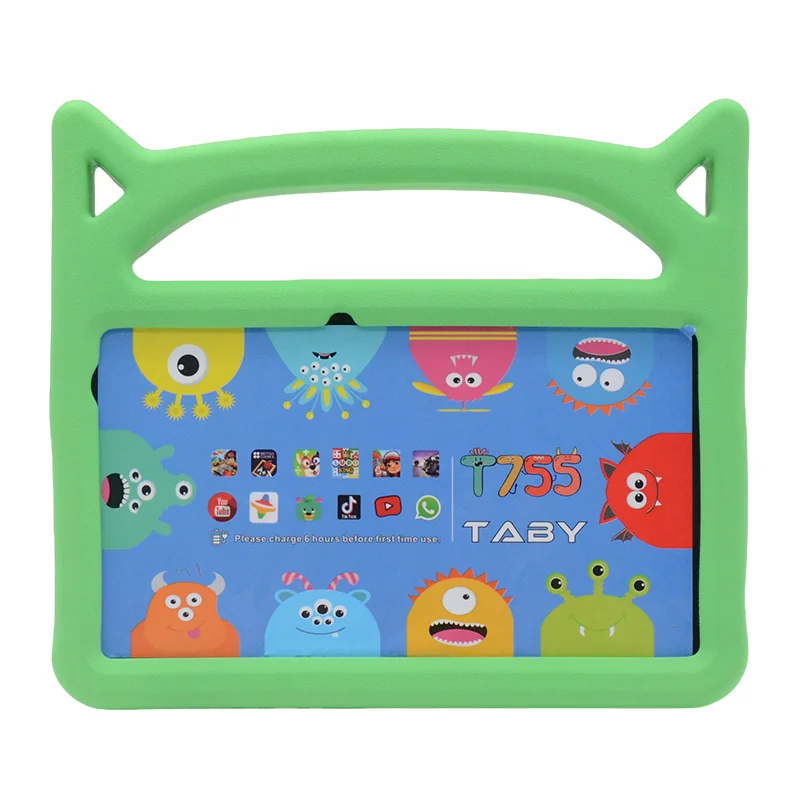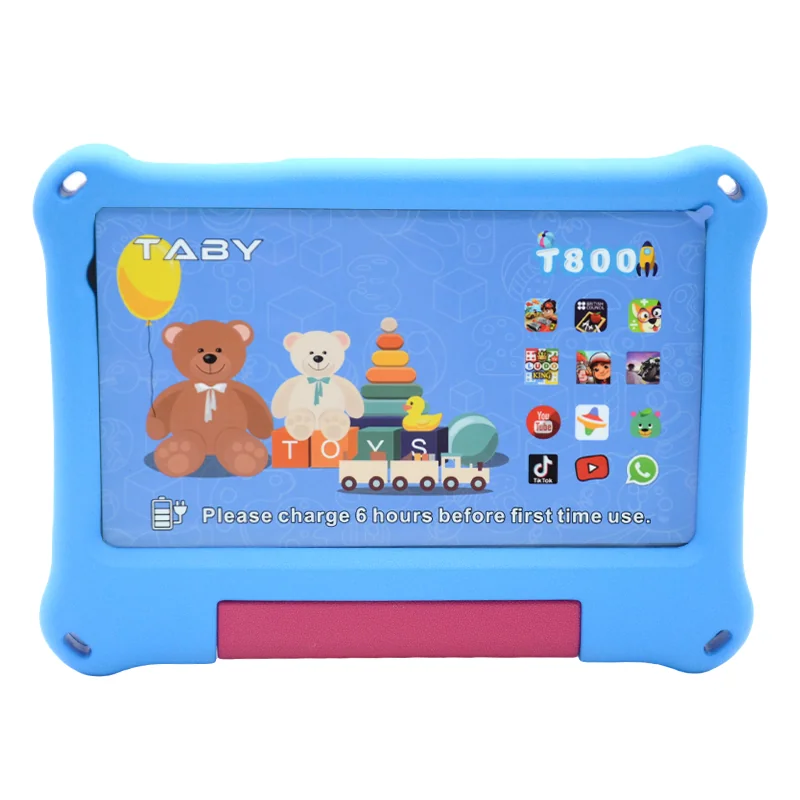

The Educational Tablet Market: Why 2026 Is the Tipping Point
The global educational tablet market is projected to reach $24.6 billion by 2026, growing at a CAGR of 12.3% according to Grand View Research, driven by permanent post-COVID digital learning mandates, new compliance standards like the EU’s Digital Decade targets, and a massive school hardware replacement cycle hitting its peak. For B2B buyers—OEMs, distributors, and procurement managers—2026 represents the optimal window to secure supply chains, lock in favorable pricing before peak demand, and align with converging certification requirements that will define the next generation of classroom devices.
Three forces are converging to make 2026 the tipping point. First, the permanence of hybrid and digital-first learning models, accelerated by post-COVID budgets, means school districts globally are committing to one-to-one device programs. Second, new regulatory frameworks—such as the EU’s Digital Decade policy requiring that 100% of European schools have gigabit connectivity and digital-ready classrooms by 2030—are driving procurement timelines that begin in early 2026. Third, the average K-12 tablet deployed in 2020–2021 is now reaching end-of-life, triggering a replacement cycle of an estimated 15–18 million units across North America and Europe alone.
Market Growth Data: Numbers Every Buyer Should Know
Understanding the raw market numbers is essential for investment timing. Grand View Research projects the global kids tablet market will grow from $13.7 billion in 2024 to $24.6 billion by 2026, a compound annual growth rate (CAGR) of 12.3%. IDC’s Worldwide Quarterly Tablet Tracker reinforces this, noting that education-sector tablet shipments grew 8.9% year-over-year in Q2 2025, the fastest among all commercial segments.
Regionally, the growth story is differentiated:
- North America: The US K-12 market alone accounts for 32% of global education tablet spend, driven by E-Rate program modernization and state-level digital equity initiatives. The FCC’s 2025 E-Rate expansion now covers tablet purchases for off-campus use, removing a significant procurement barrier.
- Europe: The EU Digital Decade targets have triggered member-state tenders for 6 million devices by 2027, with 2026 being the first major procurement year. Germany, France, and Poland are the fastest-growing markets.
- Asia-Pacific: China’s “Smart Education” initiative and India’s National Education Policy 2020 are driving deployments of over 3 million tablets annually. Southeast Asian markets (Thailand, Vietnam, Indonesia) are aligning with international safety standards like EN71 and ASTM F963, creating a unified compliance environment for importers.
- MENA and Latin America: Governments in Saudi Arabia, the UAE, and Brazil are announcing national EdTech programs with mandatory parental control features, directly tying regulatory compliance to procurement eligibility.
A critical trend: the surge in demand for devices with built-in parental control features. Statista’s 2025 B2B tablet survey found that 73% of school district procurement RFPs now include “hardware-level content filtering and usage management” as a mandatory requirement—up from 41% in 2022. This has shifted the market away from generic tablets toward purpose-built educational devices.
Compliance as a Growth Catalyst: What Changes in 2026
Compliance is not a checkbox—it is a market gate. In 2026, three major regulatory shifts will directly impact tablet procurement for educational settings:
What is the projected growth rate for the kids tablet market through 2026?
The global kids tablet market is projected to grow at a CAGR of 12.3% between 2024 and 2026, reaching $24.6 billion, driven by post-COVID digital learning permanence, school hardware replacement cycles, and new compliance mandates.
Why is 2026 specifically the year to invest in educational tablets?
2026 is the optimal investment year because three timelines converge: major school districts enter their 2020-device replacement cycle, the EU Digital Decade targets trigger first procurement rounds, and updated compliance standards (EN71, ASTM F963, US FTC COPPA updates) create a unified regulatory environment that reduces integration risk for buyer specifications.
Why is 2026 specifically the year to invest in educational tablets?
2026 is the optimal investment year because three timelines converge: major school districts enter their 2020-device replacement cycle, the EU Digital Decade targets trigger first procurement rounds, and updated compliance standards (EN71, ASTM F963, US FTC COPPA updates) create a unified regulatory environment that reduces integration risk for buyer specifications.
What compliance standards must educational tablets meet in 2026?
Educational tablets sold in 2026 must meet a layered set of standards: electrical safety (IEC 60950 / IEC 62368-1), toy safety for younger children (EN71-1/2/3, ASTM F963), radio and wireless compliance (FCC Part 15, RED 2014/53/EU), chemical restrictions (RoHS, REACH), and increasingly, data privacy mandates (GDPR for Europe, COPPA updates from the US FTC). Tablets intended for children under 14 also require explicit parental control features in some jurisdictions.
How do parental control features affect market demand?
Parental control features are no longer optional differentiators—they are market prerequisites. Statista reports that 73% of school district RFPs now mandate hardware-level content filtering and usage management. In the EU, the updated Digital Services Act (DSA) requires platforms and devices accessible to minors to implement age-appropriate safety measures by default, which directly translates to OEM-level parental control integration.
What are the biggest risks when bulk-purchasing educational tablets?
The top five risks are: (1) obsolescence from non-modular designs, (2) compliance gaps in certification coverage (e.g., missing EN71 for younger-age deployments), (3) supplier instability with MOQ mismatches, (4) lead time variability during peak procurement windows (Q2–Q3 2026), and (5) aftersales support gaps. A de-risk checklist should include verifying all applicable certifications, confirming a minimum 2-year warranty, auditing the supplier’s quality control process, and staging a pilot deployment before full rollout.
These regulatory shifts make early 2026 the safe procurement window. Waiting until late 2026 could mean competing for certified units against every district running the same replacement cycle.
Educational Tablet Use Cases: Where the Demand Is Real
Scenario 1: Large-Scale School District Rollouts (1,000+ Units)
In Q3 2025, a mid-sized US school district deployed 1,200 tablets across 14 elementary schools. The key requirements were a minimum IP54 rating for classroom durability, a drop height of at least 1.2 meters onto concrete, and a battery life that could survive a full school day (7+ hours of mixed use). The district cited supplier reliability and the ability to pre-install a standard software image across all units as the deciding factors. B2B buyers should prioritize tablets with modular components (replaceable batteries, serviceable ports) to extend lifecycle to 4–5 years.
Scenario 2: Children’s Hospitals and Therapy Centers
Specialized environments introduce unique requirements. A children’s hospital network in Germany procured 650 tablets for patient rooms and therapy areas, requiring antimicrobial enclosures (EPA-registered silver-ion coatings), compliance with medical device directives (IEC 60601 for electrical safety near patients), and zero-glare screens for use under bright clinical lighting. For these deployments, certification coverage across both IEC 60950 and EN71 was non-negotiable.
Scenario 3: Retail Edutainment Kiosks
Interactive learning kiosks in retail or museum environments require tamper-proof mounting, vandal-resistant screens (IK07 or higher), and 24/7 operational reliability. Deployment volumes are smaller (50–200 units) but margins are higher, and the certification requirement often includes UL listing and ADA compliance for public accessibility.
Comparing Specs: What to Look for in a Wholesale Educational Tablet
| Specification | Entry-Level | Mid-Range | Enterprise Grade |
|---|---|---|---|
| Processor | Quad-core, 1.8 GHz | Octa-core, 2.0 GHz | Octa-core, 2.3 GHz |
| RAM / Storage | 2 GB / 32 GB | 4 GB / 64 GB | 6 GB / 128 GB |
| Display Resolution | 1280 x 800 (WXGA) | 1920 x 1200 (FHD) | 1920 x 1200 (FHD, anti-glare) |
| Battery Life (mixed use) | 5–6 hours | 6–8 hours | 8–10 hours |
| Ruggedness Rating | IP52, 0.8m drop | IP54, 1.2m drop | IP65, 1.5m drop |
| Certifications (core) | CE, FCC, RoHS | CE, FCC, RoHS, EN71 | CE, FCC, RoHS, EN71, ASTM F963, IEC 60950 |
| Parental Control | App-level | OS-level | Hardware-level + remote management |
A best-in-class threshold for 2026 educational tablet procurement should target at least the mid-range column: octa-core processor, 4 GB RAM, full-HD display, 6+ hour battery life, IP54 ruggedness, and full safety certification coverage. Hardware-level parental control is rapidly becoming a baseline requirement, not a premium option.
Risks to Avoid When Investing in Educational Tablets
Obsolescence risk. Tablets with non-replaceable batteries or soldered storage create a 2–3 year lifespan ceiling. Prioritize modular designs where batteries, charging ports, and displays are serviceable.
Compliance risk. Certifications must be current and jurisdiction-specific. A tablet certified to CE and FCC may lack the EN71 and ASTM F963 compliance required for children’s educational use. Verify that the supplier’s certification list matches your target market’s full regulatory landscape. Our comprehensive certification checklist details the requirements for each region.
Supplier risk. Minimum order quantities (MOQs), lead times, and aftersales support vary significantly. A supplier with a proven track record of delivering 500+ unit deployments on schedule is worth more than a 10% price discount from an unproven vendor. Early 2026 ordering—ideally Q1—avoids the Q2–Q3 peak that can stretch lead times from 6–8 weeks to 14–18 weeks.
Screen time and transparency. Responsible procurement acknowledges legitimate concerns about children’s screen time. The best approach is to specify tablets with eye protection technology—such as low blue light modes, DC dimming, or e-paper-style displays—and to implement usage management at the hardware level. We offer a 2-year warranty and a 30-day return policy on all OEM educational tablet orders, ensuring buyers can validate performance before full-scale deployment.
Conclusion: Secure Your Educational Tablet Supply for 2026 Now
The 2026 educational tablet market represents a rare convergence of demand drivers: a generational hardware replacement cycle, regulatory alignment across major markets, and a maturing supply base capable of delivering compliant, feature-rich devices at scale. Early investment—committing to procurement in Q1 2026—locks in favorable pricing, guaranteed certification coverage, and reliable lead times before the peak ordering window of Q2–Q3.
The districts, hospitals, and EdTech organizations that act now will have their pick of certified devices, dedicated integration support, and supply chain stability. Those who wait will face constrained availability, inflated pricing, and rushed compliance checks.
Request a wholesale kids tablet quote to secure your inventory ahead of the 2026 demand surge and ensure your educational tablet program is built on certified, reliable hardware with the parental control and ruggedness features that modern learning environments require.