For B2B buyers sourcing kids tablets in 2026, eye-protection technologies fall into four categories with clear cost/performance trade-offs. DC Dimming ($2–$5 cost adder per unit) eliminates PWM flicker at the lowest hardware cost and is the baseline entry point. Low Blue Light ($3–$8 adder, TÜV Rheinland certification available) reduces 400–455nm wavelength output by 30–60% via software filter or hardware chip — the most common spec in mass-market tablets. Soft-Glow / Paper-Like Screen ($8–$20 adder) adds a nano-matte etched glass layer that diffuses direct light, reducing specular reflectance from ~5% to below 1.2%. E-Paper (E-Ink) Screen ($50+ adder, limited to B&W or low-refresh color) delivers zero blue light and zero flicker but cannot run mainstream Android apps at acceptable framerates. Most OEM buyers opt for hardware-level low blue light + DC dimming as the price-to-performance sweet spot for volume orders (MOQ 500+).
The B2B Buyer’s Frame: Why Eye Protection Is Now a Deal-Breaker
In 2025, China’s National Health Commission reported that the myopia rate among children aged 6–18 reached 53.6%, triggering stricter mandatory standards for digital learning devices (GB 40070-2025, effective June 2026). In the EU, the updated EN 62471 (photobiological safety) and the upcoming EU Digital Services Act child-safety addenda both push screen-time harm into compliance territory — not just marketing copy.
For a B2B buyer, the question is no longer “does it have eye protection?” but “which eye protection technology do my target market regulations require, and at what MOQ/cost adder?”
The Four Technologies — Head-to-Head
| Technology | How It Works | Cost Adder (per unit, MOQ 1000) | Certification Available? | Best For | Main Limitation |
|---|---|---|---|---|---|
| DC Dimming | Constant-current backlight drive — eliminates PWM flicker entirely | $2–$5 | None specific (flicker-free claim) | Volume OEM models baseline | Does not reduce blue light emission |
| Low Blue Light (Hardware) | Spectrum-shifted LED backlight (460nm peak shifted to 465nm+) | $5–$12 | TÜV Rheinland Low Blue Light (validated per model, ~$2,000 per test) | EU/US retail, school bids | Slight yellow shift at uncalibrated color temp |
| Soft-Glow / Paper-Like (AG+AR) | Anti-glare etched glass + anti-reflection AR coating, reduces diffuse reflectance | $8–$20 | IEC 62679-5 (optical performance only) | Premium lines, classroom deployments with overhead lighting | 10–15% brightness loss; not available below 8″ screens |
| E-Paper / E-Ink Screen | Bistable reflective display, zero backlight, zero blue light | $50–$90 | N/A (inherently safe) | Reading-only devices, special education needs | No Google Play / GMS, B&W only (or very slow color), >10ms response |
Decision Matrix: Which Configuration for Which Market?
| Target Market | Recommended Combo | Estimated Cost Adder | Rationale |
|---|---|---|---|
| EU — School contract bid | DC Dimming + Hardware LBL + Soft-Glow | $15–$25 | TÜV certification is often a tender requirement; soft-glow reduces glare in brightly-lit classrooms |
| US — Amazon/e-tail retail | DC Dimming + Hardware LBL | $7–$15 | CPSC may adopt ANSI STM for flicker in 2027; LBL covers FTC “health” claims |
| SE Asia / LATAM — Volume price-tier | DC Dimming + Software LBL filter | $3–$6 | Cost sensitive; software filter (free) is acceptable if marketed as “eye-care mode” |
| Middle East — Premium private label | DC Dimming + Hardware LBL + Soft-Glow | $12–$20 | High ambient-light environments (outdoor use); AR coating significantly improves readability |
Risk & De-Risking: What OEM Buyers Overlook
1. “TÜV Low Blue Light is per model, not per platform”
Each screen size + panel supplier combination needs a separate TÜV test ($1,500–$2,500, 4–6 weeks). If you plan 3 models (7″, 8″, 10″), budget ~$6,000 for certification alone. Wintouch can pre-certify a base panel and document the delta for derivative sizes — ask about our Certification-Bundled OEM program.
2. Software LBL ≠ Hardware LBL
Google Play’s Android 14+ Eye Comfort Suite (software overlay) reduces blue light by ~22% on average, but only hardware-level LBL meets the TÜV threshold (>30% reduction at 400–455nm). Labeling software LBL as “TÜV-certified” is a CPSC/FTC red line — keep the claims accurate in product listings.
3. Soft-Glow hurts camera quality
The nano-etched AG layer on the front glass also degrades the front-facing camera (2–4 MP typical on kids tablets) by ~15–20% sharpness. If video calling is a core use case (remote learning), consider a partial-AG design that leaves a camera cutout un-etched.
4. DC Dimming may introduce audible coil whine
Inexpensive DC dimming drivers (boost-inductor topology) can produce a 3–5 kHz whine audible to children under 12. Specify audio-noise-free DC dimming in your sourcing spec — Wintouch’s K-series boards (K77PE, K81PRO-A2) have this baked in since 2024 Q3.
How Wintouch / LIONTEK Stack Up
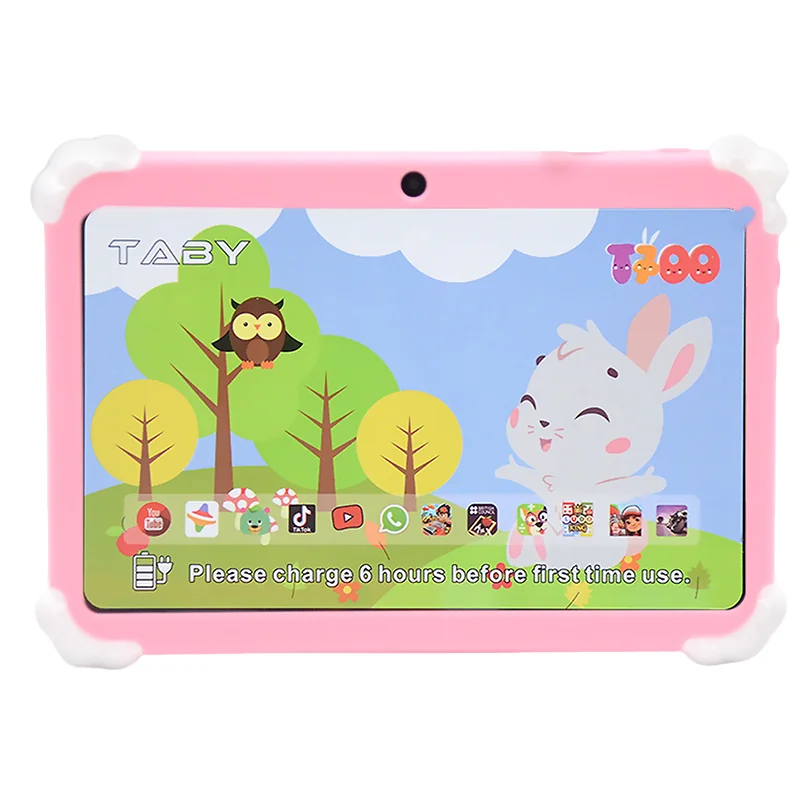
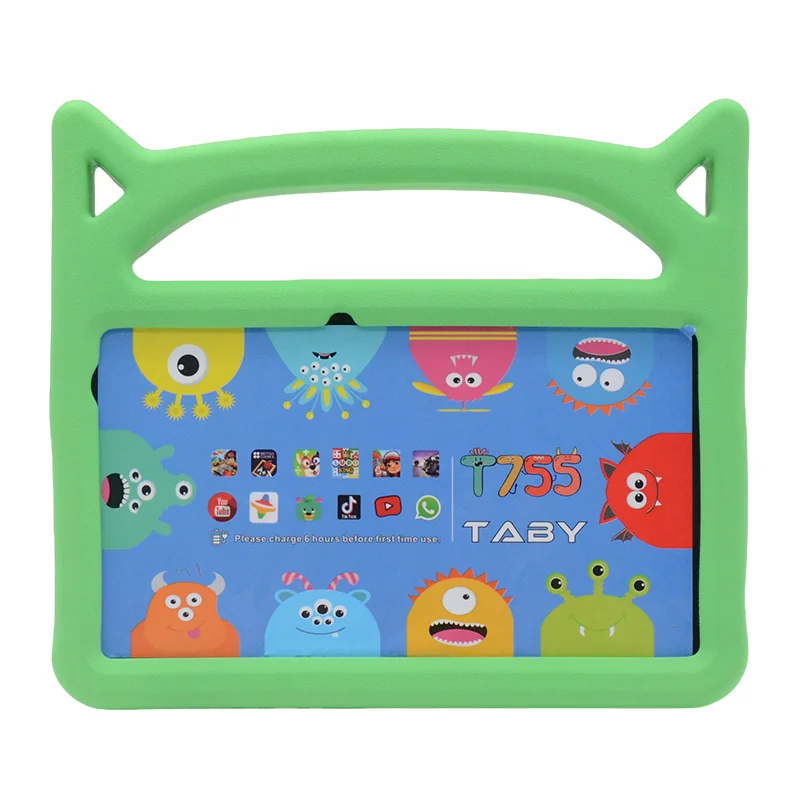
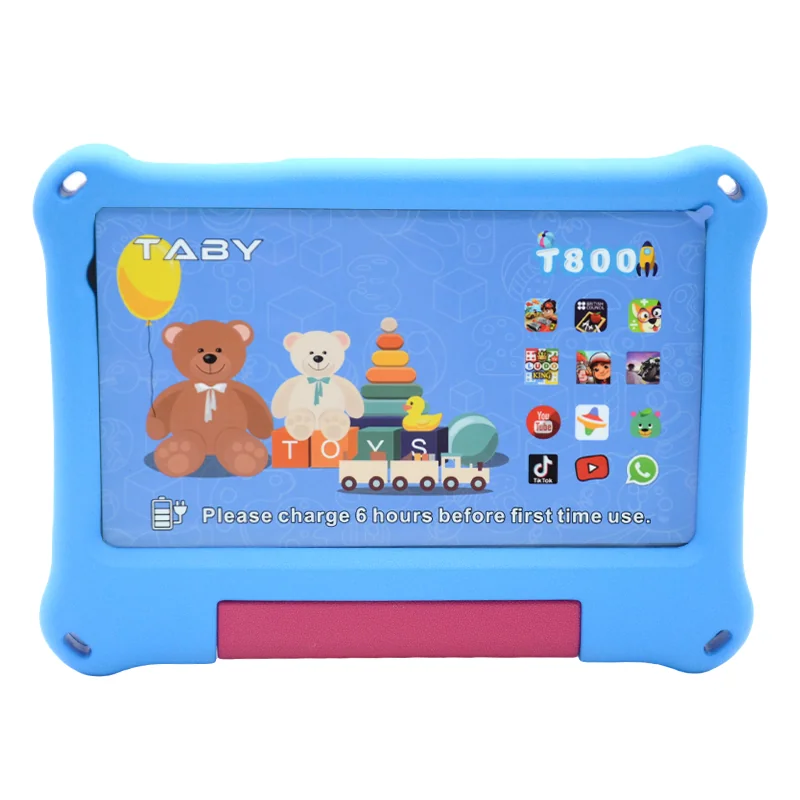
As an OEM factory shipping 18.9M+ units since 2009, we offer all four eye-protection tiers across our K-Series and Bear/TABY lines:
- Baseline: K77 (DC dimming + software LBL, no adder on MOQ 500+)
- Mid-tier: K81PRO (HW LBL + DC dimming, ~$7 adder, TÜV ready)
- Premium: K88T (HW LBL + Soft-Glow AG/AR, ~$18 adder, 1.2% reflectance max)
- Custom: Full spec-sheet for E-Paper integration available on NRE projects (MOQ 3000, 14-week lead time)
Next Step
Not sure which eye-protection tier fits your target market? Request a compliance-fit assessment — we’ll map your intended retail countries to the right screen + certification combo and give you a per-unit cost additive within 48 hours. Free for bona fide OEM/ODM inquiries.
👉 View our kids tablet lineup | Request OEM quote