Which certifications do kids tablets need for global markets in 2026?
For a kids tablet to be legally sold in major global markets, the essential certifications are: CE (EU), FCC (USA), UKCA (UK), and GMS (Google Mobile Services — required if shipping with Google Play pre-installed). Additionally, a CoC (Children’s Product Certificate) is mandated by the US CPSC for any product designed for children 12 and under. As of 2026, the UK continues to recognize CE marking for 21 product categories (including electronics and toys), so dual CE + UKCA marking is recommended but not yet mandatory. The full certification cycle typically spans 4 to 10 weeks and costs between $8,000 and $25,000 per model, depending on wireless variants and battery safety testing requirements.
Why this matters to your bottom line
If you're sourcing kids tablets from China under your own brand, the biggest hidden risk isn't hardware failure — it's arriving at customs without the right paperwork. A single detained shipment can cost $5,000–$15,000 in storage, demurrage, and rescheduling. Worse, selling uncertified children's electronics in the EU or US can trigger product recalls, fines, and retail delisting.
This guide maps the five certifications every kids tablet buyer needs to understand — and what they actually cost in time and money — so you can build compliance into your sourcing contract, not bolt it on afterward.
Certification at a glance
| Certification | Market | Scope | Typical Cost (per model) | Timeline | Key Standard |
|---|---|---|---|---|---|
| CE (CE marking) | EU + EEA | EMC, Safety (LVD), RF, RoHS, Toy Safety | $3,000–$6,000 | 3–5 weeks | EN 55032, EN 60950/62368, EN 71 (if toys) |
| FCC (FCC SDoC) | USA | EMC, RF exposure (SAR for body-worn) | $2,500–$5,000 | 2–4 weeks | FCC Part 15B, Part 15C |
| UKCA | UK (England, Scotland, Wales) | Same scope as CE (EMC, Safety, RF) | $1,500–$3,000 | 2–3 weeks | BS EN equivalents |
| GMS (Google Mobile Services) | Global (Play Store devices) | Android compatibility + Google app suite | ~$10,000 per model | 6–12 weeks | Google CTS/ATS/GTS |
| CoC (Children's Product Certificate) | USA | Lead, phthalates, mechanical hazards, flammability | $800–$2,000 (testing) | 1–2 weeks | CPSIA (16 CFR Part 1303, etc.) |
Note: Costs are estimates from third-party labs (SGS, TÜV, Bureau Veritas) as of mid-2026. Actual quotes depend on wireless band count, battery chemistry, and whether you bundle testing.
1. CE Marking — Your EU market access key
Every kids tablet sold in the EU must carry CE marking. It's not a single certificate but a manufacturer's declaration backed by testing against multiple directives:
- EMC Directive 2014/30/EU — ensures the tablet doesn't interfere with other electronics
- Low Voltage Directive (LVD) 2014/35/EU — electrical safety
- RED Directive 2014/53/EU — radio performance (Wi-Fi, BT, 4G/5G)
- RoHS Directive 2011/65/EU — restricted hazardous substances
- Toy Safety Directive 2009/48/EC — applies if the tablet is marketed as a toy, or includes toy accessories
2026 update: The new EU Toy Safety Regulation (EU 2025/2509) was published in December 2025, replacing the current Toy Safety Directive after a 4-year transition period. Digital products (tablets with pre-loaded educational content) now face stricter scrutiny on digital safety risks — something most OEMs haven't accounted for yet.
Pro tip: Always specify CE + RED compliance in your OEM contract. A factory that sources a different Wi-Fi module without retesting can invalidate your entire CE declaration.
2. FCC Certification — Non-negotiable for the US market
The US Federal Communications Commission requires FCC Part 15 compliance for any device with digital circuitry and wireless transmission. Kids tablets are subject to:
- FCC Part 15B (unintentional radiator) — covers the tablet's digital emissions
- FCC Part 15C (intentional radiator) — covers Wi-Fi, BT
- FCC SAR testing (if body-worn or held against the head) — though children's tablets typically operate at arm's length, some lab protocols still recommend SAR data for regulatory completeness
The process is a Supplier's Declaration of Conformity (SDoC) for Part 15B, and a certification (grant) from an FCC-recognized TCB for Part 15C.
Many importers also voluntarily test to CPSIA (Consumer Product Safety Improvement Act) standards — lead content, phthalates, and small-parts hazards — to satisfy retailer insurance requirements even when the CoC is not strictly mandated.
3. UKCA — The post-Brexit wildcard
The UKCA (UK Conformity Assessed) marking was originally set to become fully mandatory in 2025, but the UK government has indefinitely extended recognition of CE marking for 21 product regulations, including:
- Electromagnetic Compatibility Regulations 2016
- Electrical Equipment (Safety) Regulations 2016
- Radio Equipment Regulations 2017
- Restriction of the Use of Certain Hazardous Substances Regulations 2012
What this means in practice: You can sell a CE-marked kids tablet in the UK today with no UKCA mark. However, major UK retailers (John Lewis, Argos, Smyths) increasingly list UKCA as a procurement requirement in their supplier onboarding docs — even if the law doesn't demand it yet. If you're targeting the UK specifically, dual CE + UKCA costs only ~$1,500 extra and eliminates a future compliance risk.
4. GMS Certification — The Google Play requirement
If your kids tablet ships with Google Play Store, YouTube Kids, or any Google app pre-installed, it must pass Google Mobile Services (GMS) certification. This is the most time-consuming and expensive certification on the list:
- Cost: ~$10,000 per model — covers Google's license fee + compliance lab costs
- Timeline: 6–12 weeks — most of which is waiting for Google's CTS (Compatibility Test Suite) results
- Requirements: Android must be properly licensed (Google requires royalty-free Android but strict compatibility enforcement)
- Post-certification: Every software OTA update must be re-tested or at minimum declared compatible
Cost-saving alternative: If your target price point doesn't support GMS, ship with an AOSP (Android Open Source Project) build + third-party app store (Amazon Appstore, Aptoide, or a curated educational content launcher). This is common for sub-$50 kids tablets and education-sector bulk orders.
5. CoC (Children's Product Certificate) — US-specific child safety
Under the US CPSIA, any children's product (intended for kids 12 and under) must have a Children's Product Certificate (CoC) based on third-party testing. For kids tablets, the testing covers:
- Lead content (≤ 100 ppm in accessible substrate)
- Phthalates (≤ 0.1% for 8 restricted phthalates)
- Small parts (16 CFR 1501 — no detachable components that fit into a choke tube)
- Flammability (16 CFR 1610 — fabric components like carrying cases)
- Battery safety (UL 1642 / IEC 62133 for lithium cells)
The CoC must be signed by a responsible party (importer or US-based manufacturer's rep) and made available to the CPSC upon request. Selling without a CoC can result in civil penalties of up to $120,000 per violation.
Certification sequencing — Save money by bundling
The five certifications above share overlapping test items. Smart importers sequence them to avoid paying twice for the same lab work:
- Phase 1 (Pre-production): Submit EMC + RF samples for combined CE + FCC testing — most labs run them in parallel at ~30% discount vs separate orders
- Phase 2 (Safety): LVD + CPSIA + battery safety — same sample, same report
- Phase 3 (Post-production): GMS certification — requires final production firmware, can't be done on prototypes
- Phase 4 (Documentation): UKCA DoC + US CoC — paperwork-only, once all test reports are in hand
Common pitfalls — and how to avoid them
| Pitfall | Consequence | Solution |
|---|---|---|
| Assuming the factory's existing report covers your SKU | Different antenna / case material = different RF profile; customs can reject | Require a per-SKU test report in your OEM agreement |
| Shipping GMS samples before Google license is issued | Google can blacklist the IMEI range; no remedy | Get GMS provisional approval before production |
| Using a non-accredited lab | CE DoC is invalid; FCC grant may be revoked | Use only ISO 17025 labs (SGS, TÜV Rheinland, Intertek, Bureau Veritas) |
| Ignoring packaging compliance | EU requires WEEE symbol, UK requires UKCA/CE marking on the box | Include compliance labeling in packaging artwork review |
| Skipping SAR testing for Wi-Fi 6E / 6 GHz bands | FCC can fine up to $20,000/day | Verify if your tablet transmits on 6 GHz; if yes, add SAR testing |
Bottom line for buyers
Certification is not a cost center — it's your market access pass. Budget $12,000–$25,000 and 8–10 weeks for a full compliance package (CE + FCC + UKCA + GMS + CoC) for a standard Wi-Fi-only kids tablet. Add $3,000–$5,000 and 2 weeks for each cellular variant (LTE/5G).
Most importantly: write certification requirements into your sourcing contract upfront. The factory should provide test reports, not verbal assurances. A 'we've always done it this way' factory is a red flag.
Next step: Get a compliance-ready kids tablet quote
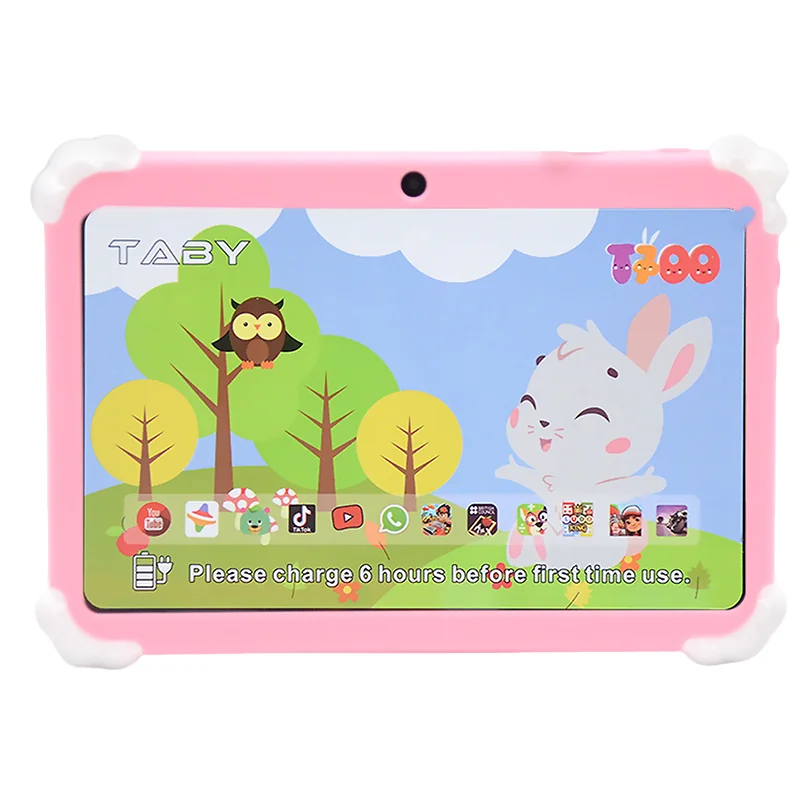
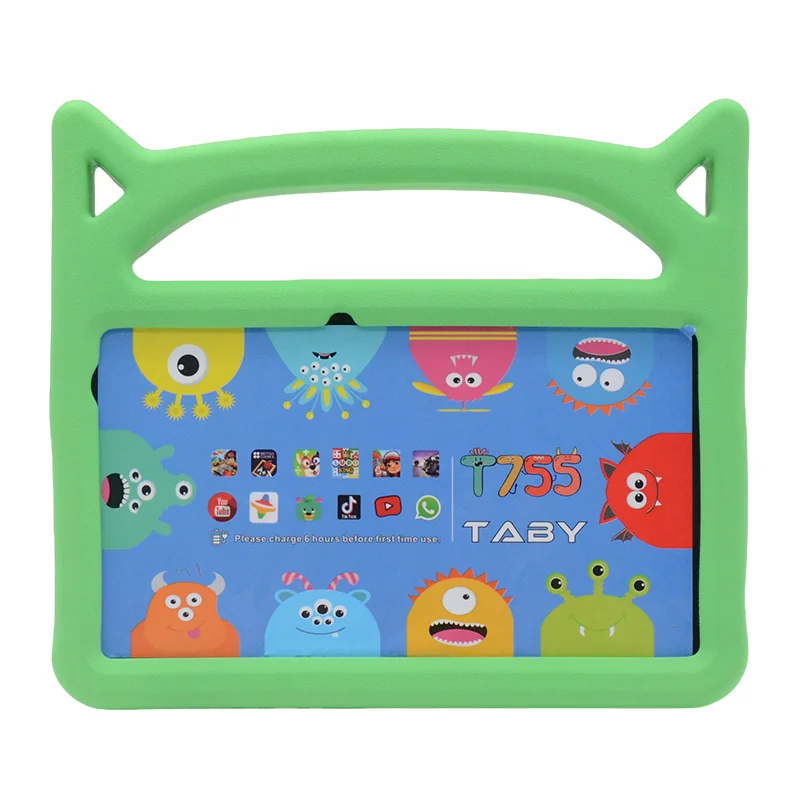
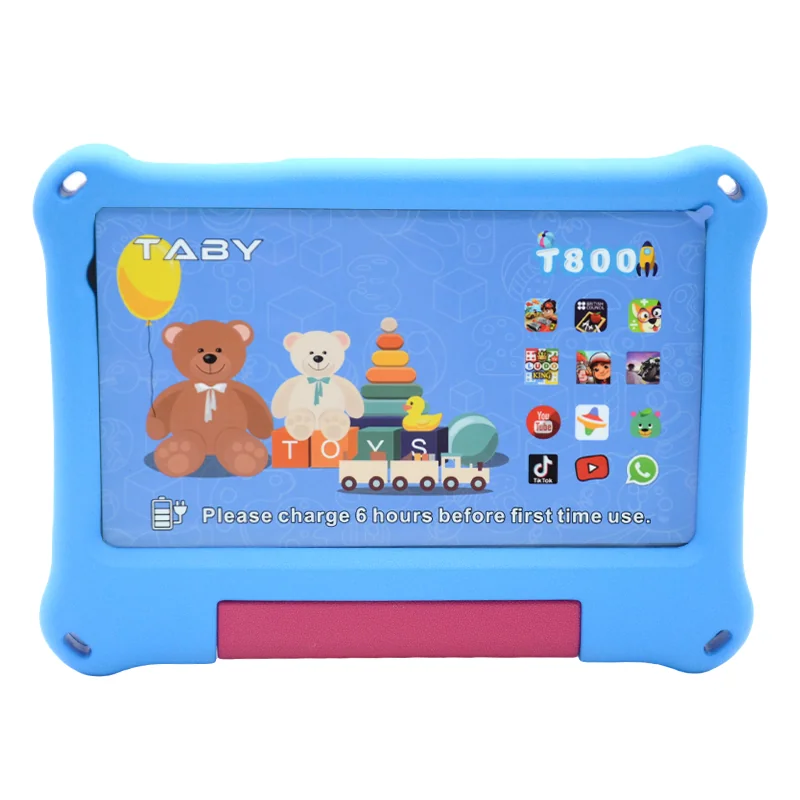
All Wintouch kids tablets — from the 7-inch T700 to the 10.1-inch T1000 — ship with CE, FCC, and ROHS test reports as standard. GMS and UKCA certifications are available as pre-configured options per model.
Request a certification-ready quote → Tell us your target markets and we'll include the exact certification package in your proforma invoice, with test reports you can submit to customs or retailers directly.