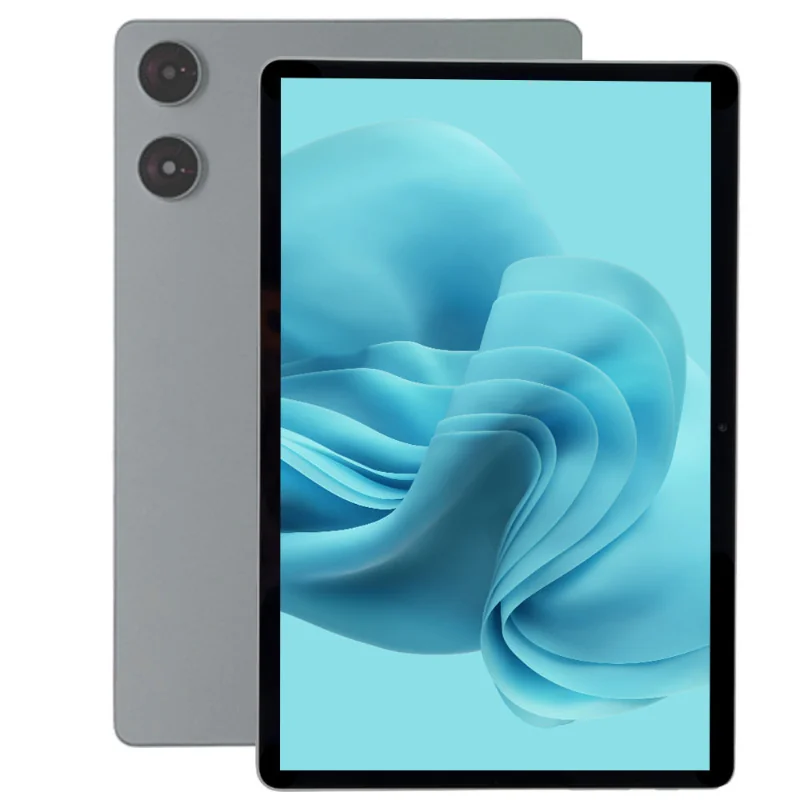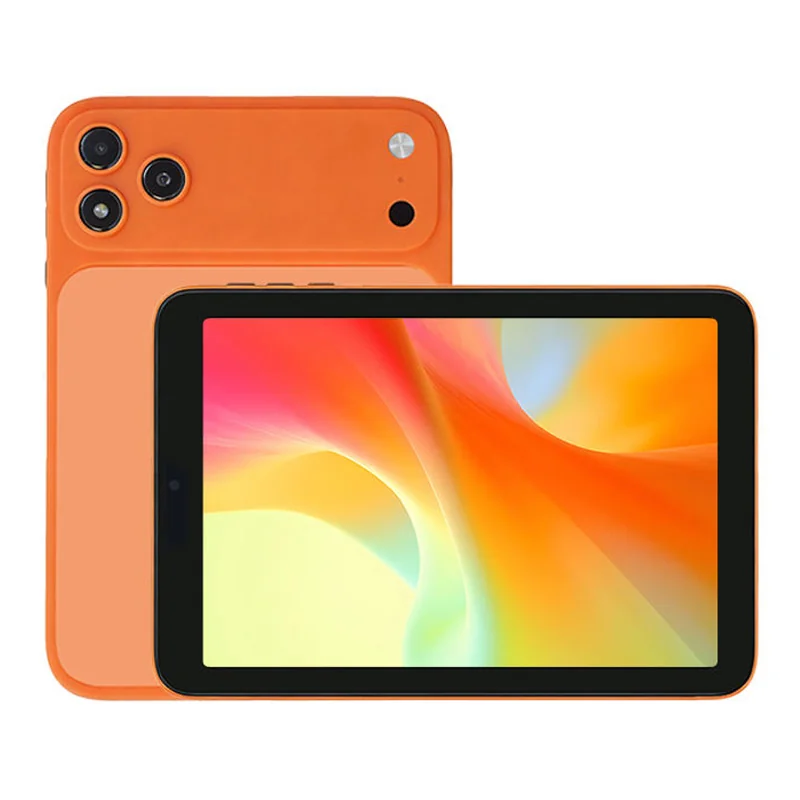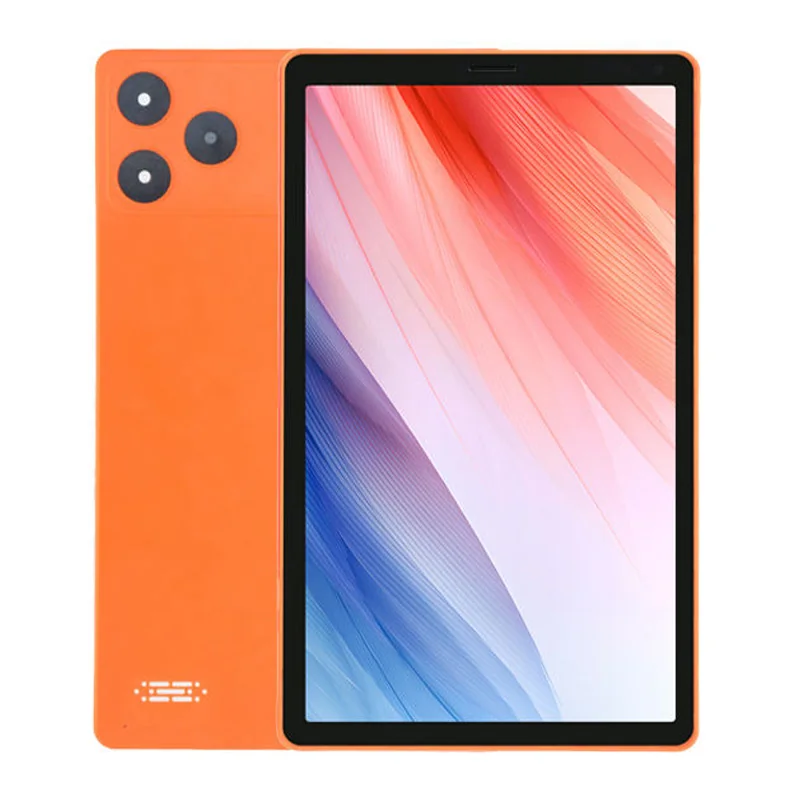
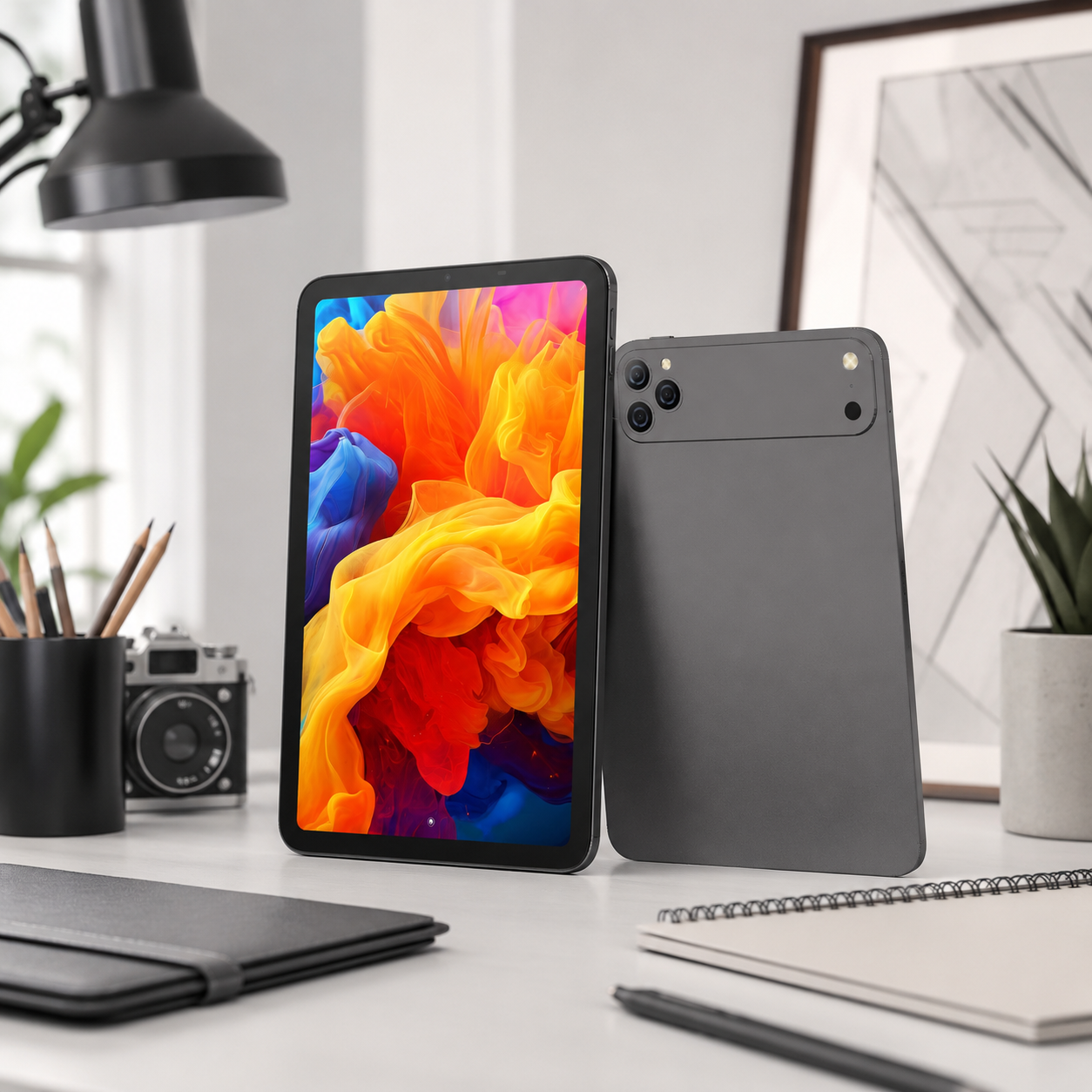
Tablets are a practical mobile POS platform when the buyer validates the complete payment solution—not just the screen and processor. The right decision depends on the payment reader, POS application, acquirer, connectivity, device-management controls, mounting or drop protection, and support plan. There is no universal tablet market-share or total-cost saving that applies to every deployment.
When does a tablet make sense for mobile POS?
A tablet is usually a strong candidate when staff need a larger, touch-friendly interface that can move between a counter, table, queue or temporary sales area. It can also simplify training when the same Android application is used across several store formats. A dedicated terminal may still be preferable where the payment device, receipt printer, scanner and enclosure must be certified and supported as a tightly integrated appliance.
| Decision factor | Tablet-based POS | Dedicated terminal |
|---|---|---|
| Application flexibility | Suitable for Android or web POS workflows and multiple business apps | Usually optimized for a narrower certified workflow |
| Mobility | Can move between service points with a protective case or handheld mount | Varies by terminal design and accessory ecosystem |
| Peripheral integration | Must be tested with the selected reader, scanner, printer, dock and charging plan | Often sold as a pre-integrated hardware set |
| Lifecycle control | Requires a device-management, update and replacement policy | Usually governed by the terminal vendor or payment provider |
| Cost comparison | Calculate the complete deployed configuration and support effort | Compare the same contract period, accessories and service level |
A tablet alone does not make a payment solution compliant
Payment security and acceptance requirements apply to the overall solution. Buyers should confirm the POS application, payment reader, payment service provider or acquirer, network design, account permissions and operating procedures for each destination market. The PCI Security Standards Council and EMVCo publish primary information about relevant payment-security and acceptance frameworks. Use those sources and the written requirements from your acquirer; do not treat a generic Android tablet specification as proof of payment certification.
How should a buyer compare total cost?
Request itemized quotes for the same deployment period and workload. Include the tablet or terminal, payment reader, protective enclosure, dock, charger, spare pool, mobile-device-management license, application support, connectivity, installation, staff training, repair logistics and expected replacement cycle. Avoid percentage-savings claims unless the supplier provides the assumptions and evidence behind them.
- Define the transaction workflow, environment and required peripherals.
- Build a bill of materials for each candidate configuration.
- Price licenses, support and replacements over the same contract period.
- Run a controlled pilot and record transaction completion, battery performance, connectivity failures and support tickets.
- Approve rollout only after the pilot meets the buyer's own acceptance thresholds.
What should be tested in a mobile POS pilot?
- Payment flow: successful, declined, refund and offline scenarios supported by the chosen provider.
- Peripheral reliability: reader, scanner, printer, cash drawer, dock and charging behavior.
- Network resilience: store Wi-Fi, cellular fallback and reconnection behavior.
- Physical fit: screen visibility, one-handed use, counter stability, drops, heat and cleaning procedure.
- Fleet controls: enrollment, kiosk mode, app updates, remote support, device lock and user permissions. Android Enterprise provides primary platform guidance.
- Serviceability: spare-device process, repair turnaround and data-removal procedure.
What should an OEM tablet quotation confirm?
The quotation should identify the exact model and bill of materials, Android build, Google Mobile Services status where relevant, memory and storage, wireless configuration, required ports, accessory set, branding, firmware controls, packaging, test scope and destination-market documents. It should also distinguish evaluation units from customized samples and mass production.
Wintouch's standard published warranty is 12 months from the bill of lading. Final warranty, compliance scope, sample timing and production timing must be confirmed in the signed quotation for the selected SKU. See the POS tablet payment-compliance checklist and compare current business tablet models before requesting a sample.
Buyer conclusion
Choose a tablet for mobile POS only when it improves the verified workflow and the complete deployed solution meets security, payment, support and lifecycle requirements. The defensible business case comes from matched supplier quotes and a documented pilot—not an unsourced market statistic or a universal savings percentage.
Request a model recommendation and pilot quotation with your POS application, payment-reader model, destination market, peripherals and project quantity.