POS Tablet Payment Compliance: 10 Things to Confirm Before You Source Android POS Hardware
Direct Answer: What Determines Whether an Android POS Tablet Can Accept Card Payments?
Card acceptance is not decided by the tablet alone — it is decided by the combination of the secure hardware (PCI PTS-validated terminal or reader), the EMV certification level of that hardware, the payment application, and a per-acquirer, per-country certification. A tablet with a secure keypad and card reader that is PCI PTS validated and EMV Level 1/2 certified can accept chip and contactless payments once it passes the acquirer’s device validation. If any link is missing — no PTS listing, no EMV approval, no point-to-point encryption (P2PE) on the PCI SSC validated list — the terminal will not pass acquirer ADVT/CDET testing and your rollout stalls. This checklist is exactly what you should confirm with the factory before you sign the purchase order.
Why Buyers Get Stuck (and How to De-risk Before You Order)
Most failed POS tablet rollouts in MENA and Southeast Asia are not hardware failures — they are certification failures discovered too late. A buyer orders a nice-looking Android tablet, integrates a reader, ships 500 units — then the acquirer rejects the device because the reader model has no current EMV approval or the P2PE solution isn’t on the PCI SSC validated list. Re-certification is slow and acquirer-specific: each acquirer runs its own validation, and a new market can mean weeks of additional testing. This article turns that risk into a checklist you take to your factory in the first meeting, so the cert gap is closed before you commit to MOQ.
Note on markets: the guidance below centers on acquiring-side requirements that are most stringent in the EU, the UK and MENA/SEA acquiring markets. Regional differences in certification bodies are flagged where they matter. For the market context driving the Windows-to-Android shift, see our deep-dive on the Android POS market migration to 2026.
1. PCI PTS: Is the Card-Reading Hardware Validated?
The PCI PTS (PIN Transaction Security) program validates the physical and logical security of the payment terminal itself — tamper resistance, secure key injection, secure bootloader, and PIN entry security. The authoritative source is the PCI Security Standards Council, which publishes the list of approved PTS devices. Always check that list and confirm the exact model and PTS version your factory proposes, not just “we have a reader” — a lapsed or off-list PTS listing is an instant acquirer rejection.
2. EMV Certification Level: Which Level Is Actually Done?
EMV certification has three levels, and buyers must know which is complete. The standard body is EMVCo:
- Level 1 — hardware/terminal type approval (chip + contactless). Done by the factory or reader maker.
- Level 2 — kernel / payment application certification. Confirms the payment app on the device behaves correctly against EMV specs.
- Level 3 — full integration with a specific acquirer/processor in a specific country. This is the gate that actually lets a merchant accept cards.
A factory may advertise “EMV certified” when it only holds Level 1. Level 3 is per acquirer and per country — the certification you need for Indonesia is not the one for Saudi Arabia. If your target market is not on the factory’s Level 3 list, ask who runs certification there and how long it takes.
3. PCI P2PE / Point-to-Point Encryption: Is It on the Validated List?
Visa requires that point-to-point encryption solutions be either on the PCI SSC validated P2PE list or independently validated. Confirm with your factory which P2PE provider their tablet is integrated with, and that provider’s validation status — this is a common hidden gap that surfaces only when the acquirer audits the solution before go-live.
4. Acquirer Device Validation (ADVT / CDET / VpTT)
For Visa specifically, chip terminals must pass the Acquirer Device Validation Toolkit (ADVT), and contactless devices the Contactless Evaluation Toolkit (CDET) / Visa payWave Test Tool (VpTT), as applicable. Ask the factory which acquirer toolkits their device has already passed, and which acquirers they’ve integrated with — this tells you whether the path to your bank is already paved or still needs testing.
5. The OS and Its Security Lifecycle
An Android POS tablet runs a locked-down Android (often with secure boot and restricted apps). Confirm three things in writing: the OS version (Android 14 or newer is the realistic baseline for POS in 2026), the security-patch commitment (how many years of monthly patches), and whether the build can be locked so only the payment application runs. A general-consumer tablet with unlocked Android and no patch commitment is a red flag for acquirers and can fail device validation outright.
6. Card Reader Integration: Contact, Contactless, and NFC
Confirm the reader supports EMV contact + contactless/NFC (Visa payWave, Mastercard Contactless, and local schemes). In SEA and MENA, contactless penetration is rising fast — a contact-only device limits you to a shrinking share of transactions. Ask for the reader’s own certifications, not just the tablet’s: the reader is a separate validated component and the audit trails both.
7. Which Acquirers / Countries Are Already Certified?
Get a written list: which acquiring banks/processors and which countries the proposed configuration is already Level 3 certified in. If your target market is not on that list, budget for certification time and cost before you scale. This single document is the fastest way to separate a factory that ships compliant POS hardware from one that sells generic tablets.
8. Certificates & Documentation the Factory Should Hand Over
Request the actual certificates at RFQ stage: PCI PTS listing reference, EMV Level 1/2 certificates, P2PE validation reference, RoHS/CE/FCC, and any regional marks (for UK exports, UKCA). If the factory can’t produce these in writing, that’s your answer — move on or budget for a certification project.
9. MOQ, Lead Time, and Customization for Payment Builds
Certification ties to a specific hardware build. Changing the reader, antenna, or even branding can re-open testing. Confirm MOQ, lead time, and — critically — whether customization (logo, pre-loaded payment app, GMS) preserves your existing certifications or triggers re-certification. A factory that has walked a payment build through cert will tell you exactly which changes invalidate it; one that hasn’t will hand-wave.
10. Ask for a Reference Deployment
The fastest de-risk: ask the factory for a named acquirer integration in a market like yours and a reference you can speak to. A factory that has shipped certified POS tablets for a working merchant will say yes and give you a contact. If they can’t name one live deployment, treat the certification claims as unverified until certificates are in hand.
Buyer’s Checklist — Take This to the First Factory Call
| Item | What to confirm |
|---|---|
| PCI PTS device | Exact model + current PTS version on the PCI SSC list |
| EMV level | Level 1 / 2 / 3 — and which acquirer(s) + countries |
| P2PE | Provider + on PCI SSC validated P2PE list |
| Acquirer toolkits | ADVT / CDET / VpTT passed? |
| OS | Locked-down build, Android version, patch commitment |
| Reader | Contact + contactless/NFC, its own certs |
| Docs | Certificates in writing at RFQ stage |
| MOQ / lead time | Does customization preserve certifications? |
FAQ: Android POS Tablet Payment Compliance
Does an Android tablet need a PCI PTS reader to accept card payments?
Yes. Card data must be protected by validated hardware: a PCI PTS-validated terminal or reader, or a P2PE solution on the PCI SSC validated list. The tablet alone cannot make a device card-acceptable; the reader and the encryption chain determine whether the acquirer will approve it.
What is the difference between EMV Level 1, 2 and 3 certification?
Level 1 is hardware/terminal type approval (chip + contactless). Level 2 is payment-application/kernel certification. Level 3 is full integration with a specific acquirer in a specific country. Only Level 3 actually lets a merchant accept cards, and it must be re-done per acquirer and per market.
Can any Android tablet be used as a POS terminal?
Not compliantly. A POS terminal needs a locked-down, patch-supported Android build plus a PCI PTS-validated reader and a validated P2PE encryption solution. A general consumer tablet with unlocked Android will typically fail acquirer device validation.
What is PCI P2PE and why does it matter?
P2PE (Point-to-Point Encryption) encrypts card data at the point of interaction and keeps it encrypted until it reaches the processor. Visa requires the solution to be on the PCI SSC validated P2PE list or independently validated. It is a common hidden gap in POS tablet sourcing.
Which documents should a factory provide before I order POS tablets?
At RFQ stage request: PCI PTS listing reference, EMV Level 1/2 certificates, P2PE validation reference, RoHS/CE/FCC, and regional marks such as UKCA for UK exports. If the factory cannot produce these in writing, treat certification claims as unverified.
Why Work Directly With an OEM Factory for POS Tablets
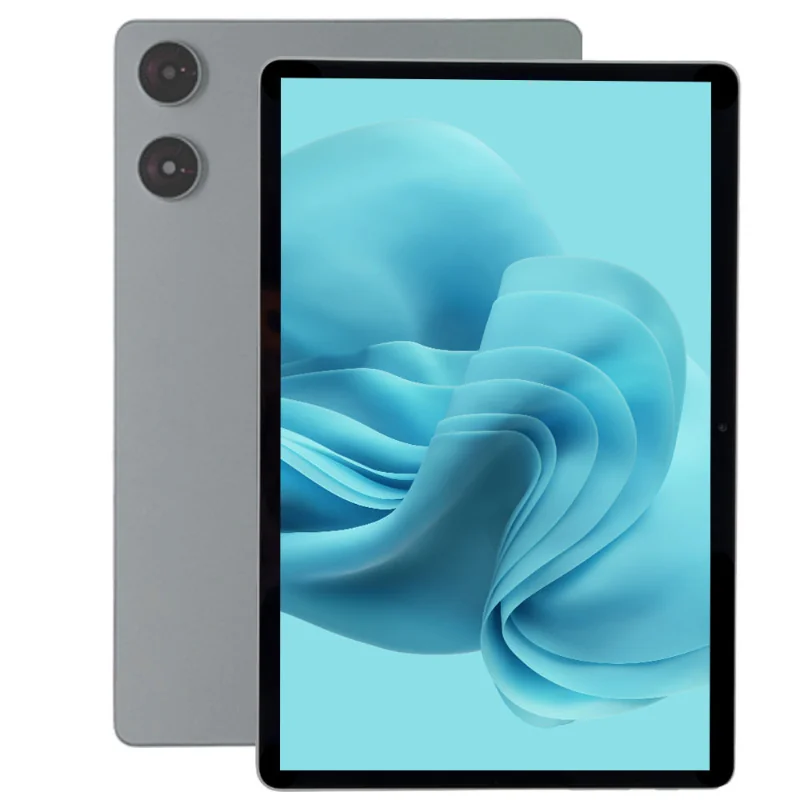
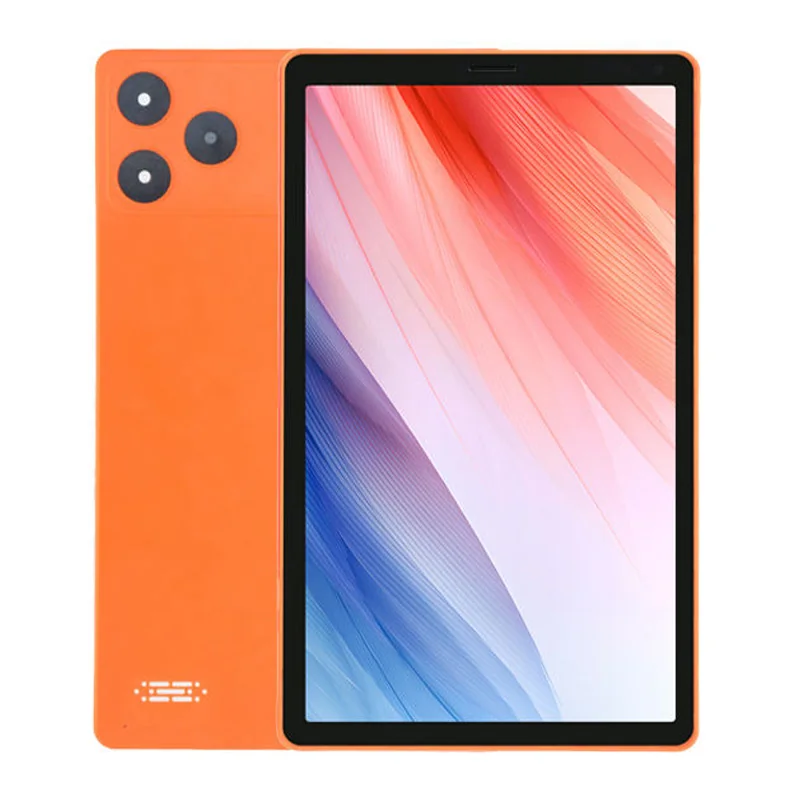
Working factory-direct on an OEM basis lets you lock the hardware build to the exact reader and P2PE configuration your acquirer needs — rather than adapting an off-the-shelf consumer tablet that can’t pass validation. The Wintouch A50 Business Tablet (10.1″, Android 14, 4GB+64GB, 6000mAh) is a locked-down Android platform well suited to card-acceptance and POS builds. The Wintouch A80-A (10.1″, Android 16, 4G LTE) covers deployments that need cellular connectivity at the counter.
Next Step: Get a Certified POS Tablet Quote
Tell us your target market and acquiring bank, and we’ll confirm which of our Android POS tablet builds already holds the EMV/P2PE certifications you need — and hand over the certificates before you commit. Request a quote, a free sample, or the full datasheet and let’s de-risk your rollout together.