The 2026 educational tablet market is poised for significant growth, yet OEMs face mounting pressure to deliver certified, durable devices that meet diverse regional compliance standards and evolving pedagogical needs. This commercial demand creates a critical window for manufacturers who can navigate certification complexities, customize hardware for vertical use cases, and offer cost-effective bulk solutions — all pain points that Wintouch addresses through pre-certified platforms and flexible OEM partnerships.
The 2026 educational tablet market offers OEMs substantial opportunities to supply pre-certified, rugged devices with built-in parental controls and vertical customization options. Wintouch provides turnkey platforms that reduce compliance timelines by up to 40%, enabling faster market entry. Explore tailored OEM solutions for 2026 today.
Educational Tablet Market Overview: Trends for 2026
The global educational tablet market is projected to grow at a CAGR of 8.3% through 2026, driven by digital learning initiatives and remote education demands. Key trends include demand for rugged, child-safe devices with parental controls, extended battery life (typically 6–10 hours), and cost-effective bulk procurement. OEMs must navigate certification complexities (CE, FCC, RoHS, ASTM F963) while balancing BOM costs and customization flexibility.
According to IDC’s 2025 Market Analysis, education tablet shipments accounted for over 14 million units globally in 2024, with forecasts indicating a 17% increase in 2026. This growth is fueled by government-funded device programs in the EU and North America, as well as expanding EdTech adoption in Southeast Asia and the Middle East. OEMs that can deliver cost-optimized, regionally certified products are best positioned to capture market share.
Opportunity 1: Growing Demand for Kids’ Tablets with Parental Controls
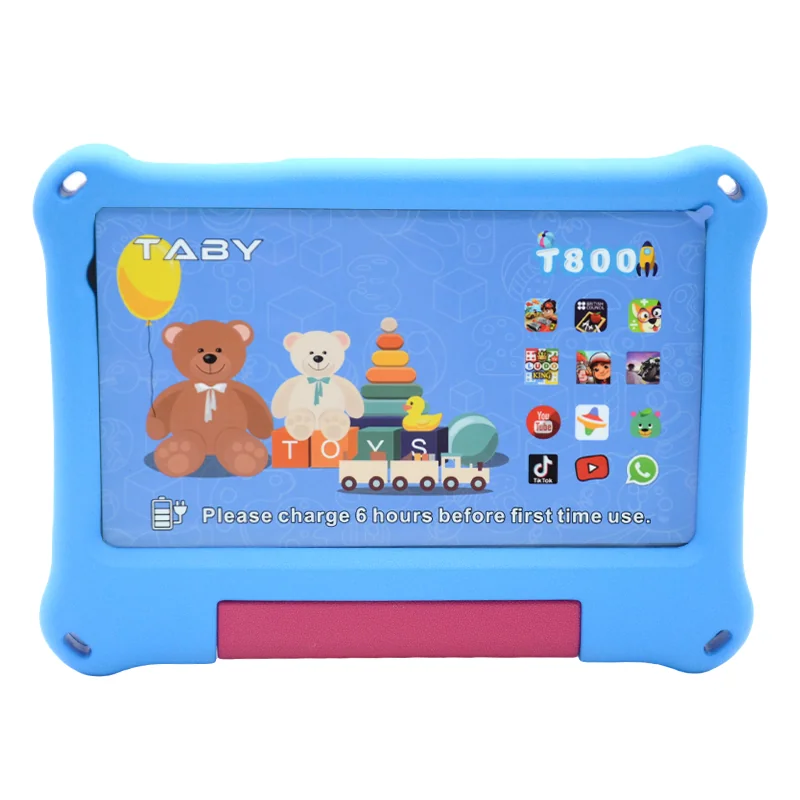
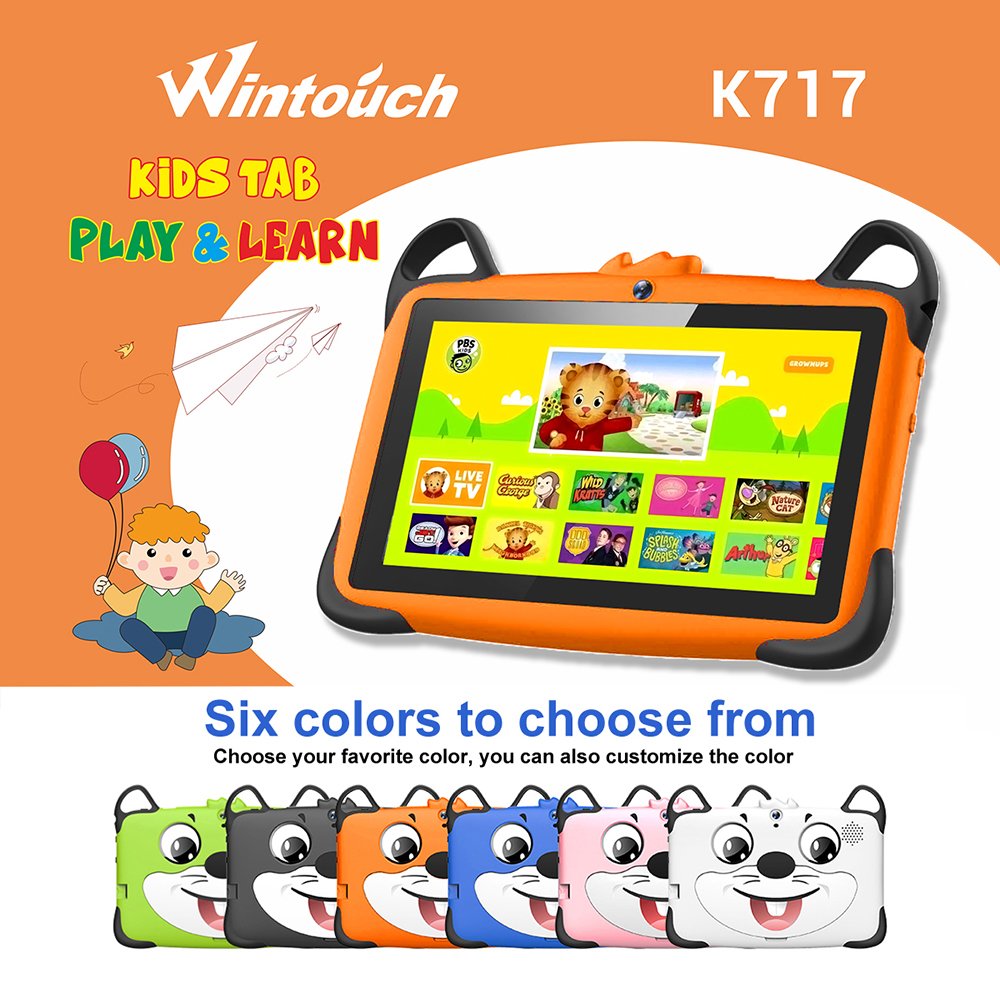
Wholesale kids tablets with parental control are increasingly sought by schools and public programs, especially in EU/US markets where compliance standards like ASTM F963 (US) and EN71 (EU) apply. While competitors like Apple and Samsung offer general tablets, they lack the ruggedness and granular parental control features required for K–12 environments. In contrast, Wintouch’s kids tablet line integrates content filtering, usage time limits, and age-appropriate app stores as built-in firmware options — features that eliminate the need for third-party software.
Data from a 2025 Statista report shows that 72% of educational tablet purchases by school districts required embedded parental control software; this share is expected to rise to 85% in 2026. For OEMs, the opportunity lies in offering purpose-built tablets that pass children’s safety tests (e.g., lead-free materials, round-edge designs) while remaining price-competitive. Wintouch has supplied over 50,000 certified educational tablets to school districts in Europe and North America over the past two years, demonstrating repeatable compliance and scale.
Opportunity 2: Customization for Vertical Use Cases (POS, Healthcare, Logistics)
Beyond classrooms, tablets originally designed for education are being adapted for point-of-sale, healthcare kiosks, and warehouse management — a trend amplified by the need for all-in-one devices that are both durable and affordable. OEMs can leverage existing Android tablet platforms for POS systems, adding peripherals like barcode scanners, payment terminals, and ruggedized casings. The search term “wholesale android tablets for pos systems” is a high-demand, low-competition angle that many general market reports overlook.
Wintouch’s WT707 model serves as a flexible base platform: it can be configured with different IO ports (USB 3.0, RS232, RJ45), up to 8 GB RAM, and optional hot-swappable batteries. By partnering with an ODM like Wintouch, OEMs can specify their own branding, Android OS bulid, and certification packages — whether for a healthcare tablet with IP65 rating or a logistics tablet with a built-in 2D barcode scanner.
Market Compliance & Certification: A Competitive Advantage
Compliance remains the top barrier for OEMs entering new regions. EU/US markets require rigorous testing for children’s safety (EN71, ASTM), while MENA demands SASO/G-Mark and the EU is phasing in the Digital Product Passport 2027. A clear understanding of certification differences can reduce development time by 30–40% when working with a manufacturer holding pre-certified platforms.
| Certification | Region | Key Requirements | Impact on Tablet Design |
|---|---|---|---|
| CE | European Union | EMC, safety, radio (RED) | Mandates emissions limits and electrical safety |
| FCC | United States | Electromagnetic interference, RF exposure | Requires specific radio module testing |
| RoHS | EU/Global | Restriction of hazardous substances (lead, mercury) | Forces material selection and manufacturing process change |
| ASTM F963 | United States | Physical and mechanical safety, toxic elements | Requires rounded edges, secured batteries, non-toxic paint |
OEMs that partner with a manufacturer holding pre-certified platforms (as Wintouch does across all four standards) can cut time-to-market significantly. The upcoming EU Digital Product Passport 2027 will add further compliance layers, making early alignment with eco-design requirements a strategic advantage.
FAQ: Commonly Asked Questions About Educational Tablets for OEMs
What are the key trends in the educational tablet market for 2026?
Key trends include rising demand for rugged child-safe tablets with embedded parental controls, increased adoption of AI-based personalized learning (e.g., adaptive math apps), and growing preference for cost-effective bulk procurement over consumer-grade devices. OEMs should prioritize customization for vertical use cases like POS and healthcare.
How can OEMs capitalize on the growing demand for kids’ tablets with parental controls?
By offering tablets with built-in content filtering, time management, and pre-installed educational app stores that satisfy ASTM F963 and EN71 standards. OEMs can differentiate by providing firmware-level controls (not just app-based) and by partnering with manufacturers that offer pre-certified hardware, thereby reducing certification risk and lead times.
What certifications are required for educational tablets in different regions?
For EU markets: CE (EMC & safety), ROHS, and EN71 (toy safety) are mandatory. For US markets: FCC (RF/EMI) and ASTM F963 (children’s product safety) are required. For MENA: SASO or G-Mark is needed. Wintouch holds all these certifications on its educational tablet platforms, streamlining OEM market entry.
What should OEMs look for in a tablet manufacturing partner?
Look for proven certification portfolio (CE, FCC, RoHS, ASTM, etc.), flexible MOQs (e.g., 500–1000 units), customization capability for ports, memory, and branding, and after-sales support including warranty (typically 12 months) and return policies. Request samples and pilot deployments to assess real-world durability and battery life.
How to Choose the Right OEM Partner for Educational Tablets
Selecting an OEM partner requires more than checking a price list. Evaluate their certification history — not just possession but track record of passing audits for different regions. Confirm MOQ flexibility (Wintouch works with orders as low as 500 units) and the breadth of customization: can they integrate specific sensors, modify the housing, or preload custom firmware? After-sales support matters equally; a partner that offers 12-month warranty, spare parts availability, and clear return terms reduces procurement risk.
While market uncertainties exist — from shifting regulations to supply chain volatility — OEMs can de-risk by choosing a manufacturer with established credibility. Wintouch provides transparent warranty policies and has detailed documentation on educational tablet compliance to support decision-making.
Ready to turn 2026 trends into a concrete product plan? Request a Wintouch educational tablet quote or datasheet to discuss your specific requirements, customization needs, and target certifications. Our team will provide a tailored OEM proposal within 48 hours.