Android Tablet Manufacturer China OEM/ODM: The Complete 2026 B2B Sourcing Guide
Looking for an Android tablet manufacturer in China for OEM/ODM? The right factory partner determines your product quality, certification speed, time-to-market, and ultimately your margin. This guide walks B2B buyers through the complete sourcing decision — from supplier evaluation to certification compliance to red flags that cost you months of delay.
Why Your Choice of OEM/ODM Partner Determines Success
The global Android tablet OEM market is projected to exceed $45 billion by 2027 (Mordor Intelligence). But the real challenge for brand owners, system integrators, and distributors isn’t finding a factory — it’s finding one that won’t fail you.
A partner mismatch typically costs buyers 3–6 months of delayed time-to-market and significant rework expenses on certification, casing tooling, or software customization. In B2B tablet sourcing, the factory you choose is more consequential than the spec sheet you write.
Two Product Lines, Two Completely Different Sourcing Strategies
Not all Android tablets are built the same. The OEM/ODM sourcing decision splits into two distinct paths — each with its own certification requirements, buyer profile, and supplier qualification checklist:
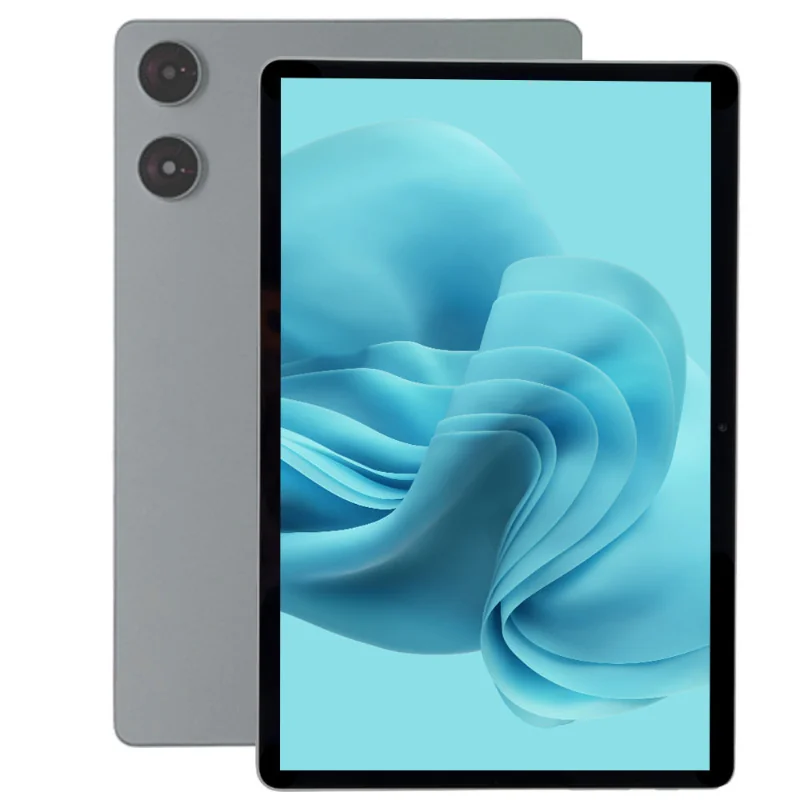
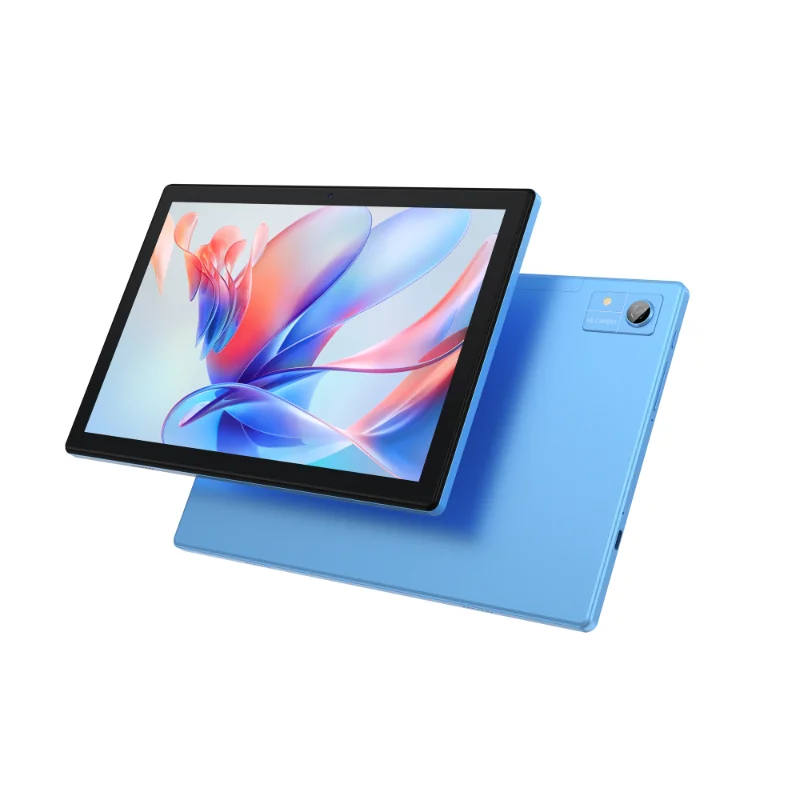
Business & Enterprise Tablets
- Use cases: POS terminals, digital signage, retail kiosks, field service, hospitality check-in, government deployments — any scenario requiring 8+ hours of daily operation with peripheral integration.
- Key requirements: Google GMS certification, Widevine L1 (for streaming), multi-touch capacitive screens, Ethernet/RS232 peripherals, long-lifecycle Android OS support, and commercial-grade reliability. A POS tablet that reboots mid-transaction costs a restaurant real revenue — not just a bad review.
- Who buys: IT procurement managers at retail chains, POS solution integrators packaging hardware+software, digital signage deployers managing 500+ endpoints, private-label brand owners entering enterprise markets.
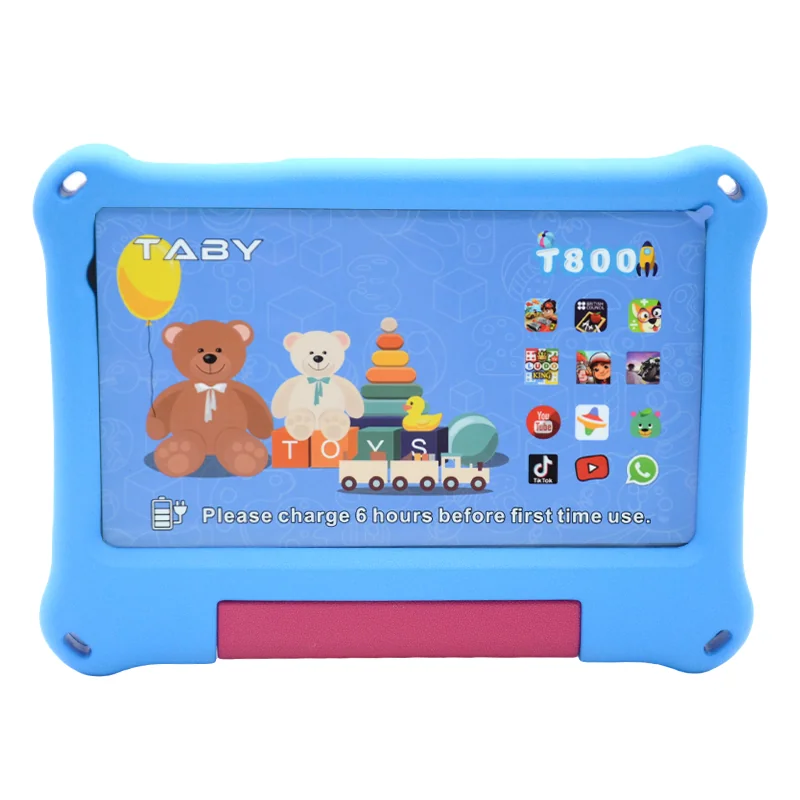
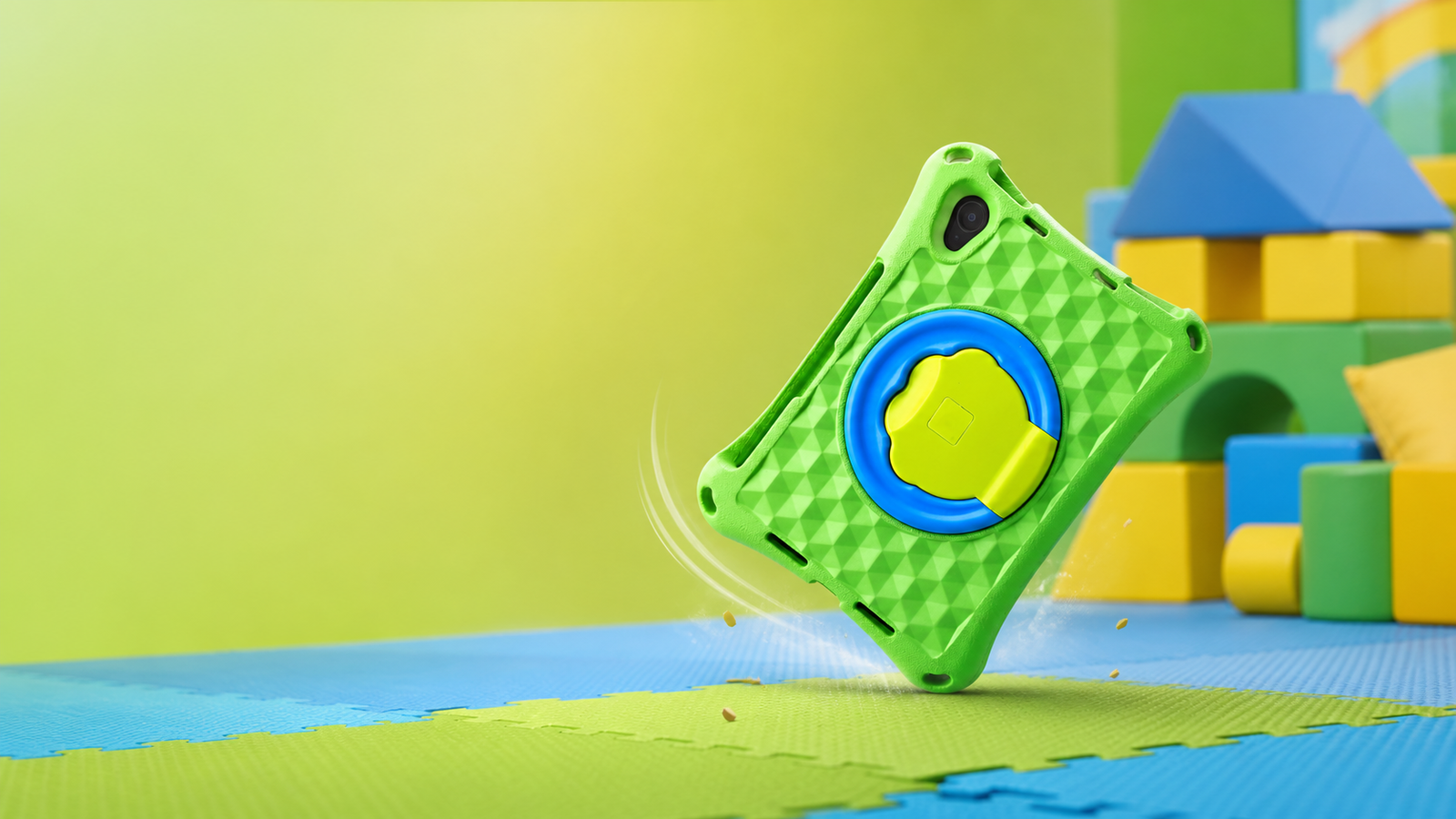
Kids & Education Tablets
- Use cases: K-12 classroom 1:1 programs, EdTech platform hardware bundling, preschool learning devices, education ministry tenders — all requiring child-safety compliance and centralized device management.
- Key requirements: Kids-safe casing (drop-proof, rounded edges, non-toxic materials), pre-installed parental control / MDM software, compliance with ASTM F963 (US) / EN71 (EU) toy safety standards, blue-light-filter displays, and battery safety certifications (IEC 62133).
- Who buys: Education ministries running national tablet programs, school district procurement officers, EdTech companies needing branded hardware, children’s electronics brands expanding into learning devices.
👉 See our dedicated Kids Tablet OEM Sourcing Guide for full details.
Certification Requirements by Target Market
Certification is often the #1 hidden cost and delay in OEM/ODM tablet sourcing. Each market has its own mandatory standards — here’s what every importer needs:
| Market | Mandatory Certifications | Typical Timeline | Estimated Cost |
|---|---|---|---|
| 🇺🇸 United States | FCC (wireless), UL (safety), ASTM F963 (kids) | 4–8 weeks | $5,000–15,000 |
| 🇪🇺 European Union | CE-RED, RoHS, REACH, EN71 (kids), WEEE | 6–10 weeks | $8,000–20,000 |
| 🇬🇧 United Kingdom | UKCA, RoHS, REACH | 4–6 weeks | $3,000–8,000 |
| 🌏 Southeast Asia | NBTC (Thailand), SDPPI (Indonesia), MCMC (Malaysia) | 4–12 weeks | Varies by country |
| 🌍 Middle East | G-Mark, TRA, SASO | 6–12 weeks | $5,000–12,000 |
⚠️ Not all factories hold valid pre-certifications. Always request a copy of the factory’s existing CE/FCC/GMS certificates before placing an order. Many Alibaba suppliers display outdated or borrowed certificates — verify expiration dates and factory name match.
How to Evaluate an Android Tablet OEM/ODM Manufacturer
Use this 6-point checklist when qualifying any Chinese Android tablet factory:
- Audit the factory’s certification portfolio — Request PDFs of existing CE, FCC, GMS, and any kids-safety certs. Counterfeit certificates are common on trading platforms. Cross-check certificate numbers against the issuing body’s public database.
- Check MOQ flexibility — Can they do 300 pcs for a pilot run? 100 pcs for sample validation? A factory that demands 5,000 MOQ on first order hasn’t earned that trust yet.
- Assess software customization depth — Can they modify the Android launcher, preload APKs, integrate MDM, or customize the kernel for peripheral drivers? Many “OEM factories” can only swap logos — that’s not OEM, that’s sticker branding.
- Verify supply chain independence — Do they source screens from BOE / Tianma / Innolux directly, or through brokers? Display quality is the #1 consumer complaint on white-label tablets, and broker-sourced panels have inconsistent quality.
- Request client references for your category — A factory that builds rugged POS tablets may lack the ESD/toxicity knowledge for kids’ tablets, and vice versa. Ask for references in your specific vertical.
- Evaluate lead time reliability — Ask for recent shipment records. A factory that quotes 30 days but delivers in 55 is a red flag for contract fulfillment. Consistent 10%+ overruns mean they’re over-promising capacity.
5 Red Flags When Choosing an Android Tablet OEM/ODM Partner
- “We can do everything” with no category specialization — A factory claiming expertise in POS tablets, rugged tablets, kids tablets, and medical tablets simultaneously is almost certainly outsourcing most of the work.
- MOQ below 50 pcs on branded OEM — This is sample-level only, not production-grade quality. Real factories have minimums because production-line setup has real costs.
- No lab in-house — If drop testing, temperature chamber, and ESD testing are outsourced, iteration cycles slow to a crawl. In-house testing = faster certification pre-checks.
- Can’t produce GMS certificates on request — GMS licensing fees ($0.75–1.50/unit) are often skipped by unlicensed factories, which blocks Google Play access for your devices in target markets.
- Only accepts Alibaba Trade Assurance — Legitimate factories accept T/T or L/C directly. Trade Assurance-only sellers are often trading companies, not manufacturers.
Why Wintouch: A Different Approach to OEM/ODM
Wintouch operates as a factory-direct Android tablet manufacturer with two dedicated production lines — business/enterprise and kids/education. Unlike generalist Alibaba suppliers or specialized rugged-tablet makers, our dual-category structure means each product line has dedicated quality protocols, not a one-size-fits-all process:
- Dual-category production lines — Separate quality protocols for business tablets (GMS, Widevine, POS peripherals) and kids tablets (ASTM/EN71 compliance, parental control, drop-proof casing)
- Flexible MOQ — Pilot runs from 300 units, volume pricing at 1,000+
- In-house certification management — CE, FCC, RoHS, GMS pre-compliance included in standard process
- Full white-label — Custom branding, packaging, preloaded software, OTA update server setup
- Engineering support — Android BSP customization, peripheral driver integration, MDM pre-configuration
👉 Learn more: OEM Tablet PC with Android 16 & Pre-installed GMS
FAQ: Android Tablet OEM/ODM Sourcing
What’s the minimum order quantity for OEM tablet manufacturing in China?
For true OEM (new tooling, custom PCB layout), MOQ typically starts at 1,000–3,000 units. For ODM (white-label existing designs), flexible manufacturers like Wintouch accept pilot runs as low as 300 units.
How long does it take to produce a custom Android tablet?
ODM white-label: 25–45 days for first batch. Full OEM with new tooling: 60–90 days including mold development and certification testing.
Does the factory need to have Google GMS certification?
Yes, absolutely — if you require Google Play Store access. Without GMS, the tablet cannot ship with Google Mobile Services, which is essential for most B2B use cases outside China. Always verify the factory’s GMS license. Many unlicensed factories ship with sideloaded Google services that break after system updates, leaving your end-customers unable to use the Play Store.
What certifications are needed to import Android tablets to Europe?
CE marking (RED for wireless, EMC, LVD for safety), RoHS, and REACH compliance are mandatory. For kids/education tablets, EN71 toy safety standard and EN 62368-1 apply. WEEE registration is required for Germany and France. Budget 6–10 weeks for full EU certification and $8,000–20,000 in testing fees if the factory doesn’t have pre-certification.
Can I get my logo and packaging on the tablet without full OEM pricing?
Yes — this is ODM white-label service. Most specialist manufacturers (including Wintouch) offer custom branding, custom retail packaging, and pre-loaded software at ODM pricing, without the NRE cost of full OEM. This is the fastest path to market for private-label brands.
Get Your Custom Android Tablet Quote
Choosing the right Android tablet manufacturer in China is the single most important decision in your product launch. Whether you need business tablets for enterprise deployment or certified kids tablets for education programs, the factory partner you choose directly impacts your certification timeline, unit cost, and product reliability.
Request a quote or sample: Contact our B2B team to discuss your specifications, target market, and timeline. We’ll provide a detailed proposal including certification roadmap, MOQ pricing, and lead time within 2 business days.