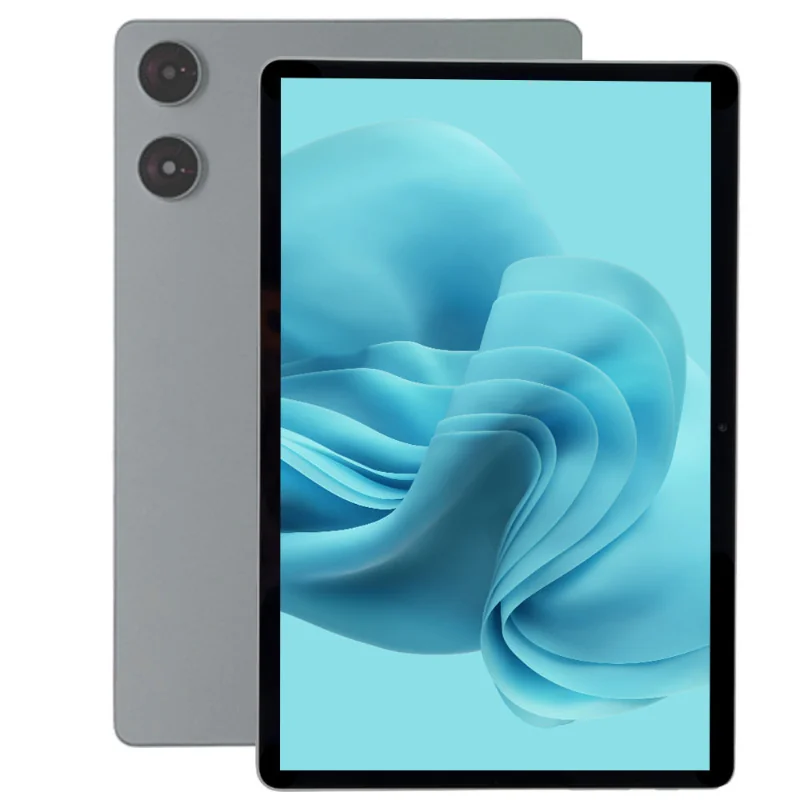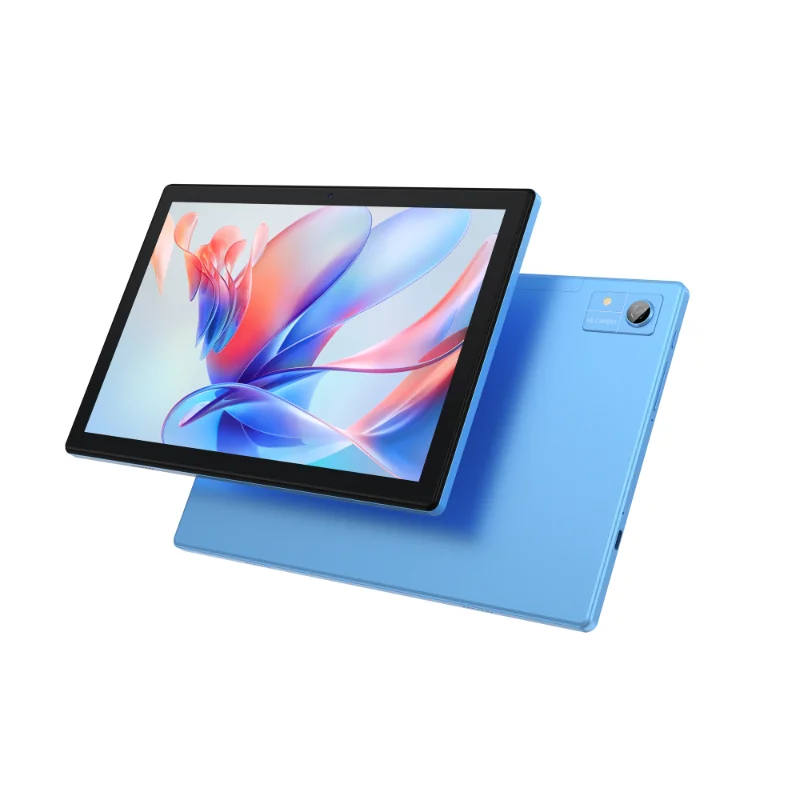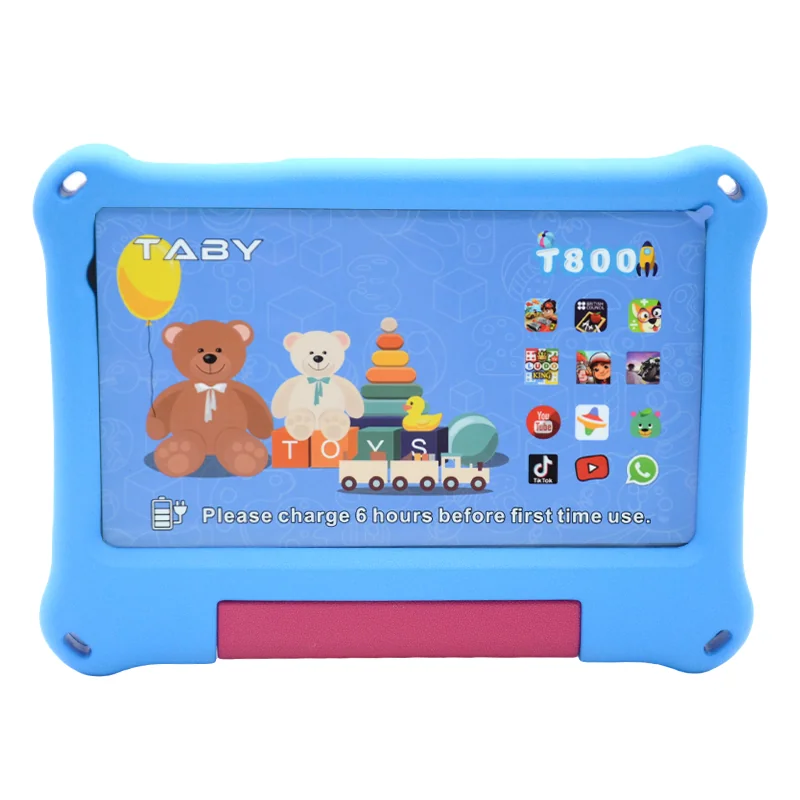
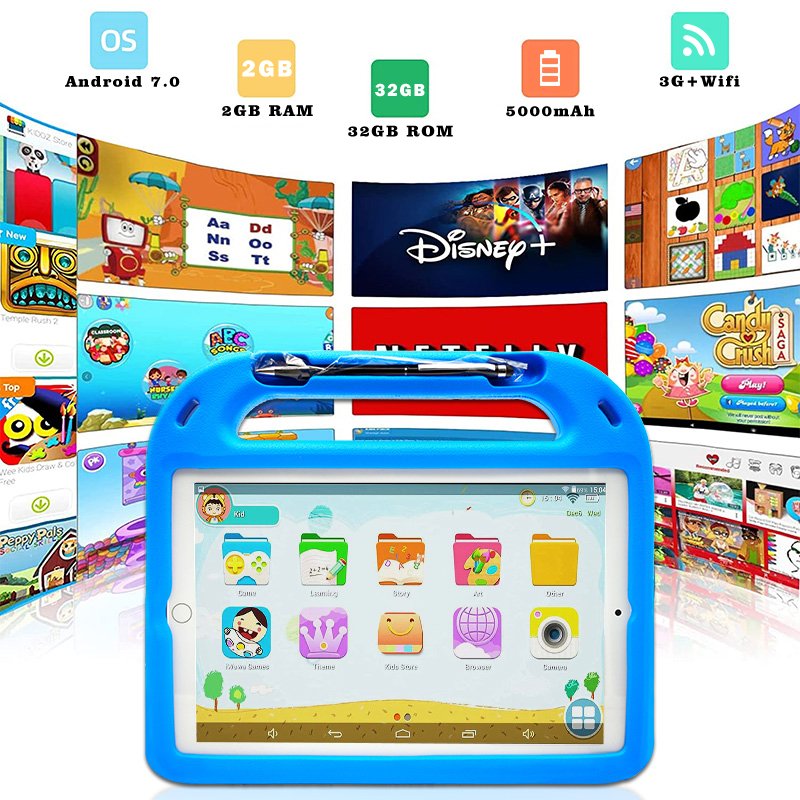
Educational Tablet Market Growth & Trends 2026: OEM Guide
Procurement managers and OEM buyers evaluating the educational tablet market in 2026 face a landscape reshaped by AI integration, stricter certification regimes, and evolving classroom demands. The global educational tablet market is projected to reach $18.5 billion by 2026 (CAGR 7.8%), driven by K‑12 one‑to‑one device programs, hybrid learning continuity, and refresh cycles fueled by on‑device AI. For OEM buyers, understanding these trends is not academic—it directly affects spec decisions, compliance costs, and supplier qualification timelines.
The 2026 educational tablet market presents a unique inflection point: margins are tightening, certification complexity is rising, and AI‑powered learning features are becoming a procurement must‑have rather than a differentiator. Savvy OEM buyers who align their sourcing strategy with these shifts can reduce compliance risk by 30% and accelerate time‑to‑bid on education tenders.
Educational Tablet Market in 2026: Key Growth Drivers
The surge in global education technology spending continues to reshape procurement priorities. According to IDC’s 2025 Education Tablet Tracker, worldwide shipments reached 42 million units in 2025, with 2026 projected to add another 45 million as emerging markets in India, Brazil, and Southeast Asia implement large‑scale 1:1 initiatives. For OEM buyers, this growth translates into three immediate sourcing implications:
- Volume commitments are rising – typical district tenders now require 5,000–10,000 units, pushing OEMs to validate supply chain capacity and lead times (45–60 days standard).
- AI‑powered personalized learning is driving refresh cycles down from 4–5 years to 3 years, increasing the total addressable market each year.
- Regional certification fragmentation (SASO for Saudi Arabia, BIS for India, AS/NZS for Australia) creates a cost premium of 8–15% for multi‑region compliance—a factor that separates prepared OEMs from reactive ones.
For decision‑makers, the core insight is clear: partner with an OEM that already holds a library of certifications rather than building them from scratch. Wintouch, for example, has shipped over 10,000 units to US school districts and maintains current CE, FCC, RoHS, and IEC 60529 IP54 certifications as baseline—reducing your compliance lead time by weeks.
Top 6 Trends Shaping Educational Tablets for OEM Buyers
Below are the six trends that will most directly affect your product spec sheet, procurement budget, and partner evaluation in 2026.
Trend 1: AI‑Assisted Learning (On‑Device LLMs & Adaptive Assessments)
On‑device large language models (LLMs) enable real‑time adaptive assessments without cloud latency. For OEMs, this means selecting processors like the Rockchip RK3588 (8‑core, 4 TOPS NPU) that can run lightweight AI inference. Wintouch integrates RK3588 in its 10‑inch educational tablet reference design, supporting pre‑loaded AI tutors while keeping per‑unit BOM cost under $120.
Trend 2: Rugged Construction & IP54/IP65 Minimum for Classroom Durability
District procurement guidelines increasingly mandate an IP54 rating (dust‑protected, splash‑resistant) as the floor. Tablets deployed in mobile carts and outdoor learning spaces demand drop‑test certification (MIL‑STD‑810H, 1.2 m concrete). The trend is shifting from “nice‑to‑have” to “must‑specify” in RFPs.
Trend 3: Parental Control & Enterprise‑Grade MDM Pre‑Installed
Buyers are no longer accepting aftermarket MDM software. Pre‑loaded, enterprise‑grade Mobile Device Management (MDM) with granular classroom controls is now a compliance requirement in EU tenders under the GDPR and the new ETSI EN 303 645 cybersecurity standard for IoT‑connected education devices.
Trend 4: Sunlight‑Readable & Eye‑Safe Displays
Eye‑safe displays (TÜV Rheinland certified, low blue‑light, DC dimming) are becoming standard, especially in European and East Asian markets. For outdoor or mobile classroom use, a brightness of 500 cd/m² or higher is preferred. Wintouch offers a 10.1‑inch IPS display option with 600 cd/m² and anti‑glare coating, using eye‑safe backlighting that meets TÜV certification.
Trend 5: Modular Accessories (Keyboard, Stylus, Hot‑Swap Battery)
Modularity reduces total cost of ownership. Tablets with hot‑swap batteries allow continuous classroom use across periods, while detachable keyboards and active styluses enable seamless switching between assessment mode and creative work. This is especially relevant for K‑12 districts consolidating device types.
Trend 6: Sustainable Materials & Lower Power Consumption
Government green procurement policies (EU Taxonomy, US Executive Order 14057) are pushing OEMs toward recycled plastics, reduced packaging, and power‑efficient chipsets that enable <5 W active power draw. OEMs that can document a carbon footprint per unit gain a scoring advantage in public tenders.
For a deeper dive into the AI and display innovations, see our dedicated analysis on 2026 Educational Tablet Market: AI & Eye‑Safe Displays.
Certification & Compliance: What OEMs Must Verify in 2026
Certification is the single largest source of hidden cost and timeline risk for OEM buyers. Below is a comparison table of mandatory certifications across key markets.
| Region | Mandatory Certifications | Typical Timeline | Cost Range (USD) |
|---|---|---|---|
| United States | FCC Part 15, UL 60950‑1, CPSIA (for devices used by children under 12) | 4–6 weeks | $8,000–$15,000 |
| European Union | CE (RED), RoHS, WEEE, EN 71 (if marketed as children’s product), ETSI EN 303 645 | 6–8 weeks | $12,000–$22,000 |
| India | BIS (IS 13252), WPC (for wireless) | 10–14 weeks | $5,000–$10,000 |
| Saudi Arabia / MEA | SASO, IEC 62368‑1, Arabic language pack requirement | 8–12 weeks | $6,000–$12,000 |
| Australia / New Zealand | AS/NZS 62368‑1, RCM marking | 4–6 weeks | $4,000–$8,000 |
OEM buyers should demand a certification roadmap from any partner. Wintouch holds active FCC, CE, RoHS, and IEC 60529 IP54 certifications, and can bundle compliance for new regions with a 4‑week extension on standard lead times.
Don’t miss: For a complete overview of how Android 15 affects enterprise compliance, read Android 15 for Enterprise Tablets: What B2B Buyers Must Know Before OEM Sourcing.
How to Choose the Right Educational Tablet OEM Partner
Selecting an OEM is not a spec‑sheet exercise—it is a risk‑management decision. Use the following criteria to evaluate partners:
- Factory audit and certifications – Verify ISO 9001 (quality), ISO 14001 (environmental), and preferably SA8000 (social compliance). Request a virtual or on‑site audit.
- Customization depth – Can the OEM modify the Android OS (pre‑load apps, lock settings, customize launcher)? Wintouch offers full OS customization for G‑Suite for Education and Microsoft Intune integration.
- Lead time and MOQ – Typical production lead is 45–60 days. MOQ for custom specs (logo, OS, packaging) is 500 units; standard configurations may have lower MOQ.
- Reference deployments – Ask for case studies with education integrators or district testimonials. Wintouch has delivered over 10,000 units to US school districts and can provide NDA‑redacted references.
- Warranty and after‑sales – Demand a minimum 12‑month warranty, clear RMA process, and spare parts availability (5–10% buffer recommended in contract).
Real‑World Deployment Scenarios & Risk Mitigation
Each deployment context introduces specific risks. Here are three archetypes OEM buyers commonly face:
Scenario A: US K‑12 District (10,000 units)
Requires FCC Part 15, UL, CPSIA compliance, and G‑Suite for Education integration. Risk area: CPSIA lead‑time can extend certification to 8 weeks if not pre‑planned. Mitigation: partner with an OEM that already holds CPSIA certification for its reference design.
Scenario B: European EdTech Startup (500‑1,000 units)
Needs CE, RED, RoHS, WEEE, and ETSI EN 303 645 cybersecurity certification. GDPR‑compliant software stack is mandatory. Low MOQ (500) limits partner options. Mitigation: choose an OEM offering standard configurations that are already CE‑certified to avoid custom‑certification costs.
Scenario C: MEA Government Tender (20,000 units)
SASO certification, Arabic language pack, and ruggedization for desert heat (ambient temperature tolerance up to 50°C). Risk area: SASO testing can take 12 weeks. Mitigation: include a 5–10% spare parts buffer and on‑site repair commitment in the contract to offset replacement logistics.
For more procurement‑specific advice, see our complete guide: How to Choose Educational Tablets for Schools in 2026.
Next Steps: Request Your Custom Educational Tablet OEM Quote
The 2026 educational tablet market rewards prepared buyers. By aligning your spec sheet with the trends above—AI‑ready processors, rugged construction, regional certification stacks, and modular accessories—you reduce compliance risk and shorten go‑to‑market timelines.
Download the 2026 Educational Tablet OEM Spec Pack & Compliance Checklist for full technical details, certification roadmaps, and a ready‑to‑use RFP template. Download the Spec Pack. For custom inquiries, contact our OEM team—bulk MOQ of 500 units applies, and we provide a tailored quotation within 48 hours including sample lead time.
Frequently Asked Questions
What is the projected growth rate of the educational tablet market in 2026?
The global educational tablet market is projected to reach $18.5 billion in 2026, growing at a CAGR of