Children’s Data & Screen Time in EU 2026: What EdTech OEM Buyers Must Certify Before Importing
Short answer: Before importing a kids/education tablet into the EU in 2026, an OEM buyer must verify four data-layer certifications: GDPR compliance (consent age 13–16 depending on member state, plus a Data Protection Impact Assessment where profiling is involved), the Digital Services Act’s Article 28 child-protection obligations for platforms, transparent default telemetry that can be disabled, and a screen-time / parental-control layer that actually restricts usage, not just reports it. Hardware safety alone no longer clears customs or satisfies school buyers — the compliance threshold has moved to the data plane. Verify these four items with your supplier and request written evidence before you commit to a volume order.
Why the compliance bar moved from hardware to data
Five years ago an EU school tablet order was won on CE marking, IP rating and drop-test results. In 2026 the deciding documents are privacy ones. GDPR Articles 8 and 35, the Digital Services Act 2022/2065 Article 28, and the Commission’s draft age-assurance guidelines (May 2025) all push responsibility for child data onto the party that “makes the product available” — which for a white-label OEM tablet is often the importing brand. A factory with a compliant data spine wins the tender; a factory that ships a locked-down device with invisible telemetry loses it, even if the hardware is superior.
Three EU rules an OEM buyer must map before importing
| Rule | What it requires for a kids tablet | Who it binds |
|---|---|---|
| GDPR Art. 8 (child consent) | Valid consent age 13–16 by member state (DE 16, FR 15); verifiable parental consent mechanism | Data controller = usually the importing brand |
| GDPR Art. 35 (DPIA) | Data Protection Impact Assessment required when profiling children or large-scale processing | Controller, before processing starts |
| DSA 2022/2065 Art. 28 | High level of privacy/safety for minors using online platforms; age assurance | Online platforms — but OEM data feed |
Practical takeaway: ask your supplier for three written artefacts — a DPIA completion status, the exact telemetry endpoints the OS phones home to, and a documented parental-consent flow. If any of the three is vague, treat it as a bid risk.
Screen time is now a spec, not a feature
EU and school buyers increasingly specify screen-time limits in the tender alongside RAM and storage. The 2026 baseline asks for: a parental lock spanning 0–23 hours precise to the minute, a whitelist mechanism (only approved apps run in locked mode), and a default that starts in locked mode out of the box. WHO screen-time guidance (no more than 1 hour for ages 2–4) is frequently referenced as the design target. A device that only “reports” usage to a parent dashboard but cannot enforce limits will fail this spec.
Four data-plane traps that kill an EU deal
- Hidden default telemetry. A typical Android build can phone home to multiple analytics endpoints per day. Confirm each endpoint is documented and that all telemetry can be disabled at the OS level in a GDPR-mode build. Ask for the endpoint list in writing.
- No DPIA evidence. Buyers now ask for DPIA completion. Suppliers who cannot produce it lose tenders regardless of price.
- Screen time without enforcement. Reporting-only parental dashboards fail the spec; the device must restrict, not just record.
- No EU digital identity path. The EU Digital Identity Wallet (age-verification anchor) is not fully live until end-2026 — do not let a supplier sell you on it as a current requirement.
Request the compliance pack before you order
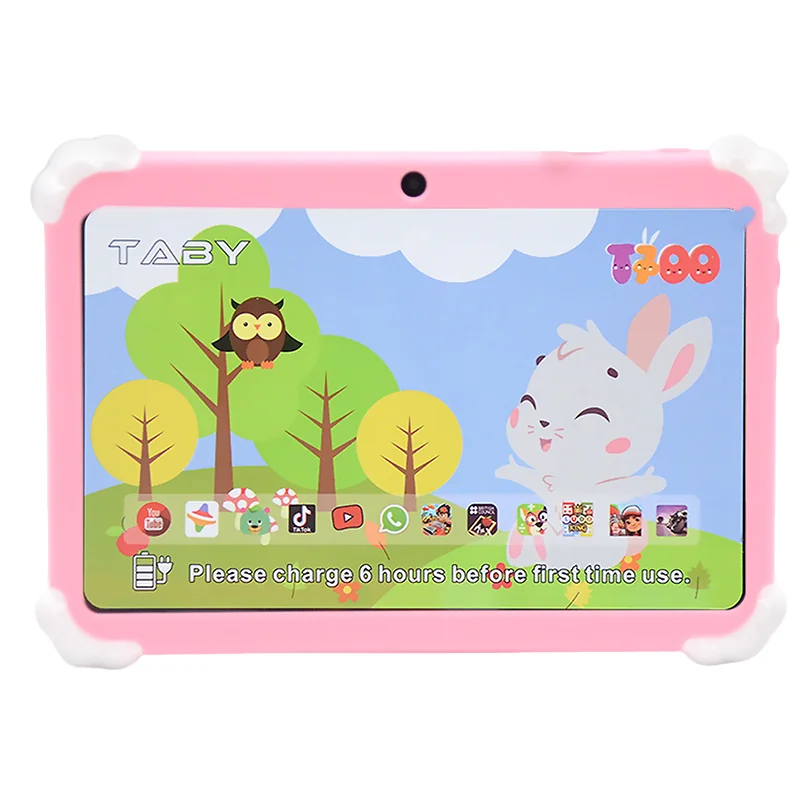
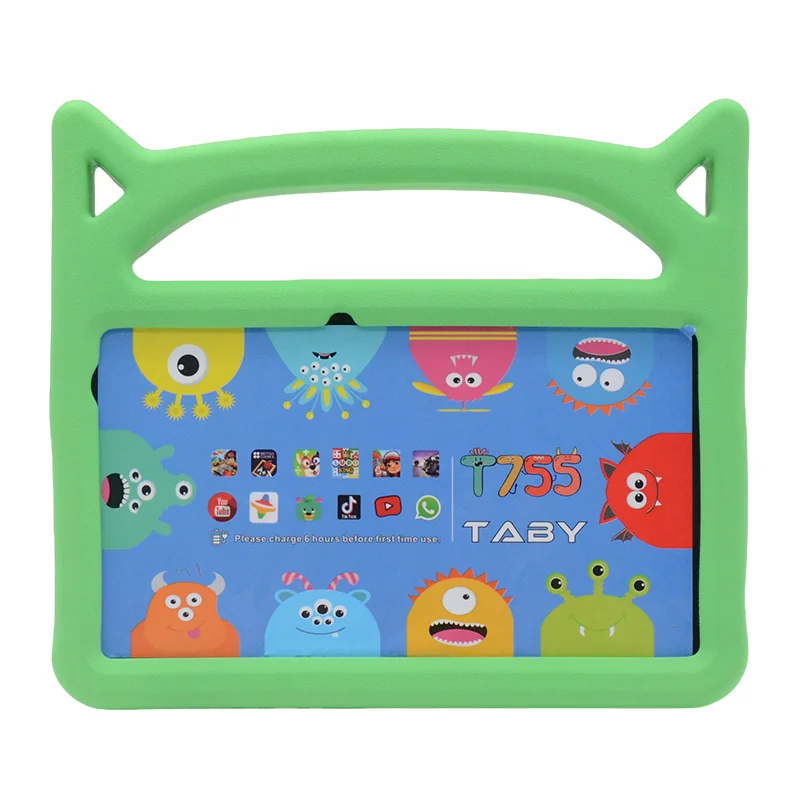
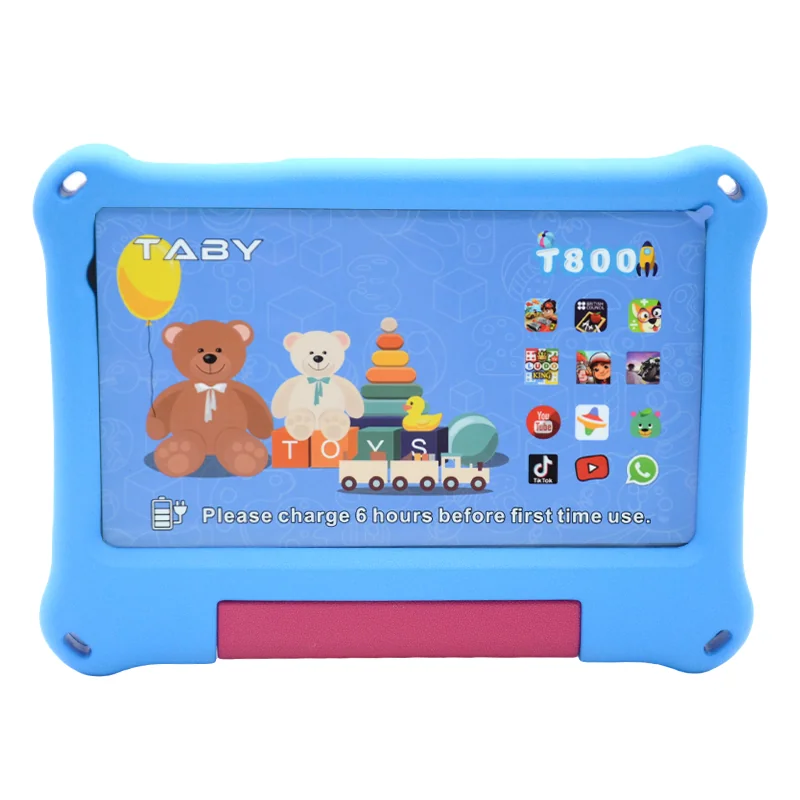
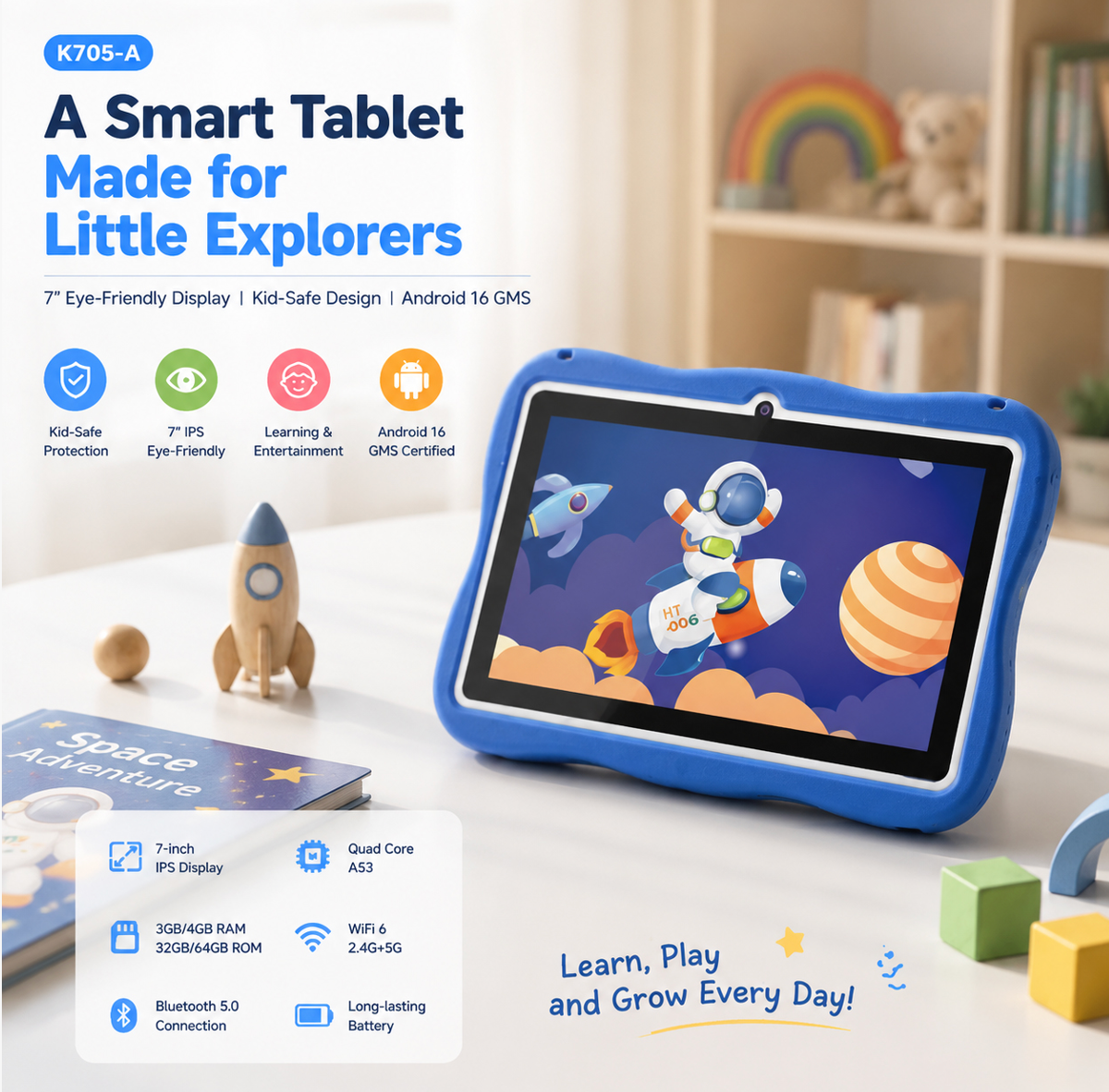
Ask any shortlisted supplier for a compliance evidence pack: GDPR consent-age table by member state, telemetry endpoint list, DPIA status, and the screen-time enforcement spec sheet. A factory with a compliant data spine ships faster through school tenders and avoids last-minute re-engineering. Browse our kids & education tablet line and request the EU compliance checklist with your quote.
FAQ
What is the GDPR consent age for children in the EU?
13 to 16 depending on the member state (Germany 16, France 15, most others 13–14). The importing brand must verify the age for each target country.
When is a DPIA required for a kids tablet?
Under GDPR Art. 35, a Data Protection Impact Assessment is required when processing involves systematic profiling of children or large-scale processing of their data — which applies to most connected classroom devices.
Is DSA Article 28 mandatory for me as an importer?
Article 28 binds online platforms, but the OEM’s data feed determines whether a platform can comply. Importer-side compliance means ensuring the device’s data flows don’t undermine the platform’s child-protection duties.
When does the EU Digital Identity Wallet come into force?
End of 2026. Do not rely on it as a current age-verification requirement.