
Bulk-Buying Kids Tablets for Schools: A Compliance & Cost Comparison That Actually Holds Up
For a school or education operator buying kids tablets in bulk, the compliant minimum is not “a parental control app.” It is a device that ships on a supportable Android version, ships with verifiable content filtering and app allow-listing built in, supports MDM remote management for fleet-wide policy, and carries a documented data-minimization statement that survives an audit. In practice that excludes models still on Android 7–10 (which receive no security patches and fail COPPA-aligned procurement reviews) and favors current Android 12+ builds with at least two years of patch support. Compliance cost is real but bounded — budgeting roughly 15–20% above raw hardware for certs, patch lifecycle and MDM tooling avoids the far larger cost of a failed RFQ or a privacy audit later.
Why bulk buyers under-budget compliance
Most RFQs for school tablets are priced on hardware alone. Two costs then show up late: certification/audit overhead, and the cost of a discontinued Android version that forces an unplanned replacement. The first is a document cost; the second is a full fleet cost. Procurement teams that treat “Android version + patch window” as a spec line, not a footnote, avoid both.
Compliance cost vs. OS support cost
Compliance cost = what it takes to prove the device meets a privacy and child-safety standard (COPPA-aligned data handling, content filtering, audit documentation). OS support cost = what you pay when the vendor stops patching and the fleet becomes an exposure. They are different budgets and different failure modes.
Spec comparison that decides the RFQ
| Model | Android | Bulk-compliant procurement verdict |
|---|---|---|
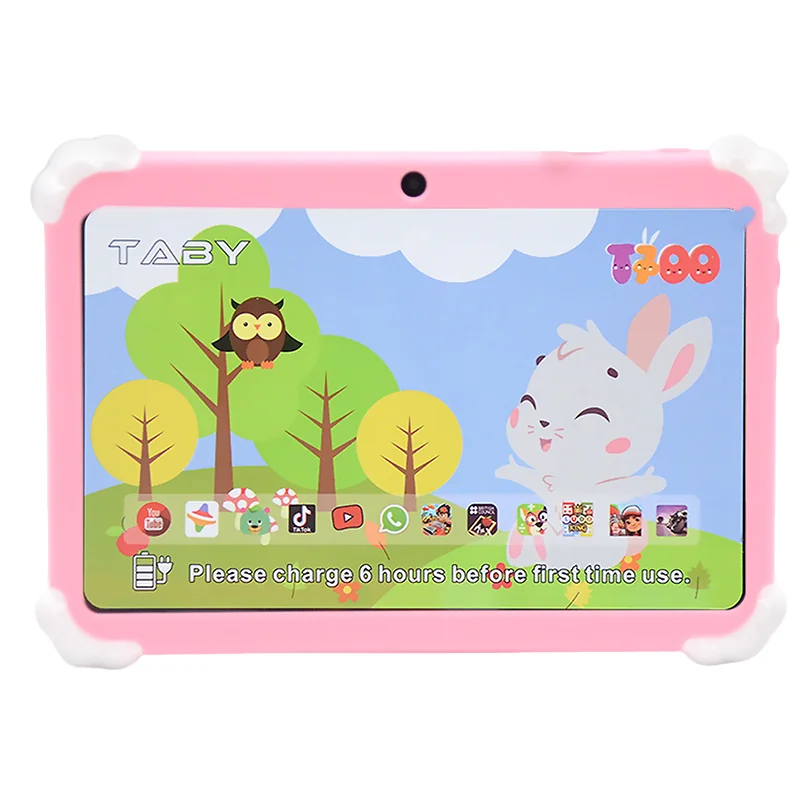
| T730 / T700 / T710 | Android 14 | ✅ Prefer — current, patchable, compliance-ready |
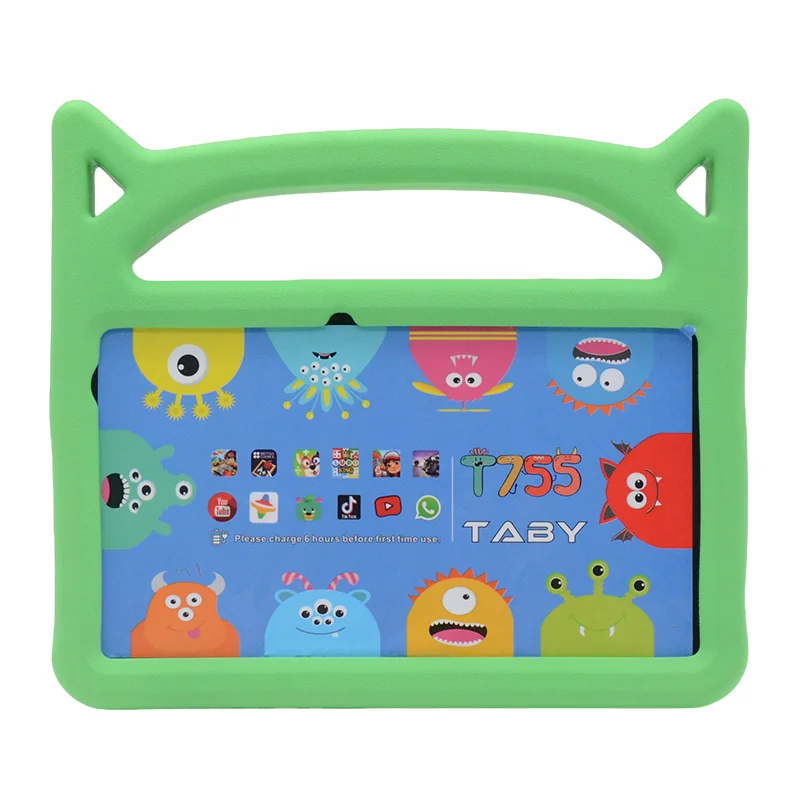
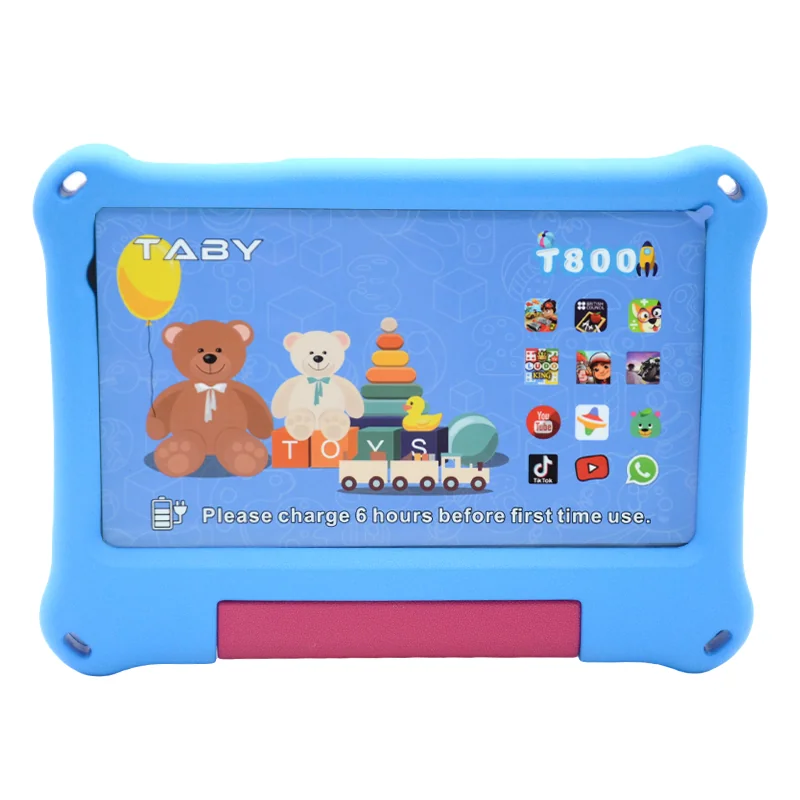
| T755 / T800 / T1000 | Android 12 | 🟡 Acceptable — verify patch window and MDM support |
| K716 / Q75X-Pro / K81 | Android 7–10 | ⚠️ Reject for compliance-sensitive tenders — no security patches |
Verdicts reflect supportability, not just release age. Always confirm the current patch status with the vendor at RFQ time.
What the procurement spec should demand
- Parental-control stack built in (allow-listing, browsing filter, screen-time limits)
- Data minimization: a written statement that no child data is sold or profiled
- A supportable Android build with a documented security-patch window
- MDM / remote fleet management for policy push and device lock-down
- Localized compliance pack (certs + data declaration) for the target market
De-risking the tender
Put the compliance pack in the RFQ as a deliverable: certs, Android version, patch status, data-handling statement. A vendor that answers all five in writing is a lower procurement risk than one that answers none.
Next step
Request a sample or a datasheet to verify the compliance pack on the models above. We’ll share the Android version, patch window and MDM stack you need for your tender.
FAQ
What Android version should a school tablet RFQ require?
Require a supportable current build (Android 12 or newer) with a documented security-patch window. Reject Android 7–10 models — they receive no patches and fail compliance-sensitive reviews.
Is parental-control software enough for compliance?
No. Compliance needs device-level controls plus a documented data-minimization statement plus MDM management. Software alone is not auditable fleet compliance.
How much more does a compliant bulk buy cost?
Budget roughly 15–20% above raw hardware for certification, patch lifecycle and MDM tooling. That is small next to the cost of a failed tender or a privacy audit.