White-Label Tablet Sourcing in 2026: Capture OEM Margins Safely
White-labeling an Android tablet (buying a factory-direct device and selling it under your own brand) can cut 30–50% off the end price you’d pay a tier-1 brand for comparable hardware. In 2026 the OEM/ODM tablet segment is compounding at 8.5% CAGR (source), and buyers are already shifting spend toward factory-direct. But the margin is only real if you de-risk three things first: (1) certification and market compliance, (2) MOQ and customization level, and (3) factory quality control. Do those right and you own a branded product line at near-factory cost. Do them wrong and a failed CE/FCC filing or a bad batch can erase the entire savings.
The margin opportunity: where brand markup hides
When you buy a branded Android tablet, you’re paying for three layers the factory never sees: the brand’s R&D amortization, its channel/distribution margin, and its marketing overhead. Going factory-direct removes all three. In practice that shows up as a 30–50% landed-cost gap versus a comparable tier-1 device.
- That gap is your gross margin if you resell — or your cost advantage if you deploy fleet-wide (POS, digital signage, kiosk).
- White-label kits (pre-built, your logo only) are the fastest path; full ODM customization (ROM, hardware config, your firmware) carries more margin but more lead time.
- The segment is growing fast enough that buyers have caught on — the tablet OEM/ODM market is compounding at 8.5% CAGR through 2033 (source), well ahead of the overall tablet market’s ~4.1% CAGR (source).
The 2026 decision map: white-label vs brand by buyer type
| Your situation | White-label / OEM | Stay with brand |
|---|---|---|
| POS software vendor bundling hardware | ✅ Build your own margin & control the ROM | — |
| Systems integrator / reseller | ✅ Own a differentiated product line | — |
| Education tech co. (compliance-heavy) | ✅ With certified compliance done right | Risk if you skip cert |
| First-time importer, small first order | — | ✅ Lower risk to start |
| Brand you must resell for credibility | — | ✅ Keep brand |
White-label vs brand: the seven-dimension comparison
| Dimension | Factory-direct white-label | Tier-1 brand |
|---|---|---|
| Unit cost | 30–50% lower landed | Includes 3 markup layers |
| Branding | Your logo, your packaging, your SKU | Their brand only |
| Customization | ROM, hardware, accessories — full ODM | None (fixed SKUs) |
| MOQ | ~50 (kit) to 200–500 (full ODM) | No minimum, but per-unit premium |
| Lead time | 2–4 months to branded product | Off-the-shelf |
| Certification | Your responsibility to verify CE/FCC/RoHS | Handled by brand |
| Quality risk | On you — audit the factory | On brand |
De-risk before you commit: the factory vetting checklist
Certification, MOQ and QC are where white-label deals live or die. Run this vetting list before you commit a single order.
- Ask for the certificate file, not a screenshot. A real factory supplies CE / FCC / RoHS test reports with its own registered company name. A screenshot alone is not evidence — it can be recycled from another brand.
- Confirm the certification carries YOUR market. CE for the EU, FCC for the US, RoHS everywhere relevant — and ASTM F963 / EN71 if the device targets children. “Compliant” must mean compliant in your destination country, not just in China.
- Get a full spec sheet before you talk MOQ. Insist on the real screen panel, SoC model, RAM/storage, battery capacity and OS version plus its support window. Vague specs are a warning sign, not a negotiation.
- Order a sample batch and test every unit yourself before the production run — one unit can pass while a production batch carries defects. Confirm the factory’s return/rework policy in writing before you scale.
- Verify the factory directly. Ask for the registered factory name and address, not just a trading-company front. Cross-check it before wiring any deposit.
FAQ
What’s the realistic MOQ for white-label Android tablets in 2026?
Pre-built white-label kits commonly start around 50 units; full ODM customization (ROM, hardware, your firmware) typically needs 200–500 units. Some factories stretch this for first-time or market-test orders, so negotiate on your first order.
Is white-labeling the same as OEM or ODM?
Roughly, yes, with a nuance. White-label = you brand an existing generic product (fastest, lowest MOQ). ODM = the factory designs/manufactures to your spec (more margin, more lead time). OEM in hardware is often used loosely to mean either. For margin capture, ODM-style customization is where the real differentiation lives.
Do I need my own CE/FCC certification for a white-label tablet?
The legal responsibility for market compliance sits with the seller in the destination market — that’s you. The factory should provide test reports, but you must confirm they cover your target region (CE/FCC/RoHS, plus ASTM/EN71 for kids’ devices) and that your branding/ROM change doesn’t void them. A firmware change can invalidate a radio certification.
How long does factory-direct tablet sourcing take?
Typically 2–4 months from confirmed order to a branded, shipped product — faster than a from-scratch custom build, slower than buying a brand off the shelf. Plan your stock accordingly.
Capture the margin without the risk
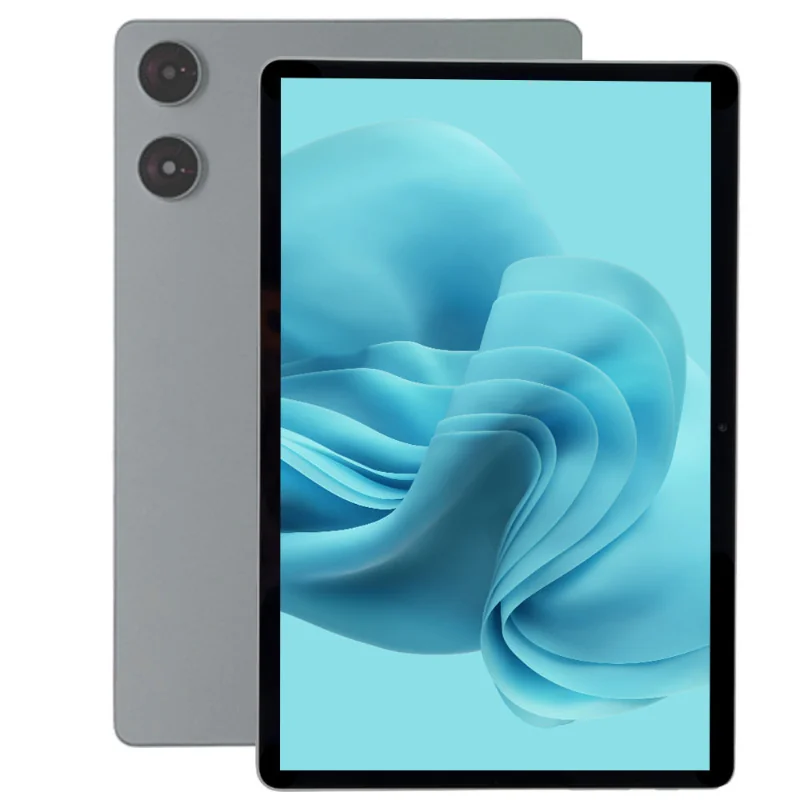
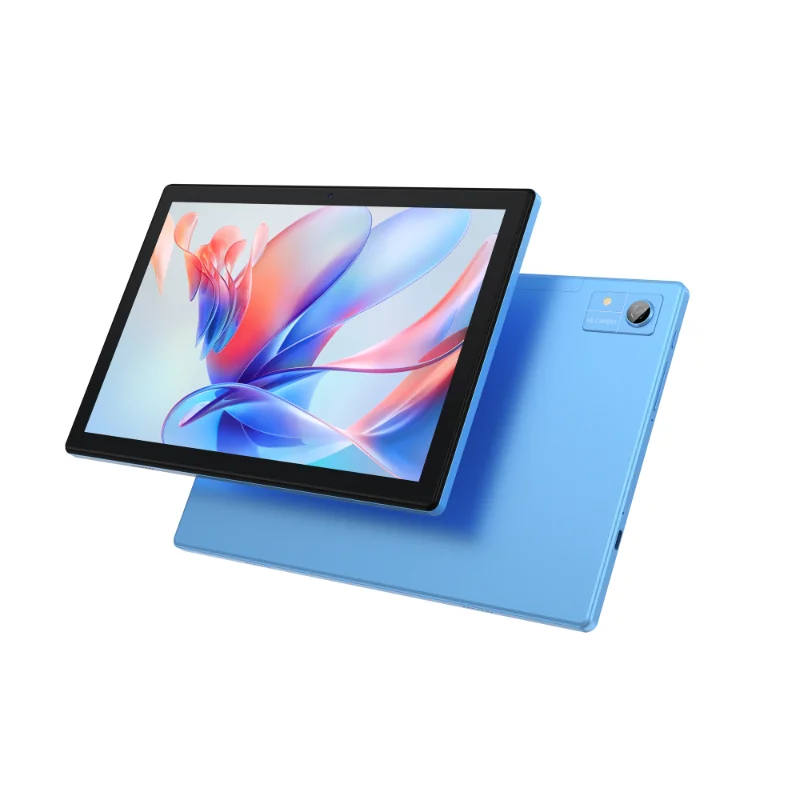
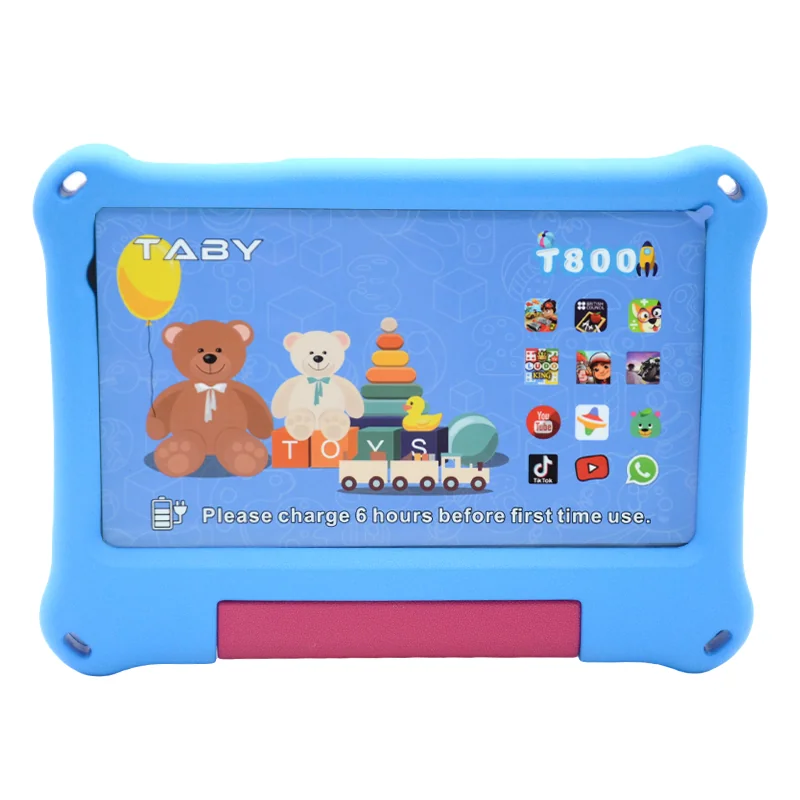
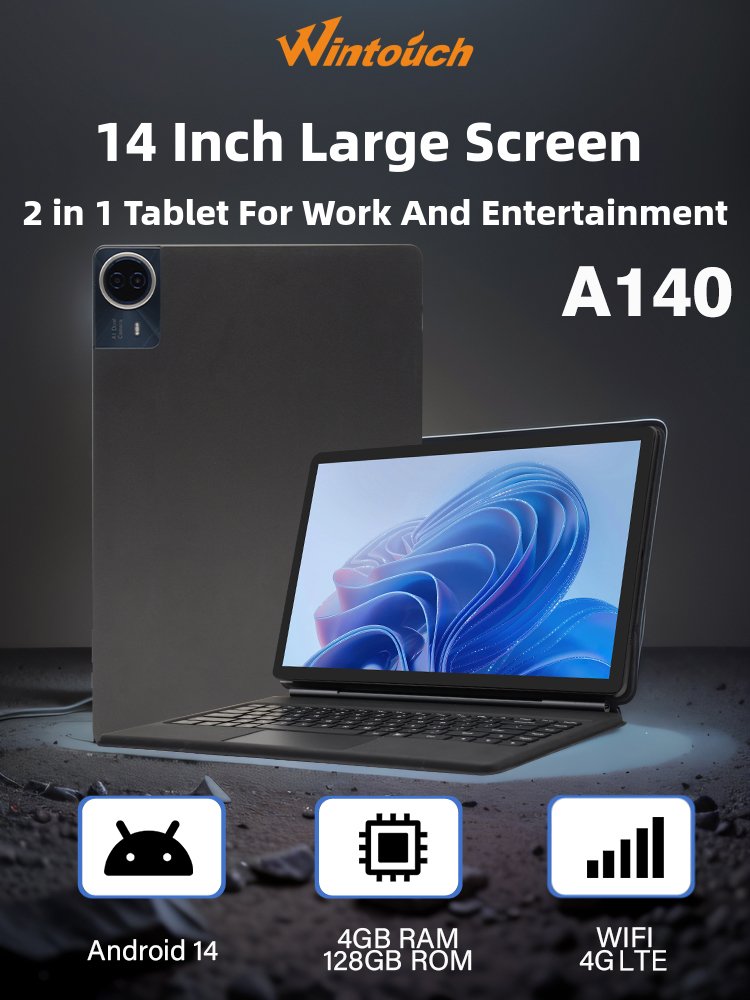
White-label is the highest-margin way to enter or scale in Android tablets in 2026 — but only when certification, MOQ and factory QC are handled up front. Our A-series and T-series lines ship as certified white-label / ODM programs with real CE/FCC/RoHS documentation, flexible MOQ, and a spec sheet you can audit before you commit. Browse the full Android tablet lineup →
Request a quote or a spec sheet and we’ll walk you through a factory-direct program sized to your market. Start by reviewing the lineup above, then send us your target spec and market.