When to Migrate Your POS Fleet from Windows to Android: The 2026–2027 Timing Planner
When should you migrate your POS fleet from Windows to Android? The decision window you actually control is 6–9 months before your first target deployment date — because Android payment certification alone (PCI PTS 6.x runs 12–24 weeks, EMV 4–8 weeks per kernel, GMS 6–12 weeks) plus firmware customisation and tooling consumes most of that runway. Windows 10 support ended in late 2025, so every unpatched terminal is a PCI DSS 4.x audit finding waiting to be logged. The correct timing is not “as soon as possible” or “when the old fleet dies” — it is the earliest date your existing hardware reaches end-of-support, your ISV app is Android-ready, and your certification lead time fits before the season you must deploy. Migrating now, before a forced deadline, preserves negotiating leverage on hardware price and supplier lead time; migrating at the last minute hands that leverage to the market. This planner gives you the dates to put in your roadmap, the certification lead times to subtract, and the de-risking checks to run before you commit tooling.
The Three Clocks That Set Your Migration Window
Timing a POS migration is a scheduling problem with three independent clocks. Miss any one and you either deploy late, deploy non-compliant, or pay a premium to compress the timeline. Plan all three before you set a go-live date.
| Clock | What It Ticks To | Typical Lead Time To Subtract |
|---|---|---|
| Windows EOL / support expiry | Microsoft ended support for most Windows 10 Enterprise and IoT POS variants in late 2025, per the official Microsoft Windows 10 lifecycle. Terminals still on Windows 10 receive no security patches and carry PCI DSS 4.x scope. | Zero runway — this clock has already expired for unpatched fleets. |
| Payment & platform certification | PCI PTS 6.x (see the PCI SSC PIN transaction security standards), EMV Level 1/2, Google Mobile Services, regional marks (CE/UKCA/FCC/IC, UL/ETL). | PCI PTS 12–24 weeks; EMV 4–8 weeks per kernel; GMS 6–12 weeks + Google fee (~$10K/SKU). |
| Firmware customisation + tooling | Boot-lock, verified boot, branding, pre-loaded POS/kiosk app, custom Launcher, NFC module integration. | 4–8 weeks for a standard ODM configuration; longer for new enclosure tooling. |
Why “Wait Until the Fleet Dies” Is the Wrong Timing Rule
There is a common procurement habit of deferring migration until existing terminals physically fail or until a PCI audit forces the issue. In a 2026–2027 market that habit costs real money for three reasons:
- It compresses your negotiation window. Android POS hardware runs roughly 50–70% below equivalent Windows industrial terminals, and commodity supply (ARM SoCs, touch panels, batteries) is abundant with 25–35 day lead times today. When a deadline forces you to buy, that abundance shifts and you lose pricing and lead-time leverage.
- It removes your certification buffer. If you need PCI PTS 6.x or EMV certification to sell into a payment environment, the 12–24 week certification cycle does not compress because you are late. You simply deploy late or ship uncertified.
- It turns an OS refresh into an emergency project. Every unpatched Windows 10 POS is an audit finding. Replacing terminals in reaction to an audit means rushed spec decisions, and hardware decided under pressure defines your competitive lifespan through ~2030.
A Timing Decision Matrix for Your Fleet
Use the state of your existing fleet and your ISV readiness to decide whether to lead with Android now, plan a staged migration, or hold on Windows for a narrow window.
| Your Situation | Recommended Timing | Why |
|---|---|---|
| Fleet on Windows 10, past EOL, PCI-scope | Migrate this quarter — do not wait | Every month on an unpatched OS extends PCI DSS 4.x audit risk and emergency-replacement cost. |
| ISV app still Windows-only | Start cert run-up now; deploy when Android build reaches parity | Lock the spec and supplier while the ISV certifies, so you deploy the moment parity lands. (See the Android-first staging model in our Android POS migration guide.) |
| Hardware refresh cycle due in 12–18 months | Bring the refresh forward and migrate with it | Avoids a separate, expensive Windows-to-Windows refresh that adds no capability before the inevitable Android move. |
| Large multi-region estate | Staged: pilot in one region, then scale | De-risks certification and MDM rollout across markets before committing the whole fleet. |
| Legacy LOB software that only runs on Windows | Hold on Windows only for that segment | Windows still wins in narrow niches — legacy-only LOB apps, strict Active Directory shops, or estates where migration cost exceeds the saving. |
De-Risk Before You Commit Tooling
Whatever timing you choose, five checks determine whether your migration stays on schedule or slips into a costly overrun:
- OS support window in writing. Demand a documented Android security-patch cadence and end-of-support date in the RFQ — this clause defines your next forced-migration date before you buy.
- Zero-touch / QR bulk provisioning. Require it so a 200-unit rollout deploys in days, not weeks, cutting labour and keeping your date.
- PCI scope containment. Require locked bootloader, disabled USB debugging in production firmware, verified boot, and a sandboxed payment environment so PCI DSS 4.x scope stays small.
- Battery and regional certs. CE/FCC do not cover battery safety — request UN38.3 and IEC 62133 to avoid customs demurrage, and confirm CE/UKCA/FCC/IC coverage before tooling.
- MDM ownership. Confirm who holds the Android Enterprise / MDM console keys — you, not the reseller — so fleet updates and app distribution stay under your control after year one.
The Roadmap: Working Backwards From Your Go-Live
Set your first target deployment date, then subtract, in order: 2–4 weeks for MDM pilot and staging; 4–8 weeks for firmware customisation and tooling; 12–24 weeks for payment certification if it applies; and 6–12 weeks for GMS. That means a seasonal deployment (say, holiday checkout traffic) requires you to lock your spec and supplier roughly 6–9 months earlier. Plan backwards from the season, not forwards from the decision.
FAQ: Windows-to-Android POS Migration Timing
How long does Android POS certification actually take?
Plan 12–24 weeks for PCI PTS 6.x, 4–8 weeks per kernel for EMV, and 6–12 weeks for GMS certification. Budget the full stack — roughly 6–9 months — from spec lock to a certified, deployable device.
Can I keep my Windows terminals if they still work?
Only if they are off the PCI-scope network or in a narrow niche (legacy-only LOB apps). Once Windows 10 support has ended, unpatched terminals are PCI DSS 4.x audit findings and a security liability, even if they still boot.
What is the real cost of waiting past Windows 10 EOL?
You lose three things at once: negotiating leverage on hardware price and lead time, your certification buffer, and the option to plan a staged rollout. A forced, deadline-driven replacement is always the most expensive migration.
When is the right time to start the migration process?
Start 6–9 months before your first target deployment date, and bring a due hardware refresh forward rather than doing a Windows-to-Windows refresh first. Migrate this quarter if your fleet is already past EOL and PCI-scope.
Do I need GMS certification for my POS app?
If your POS app ships via Google Play or relies on Google APIs (maps, push, updates), yes — a GMS-certified device (typically 6–12 weeks, plus a Google per-SKU fee) is required. Sideload-only deployments can skip it.
Build the Timing Plan With a Supplier That Ships It
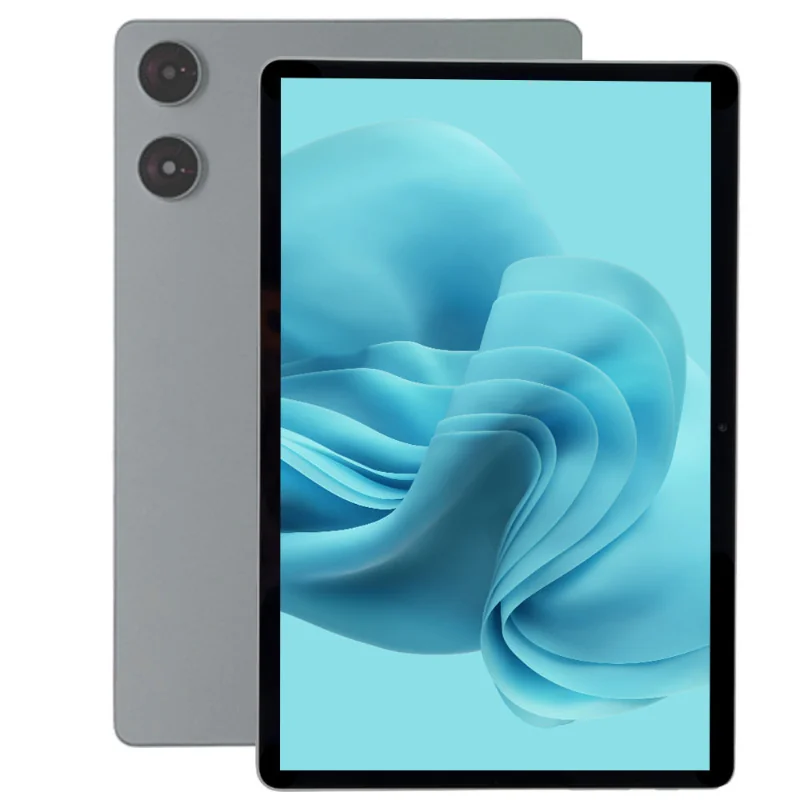
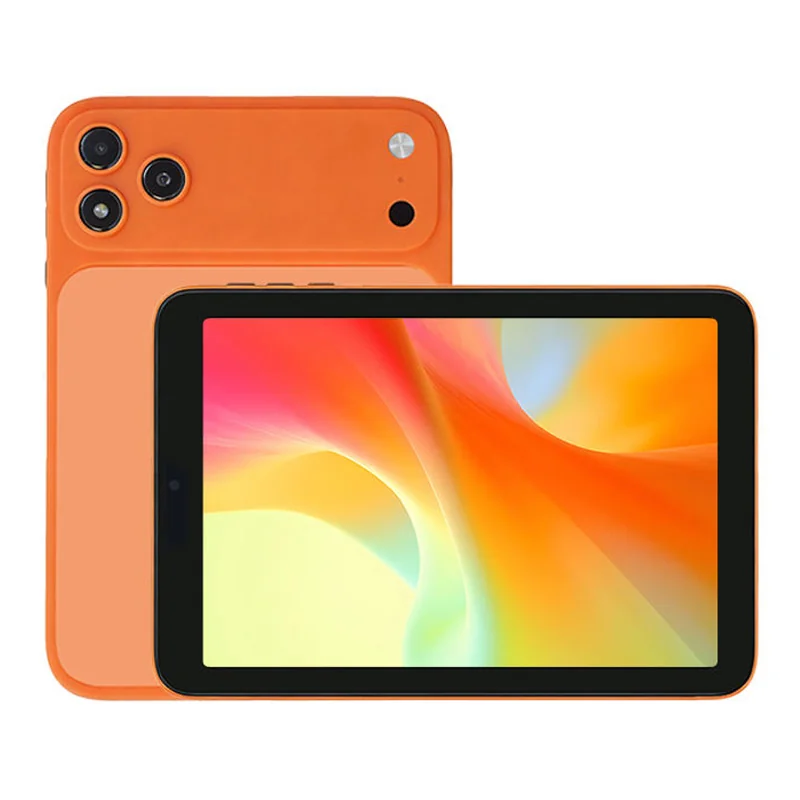
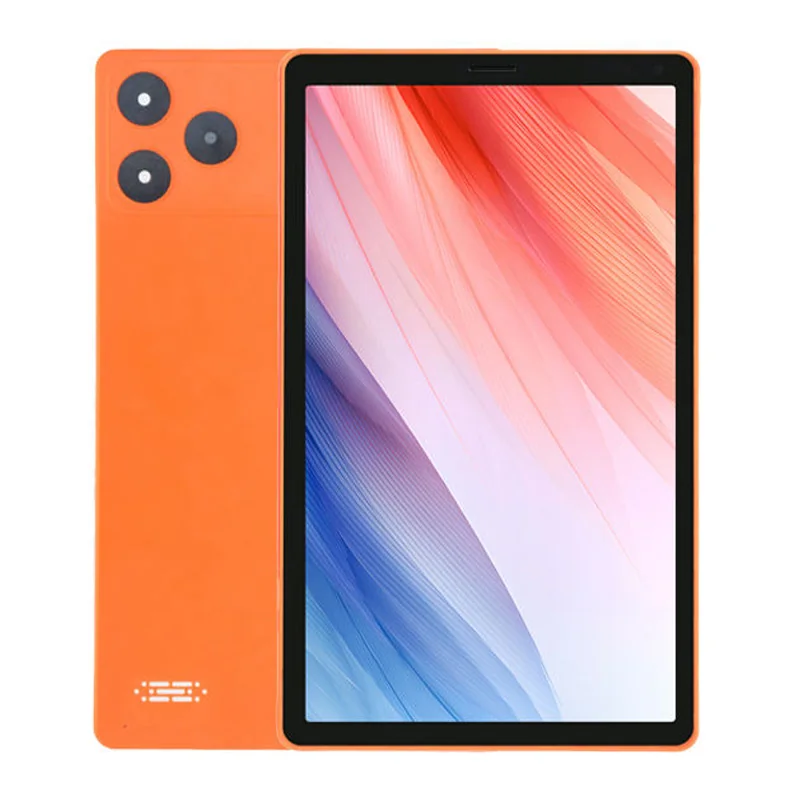
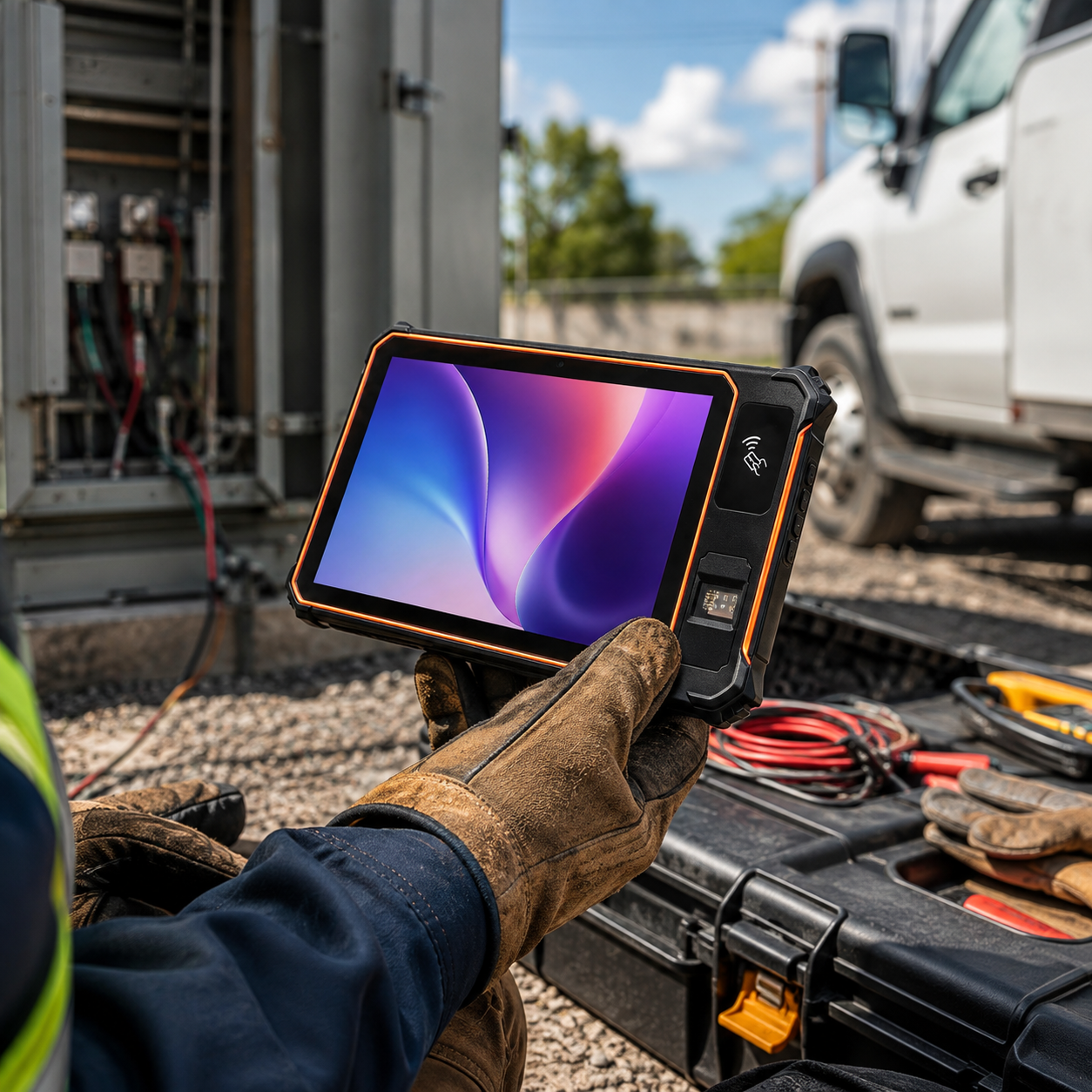
Wintouch’s business-tablet line (A80-A, A50, A136) ships with Android 12–16, Google GMS pre-certified, and supports Android Enterprise zero-touch enrollment — so your certification lead time starts from a pre-cleared base, not from scratch. For volume buys (500+ units) we provide direct factory pricing, certification support (CE/FCC/GMS), and full spec-sheet transparency before tooling.
→ Request a quote or sample for your Android POS migration. Share your target market, store count, and go-live window and we will return a timing-feasible hardware + certification package within 48 hours.
References: Android POS Market Migration Guide 2026 (market forces, specs, certification paths); Windows vs Android POS: Real TCO (cost model); POS Tablet Payment Compliance (certification checklist); external standards: Microsoft Windows 10 lifecycle, PCI SSC PIN Transaction Security, Google Mobile Services.