Every Android version upgrade forces procurement and IT teams into a familiar question: will this one break the fleet? With Android 17, the stakes are higher because the compatibility surface for kiosk lockdown, device provisioning, and security compliance is shifting — not just the version number. For enterprises running retail POS, digital signage, or logistics tablets, the decision isn’t just “when to upgrade” but “whether to replace hardware, re-certify software, or renegotiate your OEM support policy.”
Android 17 does not eliminate kiosk mode or Android Enterprise, but it changes which lockdown methods remain supported, which app target levels are accepted, and how devices must be provisioned. For fleets running custom launchers on older AOSP branches, that means a re-certification and re-provisioning effort — not a simple over-the-air update. The lowest-risk path is engaging an OEM that publishes a signed Android 17 compatibility matrix and backs it with a written OS-upgrade commitment.
Why Android 17 is a migration decision, not a version checkbox
Most procurement content on Android 17 focuses on new features or generic kiosk-mode tutorials. What gets ignored is the operational cost of migration. Android 17’s likely changes to DevicePolicyManager, ManagedProvisioning, and device-owner enforcement will affect how your MDM enrolls devices, how your apps are whitelisted, and whether your current lockdown method is still compliant. The exact API deprecations won’t be public until Google finalizes the release, but the procurement question is already clear:
- Which of your existing apps rely on deprecated device-admin or screen-pinning patterns? Those may need repackaging or exemption justifications.
- Does your tablet OEM supply a model-specific compatibility report for Android 17 — or only a generic “will support” statement?
- What is your MDM vendor’s certification timeline for Android 17? Incomplete MDM integration is the most common cause of failed kiosk rollouts, not the OS itself.
If you’re evaluating multiple suppliers for a fleet refresh, the version number matters less than the vendor’s ability to produce evidence of Android 17 readiness. That’s a different bar than the spec-sheet comparisons you’ll find elsewhere.
Where migration bites hardest: three real-world scenarios
Procurement teams often ask us which environments are most exposed. Based on our work coordinating Android 10 and Android 13 fleet migrations for OEM partners, the failure points are consistent:
Retail POS and payment applications
Payment and accessibility-driven apps face the sharpest scrutiny. If your current APK doesn’t meet the target API level that Android 17 requirements imply for managed devices, it could lose Google Play certification. That leaves you with a choice: sideload on a locked-down board (risky for PCI compliance) or re-develop against the new SDK.
Digital signage and 24/7 displays
Newer Android power-management policies sometimes introduce sleep or dialog behavior that interferes with always-on screens. Verify that your OEM’s build includes a proper device-owner configuration that suppresses such interruptions — most “kiosk” claims from budget suppliers don’t survive a 72-hour power-cycle test.
Logistics scanning and rugged handhelds
Scanner drivers, Bluetooth pairing modules, and location-based triggering often depend on permission models that Android tightens with each release. A simple APK update may not be enough; plan for HAL-level driver validation by your hardware vendor.
Our Android 17 enterprise tablet procurement guide walks through the version-selection strategy if you’re deciding between Android 14, 15, or 17 for a new rollout. This page focuses on the migration mechanics that follow that decision.
Evaluating Android 17 readiness: a procurement comparison table
Instead of comparing kernels or RAM minimums that vary by build, hold your OEM and MDM vendors to these decision-relevant criteria. This is the difference between a marketing promise and a migration-ready tablet.
| Evaluation criterion | What to ask your OEM | Why it decides your budget |
|---|---|---|
| App target-level enforcement | Will Android 17 on this build enforce a minimum target SDK for all sideloaded or Play apps? | Determines whether your current APK will even run or requires a re-release. |
| Lockdown implementation | Does the build use the official Android Enterprise device-owner model or a modified AOSP launcher? | Custom AOSP patch sets often break under stricter certification checks. |
| Provisioning and zero-touch | Does factory enrollment work with your MDM under Android 17? How long does a fresh device take from boot to locked-down state? | Stricter enrollment flows can add 30–50% per-device provisioning time, affecting rollout labor. |
| Security patch commitment | What is the guaranteed monthly/quarterly patch cycle for this specific tablet? For how many years? | May affect GDPR, PCI, and cyber-insurance compliance for your deployment. |
| Hardware driver validation | Have the Wi-Fi, Bluetooth, scanner, and PIN-pad drivers been validated on a signed Android 17 build? | Unvalidated drivers are the top cause of post-migration field failures. |
De-risk your migration: a 6-step procurement checklist
- Audit your existing apps against the latest Android API level using a tool like AppCompat Tester — run this before you issue an RFP, so you know what the migration scope actually is.
- Request a signed Android 17 compatibility report from your OEM, not a spec sheet. Ask for model-level test results that cover your scanning, payment, or signage peripherals.
- Run a 48-hour pilot on 5–10 devices in your real network environment, including enrollment, reboot cycles, and a forced policy push before approving fleet expansion.
- Verify MDM support for Android 17’s platform lock settings. If your MDM hasn’t certified the new OS, that’s a stop sign, not a workaround.
- Budget for longer provisioning — stricter enrollment flows typically add per-device setup time. Plan your rollout staff accordingly.
- Secure a two-year advance replacement schedule from your vendor so you’re never stranded on an unsupported firmware revision.
When skipping Android 17 is the lower-risk procurement move
Not every fleet needs to move at launch. If you operate under 500 units, have no in-house Android engineering team, and your current Android 13 or 14 devices have stable drivers, staying on a long-term-supported version is a defensible decision — provided your OEM can commit to a spare-parts and security-patch horizon that matches your deployment lifecycle. Document that choice, because unsupported Android versions increasingly factor into insurance policy reviews and compliance audits. Ask your underwriter or legal team how they treat OS end-of-life dates.
FAQ: Android 17 and kiosk migration
Will Android 17 break existing kiosk apps that use lock task mode?
Lock task mode as a concept remains, but the enforcement path may change. Apps that rely on deprecated device-owner or screen-pinning permissions could require re-release against the new target API. A compatibility test on an actual Android 17 build is the only way to know for your specific APK.
How many OS updates must an enterprise tablet support for compliance?
There is no single rule, but EU and US data-protection frameworks generally expect the OS to receive security patches for the device’s useful life. Many procurement teams now treat “three OS upgrades plus three years of security patches” as a baseline requirement. Get that commitment in writing from your OEM.
What is the minimum hardware spec to run Android 17 in kiosk mode?
It depends on the OEM build and your app load. Rather than chasing a RAM number, test your actual workload on a sample unit. A reliable indicator is an OEM that publishes a signed compatibility matrix for its models, such as the Wintouch Snapdragon 685 business tablet, rather than a generic statement.
Can I migrate my current Android tablet to Android 17 without changing the hardware?
Some devices will receive the OS update; many won’t. The deciding factors are the chipset vendor’s support and your OEM’s upgrade commitment. Ask your manufacturer whether your exact model is on the Android 17 roadmap and request the official upgrade schedule in writing.
Ready to evaluate compliant Android 17 tablets?
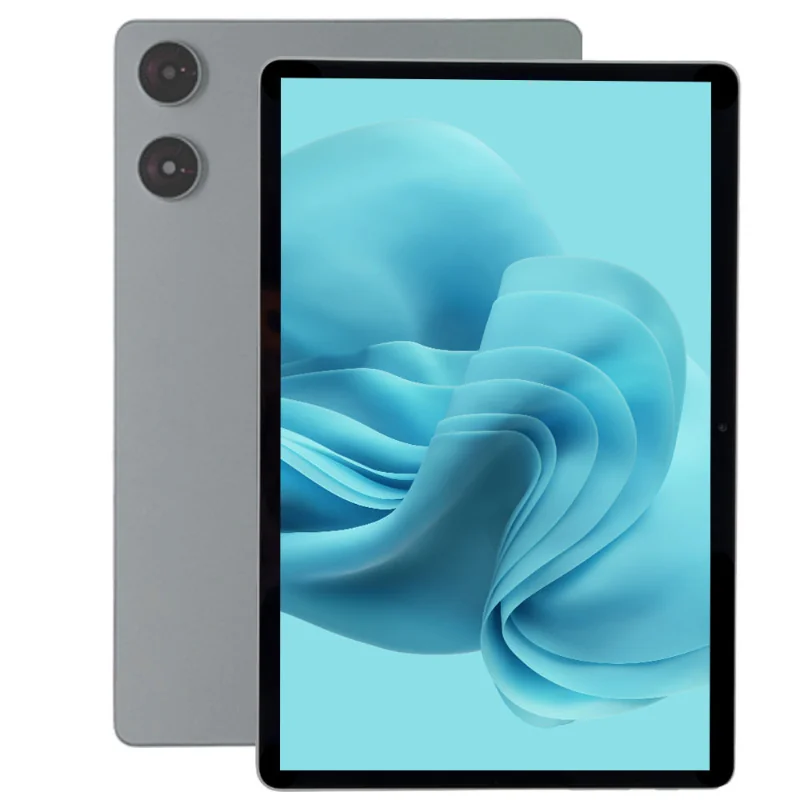
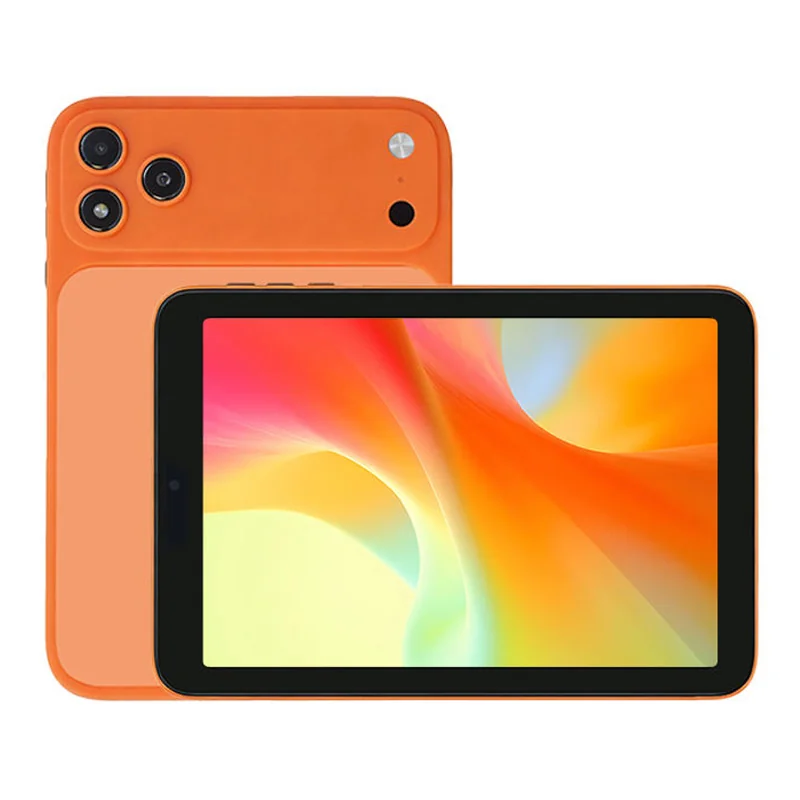
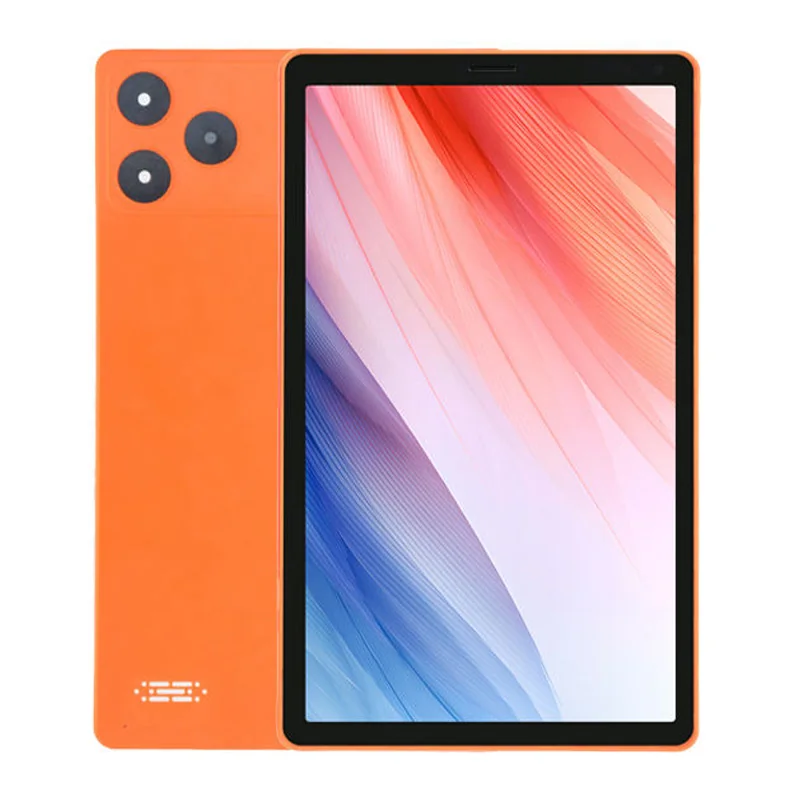
Before you commit budget to a migration, get a gap analysis that covers your actual app stack and provisioning flow. At Wintouch, we test each Android 17 build across our business tablet line before it ships, and we publish model-level compatibility notes for our OEM and distribution partners. Request our Android 17 compatibility assessment and a quote for migration-ready tablets — include a signed compatibility report and OS upgrade schedule with your quotation. Our T616 11.97-inch business tablet and T606 10.36-inch model are common starting points for retail and logistics fleets. For a broader view of the version-selection decision, see our Android 17 procurement guide, or reach out directly to schedule a pilot deployment slot.