Android 17 vs Android 16 in 2026: Which Version Should Enterprise Tablet Buyers Spec?
Android 17 (API 37, “Cinnamon Bun”) reached general availability on June 16, 2026, but that does not mean your next enterprise tablet fleet should ship on it. For OEM and volume buyers, the practical answer to “which version to bet on in 2026” is: deploy Android 16 (API 36) today, spec hardware that is Android 17-ready, and let the certified AOSP build land from Q1 2027. Android 16 remains the only version Google has certified for broad deployment across OEMs, carriers and enterprise MDM stacks; Android 17’s enterprise-ready AOSP builds are only now arriving from tier-1 OEMs. Betting your whole refresh cycle on a version that isn’t deployable yet converts a procurement decision into an avoidable support risk.
Why this decision matters to a B2B buyer
In consumer phones the “latest version” question is a marketing badge. In an enterprise or OEM tablet fleet it is a multi-year, multi-thousand-unit commitment: GMS certification, security-update windows, MDM compatibility, app target-level deadlines and the cost of re-certifying a custom ROM. Choosing the wrong version strands your fleet on a support cliff or forces an early, unplanned refresh. The Android 16 lifecycle and Windows-to-Android migration decisions you already made now feed directly into which version you spec for the next purchase.
Where Android 16 and Android 17 actually stand (as of late 2026)
| Factor | Android 16 (API 36) | Android 17 (API 37) |
|---|---|---|
| Release | June 10, 2025 | June 16, 2026 |
| Broad enterprise/OEM deployment | Yes — currently the certified standard | Rolling out; AOSP builds from tier-1 OEMs from late Q3–Q4 2026 |
| Google Play target-API deadline | Required now | Required for new/updated apps from mid-2027 (exact date TBC) |
| Large-screen fixed orientation | Optional opt-out | Removed — all API 37 apps must support free-form orientation on ≥600dp displays |
| Certificate Transparency (CT) | Available as option | Enabled by default for apps targeting API 37 |
| SMS OTP handling | Standard | Programmatic access to OTP SMS delayed ~3 hours for most apps |
| Security-support status | Active | Active |
The three things that actually change a tablet spec
For an enterprise tablet buyer, only three Android 17 changes alter the hardware or integration decision you need to make this cycle — and none of them can be found in a consumer phone review. They are the mandatory large-screen orientation rule, Certificate Transparency enforcement, and the delayed SMS OTP read. Here is what each one does to a POS, kiosk or digital-signage deployment:
- Large-screen orientation becomes mandatory. From API 37, apps can no longer lock fixed orientation on 600dp-and-wider displays. If your POS, kiosk or digital-signage app hard-codes portrait or landscape, it must be made adaptive before it can target Android 17 — a real integration cost to plan for.
- Certificate Transparency is on by default. Apps targeting API 37 must serve compliant, logged certificates with sufficient Signed Certificate Timestamps. Your payment or authentication stack should be verified against this before you commit to an Android 17 fleet.
- SMS OTP is delayed ~3 hours. Most apps that auto-read one-time-passwords from SMS are affected (SMS Retriever API is exempt). This is a silent break for login / activation workflows that read OTPs directly.
None of these break your fleet overnight, but all three are the kind of subtle integration issues that surface after a large batch ships. Testing a sample on an Android 16 build that is Android 17-API-compatible is the lowest-risk path. Google documents these behavior changes on the official Android 17 behavior-changes and Android 16 pages, and the Play target-level policy on Google’s Play policy help.
De-risking your 2026–2027 refresh
- Deploy Android 16 now. It is certified, actively patched, and its EOL window is comfortably beyond your next refresh cycle. It is the safe floor.
- Spec hardware that is Android 17-ready. Confirm with your OEM that the platform (SoC, drivers, AOSP source) is on the Android 17 upgrade path, so the same hardware can move to API 37 without a hardware change.
- Plan the app target-level migration. Google Play requires API 37 targeting from mid-2027. Put the orientation, CT and OTP checks on your 2026 Q3/Q4 integration backlog, not a 2027 fire drill.
- Ask for the certified AOSP build, not just “Android 17.” For an OEM tablet, the version you get is the certified Android Enterprise build — confirm GMS certification and the security-update commitment in writing before committing MOQ.
How an OEM partner removes the risk
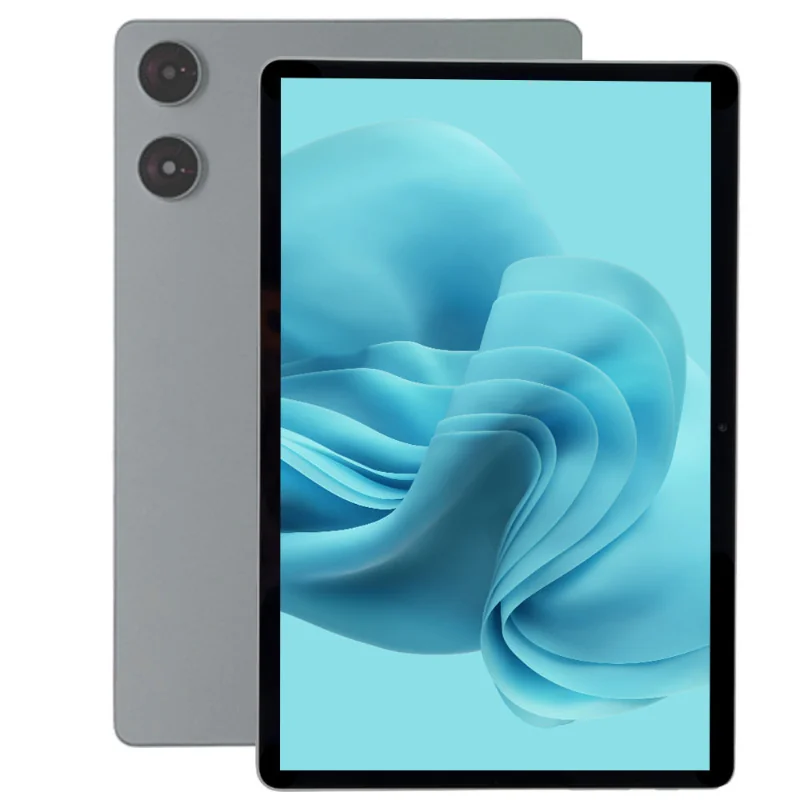
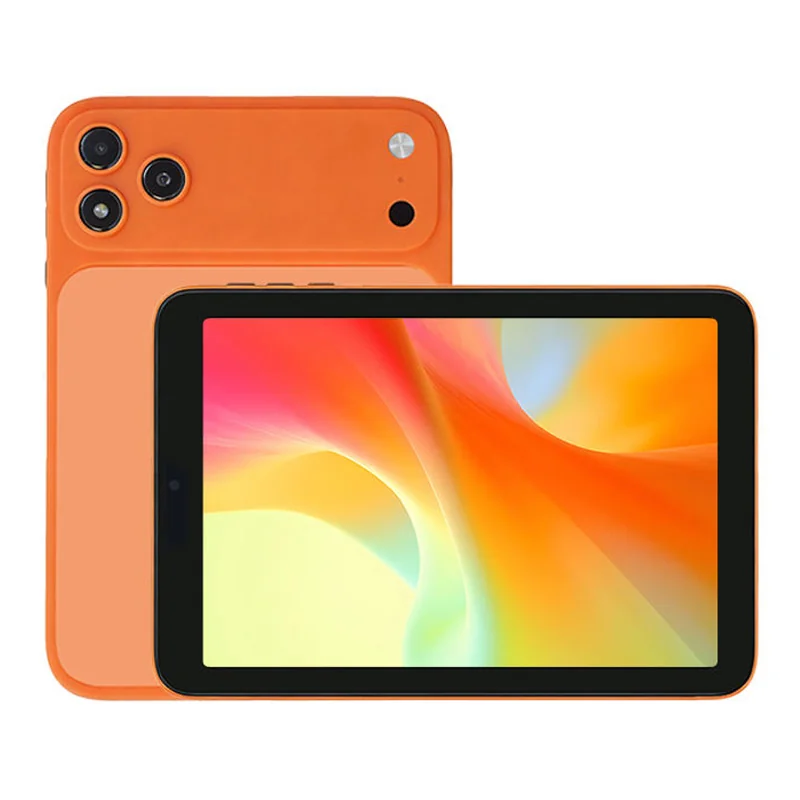
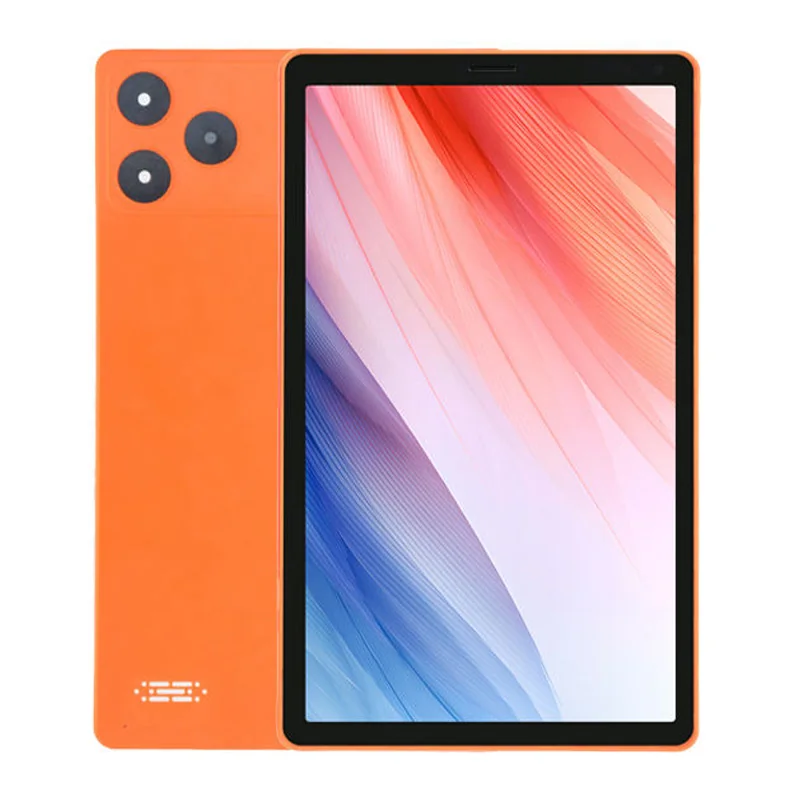
With an OEM partner, the version question is answered in the hardware spec, not the marketing sheet. Ask your manufacturer to lock in three things: the current Android 16 certified build, the documented Android 17 upgrade path for the same motherboard, and a stated security-update window. That is what separates a supplier from a partner on a fleet-scale refresh.
Frequently asked questions
Should my enterprise tablet fleet run Android 16 or Android 17 in 2026?
Deploy Android 16 now. It is the only version with broad GMS certification across OEMs, carriers and enterprise MDM stacks, and it is actively patched with an EOL window beyond your next refresh. Spec hardware that is Android 17-ready so the same units can move to API 37 from Q1 2027 without a hardware change.
What does the Android 17 target-API deadline mean for me?
Google Play will require new and updated apps to target API 37 from mid-2027 (exact date still to be confirmed). If your POS, kiosk or signage app is on the Play Store, put the orientation, Certificate Transparency and SMS OTP fixes on your 2026 Q3/Q4 backlog rather than a 2027 fire drill.
Which Android 17 changes actually affect a tablet spec?
Three: fixed orientation becomes mandatory-free on 600dp-and-wider displays, Certificate Transparency is enabled by default for API 37 apps, and programmatic SMS OTP reads are delayed about 3 hours. All three are integration costs to plan for before a large batch ships, not overnight fleet breakers.
What should I demand from my OEM before committing MOQ?
In writing: the certified Android 16 build, a documented Android 17 upgrade path on the same motherboard, and a stated security-update window. The version you get on an OEM tablet is the certified Android Enterprise build, not a marketing badge.
Next step
Unsure which Android version to spec for your next business-tablet batch? Request a quote and a datasheet with the certified OS build and upgrade path for each platform — Wintouch ships GMS-certified Android builds on business tablets (T616, Snapdragon 685 and T606 series) with documented Android 16-to-17 upgrade paths. Request a quote or sample to evaluate the current certified build.