Tablet Industry Reshuffle 2026: 3 Signals Every B2B Buyer Must Read
If your business buys tablets in volume — for POS, logistics, education, or enterprise deployment — the manufacturer you choose this year will determine whether your supply chain holds or breaks in 2027.
Q1 2026 just delivered the clearest signal yet: the tablet industry is not shrinking. It is reshuffling. And the reshuffle has winners and losers that directly affect your procurement options, pricing, and lead times.
Here are the 3 signals every B2B buyer should read — and what to do about them.
Signal 1: The Big Get Bigger, the Weak Get Weaker
The Q1 2026 IDC data draws a razor-sharp line through the tablet market. Three vendors grew. Three shrank. There was almost no middle ground, as analyzed in detail by Business Stats’ vendor share tracker.
| Vendor | Q1 2026 Share | Q1 2025 Share | YoY Shipments | Verdict |
|---|---|---|---|---|
| Apple | 40.1% | 37.2% | 14.8M (+8%) | ▲ Growing |
| Samsung | 16.5% | 19.0% | 6.1M (-13%) | ▼ Declining |
| Lenovo | 9.5% | 7.6% | 3.5M (+25%) | ▲ Growing |
| Huawei | 8.4% | 7.6% | 3.1M (+11%) | ▲ Growing |
| Xiaomi | 7.0% | 8.1% | 2.6M (-14%) | ▼ Declining |
| Others | 18.5% | 20.5% | 6.9M (-9%) | ▼ Shrinking |
Source: IDC / Omdia. Total market essentially flat at ~37 million units.
What this means for B2B buyers:
- Tier-1 brands are consolidating power. Apple now commands 40% of the market — more than double Samsung. If your deployment depends on a single consumer brand, you are exposed to that brand’s pricing and availability decisions.
- Samsung’s 13% decline is a procurement risk signal. When a major vendor loses share in a flat market, mid-cycle SKU changes, EOL announcements, and supply reallocations follow. B2B buyers with Samsung-dependent fleets should audit their 12-month roadmap now.
- Lenovo’s 25% growth and Huawei’s 11% growth show where the Android enterprise market is migrating. Both grew on the back of commercial, education, and government contracts — not consumer impulse buys. This is the segment most relevant to B2B procurement.
Signal 2: The Memory Crunch Separates Survivors from Casualties
The memory market is the hidden driver behind this reshuffle. TrendForce reports DRAM prices are up 90–95% year-over-year in Q1 2026, with another 58–63% projected for Q2. NAND flash is up 55–60%, with Q2 projected at 70–75%.
Consumer brands that rely on high-volume, thin-margin models are squeezed hardest. When the bill of materials jumps 15–25% on memory alone, the $149 consumer tablet becomes unprofitable. That is why Samsung and Xiaomi — both heavy in the budget-to-mid consumer segment — declined while Apple (premium) and Lenovo/Huawei (commercial mix) grew.
For B2B tablet buyers, this creates three specific risks:
- Consumer tablets repurposed for business use are becoming more expensive and less available. If your current procurement model is “buy retail Samsung Galaxy Tabs and enroll them in MDM,” expect price increases and SKU churn.
- Smaller ODM factories without memory-buffer stock are missing delivery windows. When memory allocation tightens, factories with smaller purchasing power get deprioritized by chip vendors.
- Brands that hold buffer inventory and have direct NAND/DRAM allocation contracts can protect lead times. This is the structural advantage of factory-direct sourcing.
Signal 3: The Spec Floor Is Rising — and B2B Can’t Afford to Settle
In a flat 37-million-unit market, growth belongs to devices that clear a new performance baseline. The “good enough” Android tablet of 2023 — 2GB RAM, 32GB storage, HD display — is now a liability.
Here is the new B2B tablet spec floor for a 24–36 month deployment lifecycle:
| Spec | 2023 Baseline | 2026 B2B Minimum | Why It Matters |
|---|---|---|---|
| RAM | 2–3GB | 4GB+ (8GB for AI workloads) | Android 14+ and MDM agents consume 1.5–2GB at idle. AI features in Android 16 need headroom. |
| Storage | 32GB | 64GB+ (128GB for offline data) | App updates, offline content caches, and OS partitions eat 32GB in under 18 months. |
| Display | 1280×800 | 1920×1200 (2K minimum for 10″+) | UI legibility for enterprise apps, digital signage, and customer-facing POS. |
| Battery | 5000mAh | 6000–7500mAh | 8–10 hour shift coverage without mid-day charging logistics. |
| Connectivity | WiFi-only | 4G LTE minimum | Field service, logistics, and retail deployments can’t depend on client WiFi. |
| OS | Android 12/13 | Android 14+ (Android 16 preferred) | Security patch eligibility and Google Mobile Services certification windows. |
Devices that fall below this floor are not cheaper — they are more expensive over the lifecycle because they force early replacement, create IT support tickets, and fail application compatibility tests.
What This Means for Your Next Tablet RFQ
The three signals converge on one procurement principle: factory-direct OEM sourcing with verified buffer stock is the lowest-risk path through 2026–2027.
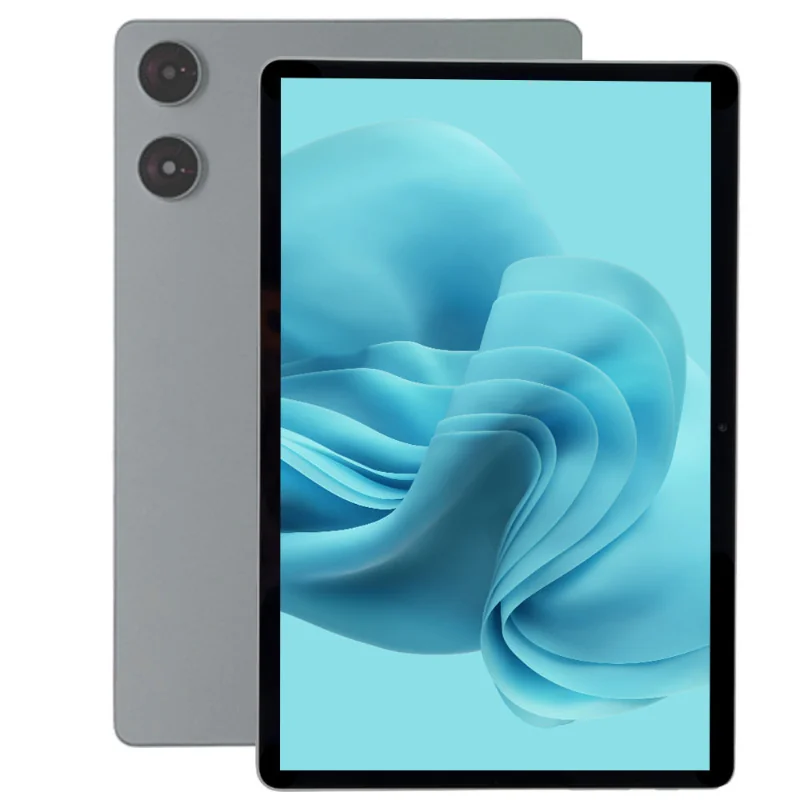
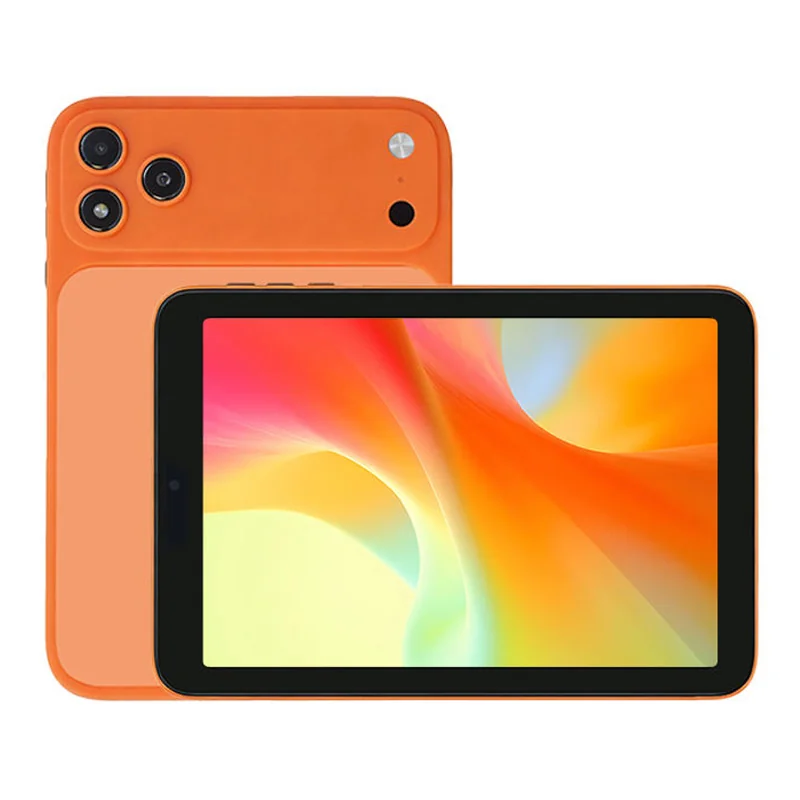
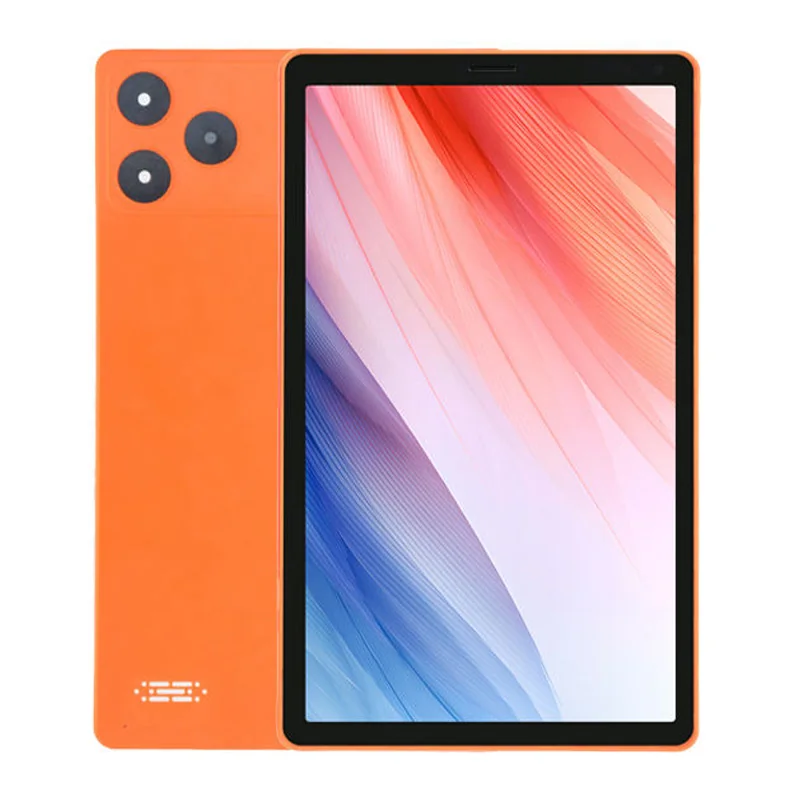
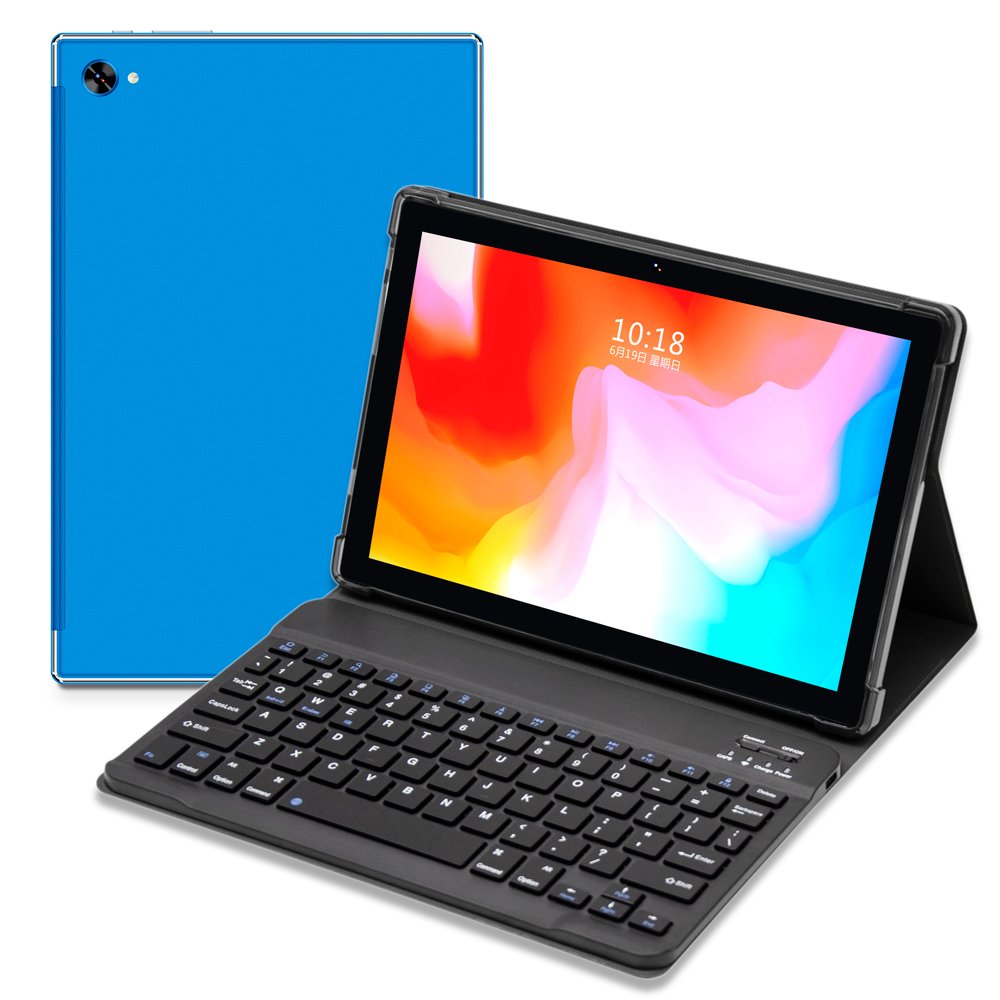
Wintouch ships three enterprise-grade tablets that map directly to the reshuffle playbook:
A136 — Premium Performance, Future-Proofed
- MediaTek Helio G99 octa-core 2.0GHz
- 8GB DDR3 + 256GB storage (+256GB SD)
- 10.36″ 2K IPS (2000×1200)
- 7000mAh battery
- Android 13 (upgradable)
- CE / FCC / RoHS / GMS certified
- Best for: Enterprise mobility, digital signage, customer-facing terminals, high-load MDM environments
A80-A — Android 16 Ready, LTE Built-in
- All Winner A333 quad-core
- 4GB + 64GB
- 10.1″ IPS (1280×800)
- 6000mAh, 8–10 hours
- Android 16.0 — latest OS, longest security-patch runway
- 4G LTE + WiFi 802.11ac + BT 5.0
- CE / FCC / RoHS / GMS
- Best for: Field service, logistics scanning, retail POS, government/education fleets
A16 — Large Display, Lean Budget
- Unisoc T616 octa-core 2.0GHz
- 4GB + 128GB (+256GB SD)
- 11.97″ 2K IPS (1200×2000) — near 12-inch canvas
- 7500mAh battery
- Android 14
- CE / FCC / RoHS / GMS
- Best for: Digital signage, training tablets, customer kiosks, large-format POS
Your 3-Step B2B Tablet Procurement Playbook for H2 2026
- Audit your current fleet against the 2026 spec floor. Any device below 4GB RAM or without LTE should be flagged for phased replacement. The memory crunch means replacement units will not get cheaper later.
- Lock in samples and pricing before Q3 memory contracts reset. DRAM and NAND contract prices are renegotiated quarterly. Q3 2026 projections show another 20%+ increase. An RFQ submitted in August will reflect higher component costs than one submitted now.
- Move to factory-direct OEM with a published BOM and buffer-stock transparency. Consumer retail channels cannot guarantee SKU continuity or volume allocation. A factory-direct relationship gives you line-of-sight into component availability and the ability to reserve production slots.
FAQ
Is the tablet market actually growing or shrinking?
Unit shipments were essentially flat in Q1 2026 at ~37 million units. But “flat” masks the reshuffle: Apple, Lenovo, and Huawei grew while Samsung, Xiaomi, and smaller vendors shrank. The market is not contracting — it is concentrating.
Why did Samsung lose 13% in tablets while Lenovo gained 25%?
Samsung’s tablet portfolio skews consumer. In a memory-constrained market, consumer tablets at the $150–300 price point face the worst margin compression. Lenovo’s growth came from commercial, education, and government contracts — segments with higher average selling prices and multi-year commitments.
How much will the memory crunch affect tablet pricing by end of 2026?
DRAM is projected to rise another 58–63% in Q2 alone (TrendForce, April 2026). By Q4 2026, a tablet that cost $120 ex-factory in January could cost $145–160 — a 20–33% increase driven almost entirely by memory. Budget devices without price flexibility will be discontinued or spec-downgraded.
Can a factory-direct OEM actually protect me from component shortages?
Partially — no factory is immune. But a factory-direct OEM with buffer stock and pre-allocated NAND/DRAM contracts can absorb 4–8 weeks of supply disruption that would force a retail-channel SKU to go out of stock. The difference is often the gap between a delayed deployment and a cancelled project.
Request a Quote: 2026-Proof Your Tablet Fleet
Wintouch ships OEM/ODM Android tablets factory-direct from Shenzhen with CE, FCC, RoHS, and GMS certification. All models support custom branding, firmware, packaging, and hardware configuration. MOQ starts at 500 units.
What to include in your inquiry:
- Target model (A136 / A80-A / A16)
- Order volume and deployment timeline
- Destination market (for certification and GMS requirements)
- Customization needs (logo, firmware, packaging, accessory bundling)
Request a Sample or Quotation →
Or browse our full enterprise tablet lineup: Wintouch Business Tablet Catalog