Rugged & Industrial Tablets Wholesale: The 2026 Procurement Guide
Buying rugged or industrial tablets wholesale in 2026 is a procurement process, not a purchase order. The margin you protect comes from how you run the RFQ, negotiate MOQ and lead time, gate quality with inspection, and structure Incoterms and payment before you sign. The reliable path is to source directly from an OEM factory, where 30–60% cost savings, custom firmware and compliance documents sit at the same place as production, and to de-risk the deal with samples, an AQL inspection and phased payments. A standard wholesale order from an Asian OEM factory typically carries a 30% deposit / 70% balance structure and an MOQ between 100 and 1,000 units depending on whether the model is white-label or fully custom.
Why 2026 wholesale buys fail — and how the process fixes it
Wholesale buyers rarely lose on unit price; they lose on what the price hides. A quoted cost per unit means nothing if the MOQ forces 2× your cash outlay, the lead time slips past your launch date, the batch ships with cosmetic or functional defects, or the payment terms put your deposit at risk. The tablet-POS segment is growing at roughly 13.4% CAGR and over two-thirds of fleet deployments are cloud-managed, so volume buyers are multiplying — but so is the number of traders and drop-shippers who quote cheap and deliver headaches.
This guide walks the full procurement sequence an OEM-factory buyer should run, in order: specify the requirement, RFQ the factory, validate MOQ and landed cost, sample and inspect, structure payment, and plan long-term support.
Step 1 — Specify the real environmental duty, not the marketing spec
Industrial tablets live where consumer and business tablets die: heat, dust, vibration, drops, and long powered-on shifts. Before you send an RFQ, lock down the numbers that actually drive cost. The table below sets the baseline a genuine industrial tablet should meet.
| Requirement | Baseline for industrial use | Why it matters |
|---|---|---|
| Ingress protection | IP65+ (dust-tight, water-resistant) | Dust and splash are the #1 field failure triggers |
| Drop rating | MIL-STD-810G 1.2m+ to concrete | Determines housing and corner-bumper engineering |
| Operating temp | -20°C to +60°C storage, wider range optional | Fails silently in unheated warehouses or trucks |
| Sunlight readability | 600+ nits / bonded display | Outdoor and vehicle use demand high-brightness panels |
| Battery duty-cycle | Hot-swap / field-replaceable option | 24/7 kiosk and fleet use need swappable power |
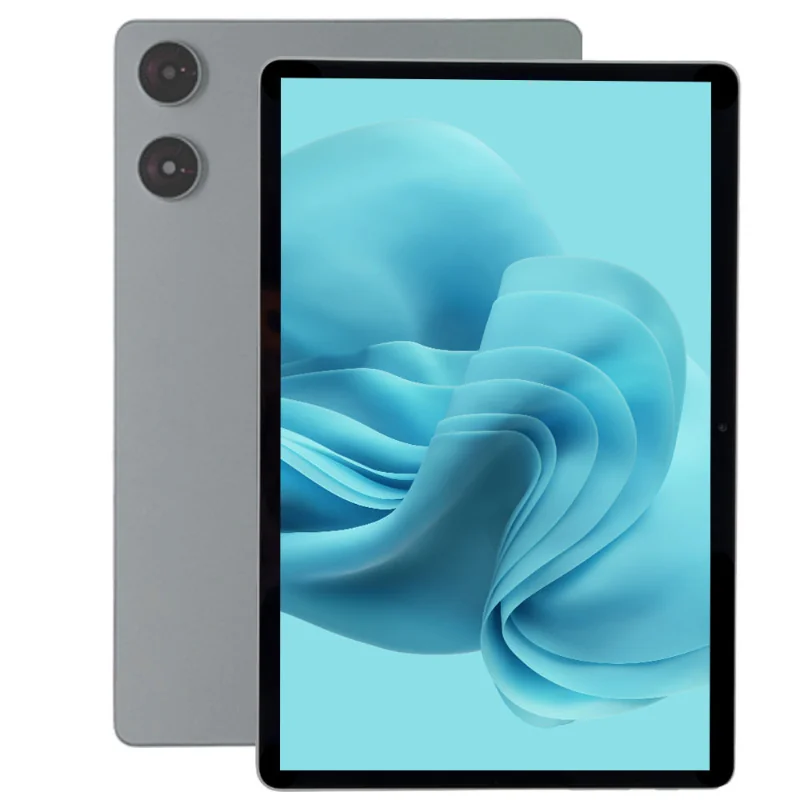
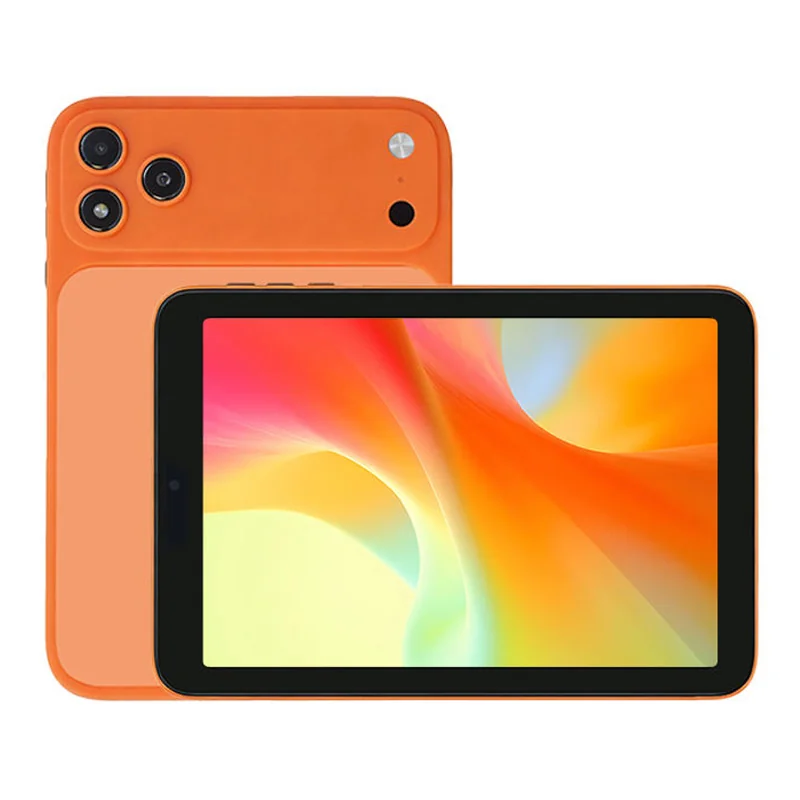
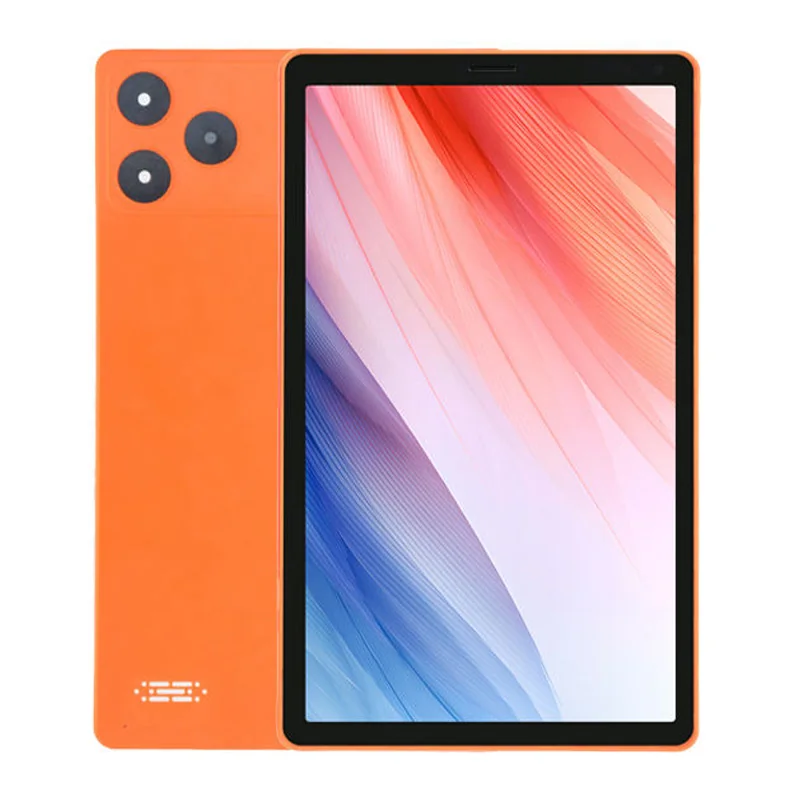
Clarify one thing upfront: many buyers use “rugged” loosely and over-specify, paying for MIL-STD enclosures they don’t need. The IP (Ingress Protection) code itself is defined by the IEC 60529 standard — a second digit of 6 means dust-tight, while the first digit denotes liquid protection on a 0–8 scale. If your deployment is indoor retail, POS, or logistics on a cart, a business-grade Android tablet with a protective case may deliver 90% of the durability at a fraction of the cost. Our 11.97-inch business tablet and 10.36-inch model cover that commercial tier. Match the spec to the actual environment, and you buy exactly what you need.
Step 2 — Run a written RFQ: what to send and what to demand back
A vague “quote me rugged tablets” invites a vague (or padded) response. Send a structured RFQ that forces the factory to answer in writing, covering at minimum the six points below.
- Exact model or the spec sheet you want matched.
- Target quantity and expected delivery window.
- OS version and Android security-patch level required.
- Customization scope (boot logo, firmware, MDM pre-enrollment, branding, packaging).
- Certifications required for your market (CE, RoHS, FCC, GMS, local telecom).
- Request a written unit price at your MOQ, plus the price break at higher quantities.
Demand the certification copies in the first exchange — a real factory sends them; a trader stalls. Confirm the factory can pre-load Managed Google Play and lock kiosk mode across your fleet before you commit. Asking for the exact Android Security Bulletin patch level in the RFQ is a fast way to separate a factory that maintains firmware from one that ships a single stale image.
Step 3 — Validate MOQ, lead time and landed cost, not just FOB price
FOB price is only the first line of your total cost. Wholesale buyers must model the full picture across the five factors below.
| Cost / factor | What to confirm | Common trap |
|---|---|---|
| MOQ | Per-model minimum, and whether a lower trial MOQ exists | Being locked into a 1,000-unit minimum you can’t absorb |
| Lead time | Sample time + production time + logistics to your port | Launch-date miss because lead time was quoted optimistic |
| Incoterms | Who owns freight, insurance and risk at each leg | EXW surprises: you pay all inland + ocean costs unknowingly |
| Duties & taxes | Import duty, VAT/GST, and any regional compliance fees | Undeclared landed cost erasing the wholesale margin |
| Customization | Tooling, firmware and packaging setup charges | One-off NRE fees hidden until the invoice |
Model per-unit landed cost (FOB + freight + insurance + duty + NRE amortized + QC) before comparing two factories. The “cheaper” quote often loses once all legs are priced. Incoterms 2020 rules, maintained by the International Chamber of Commerce, define exactly where freight, insurance and risk transfer on each leg — the same term (e.g. FOB) can change your total cost materially if the port or carrier differs.
Step 4 — Sample, pilot and inspect: the three QC gates that save you
Never skip these gates, regardless of how confident the factory sounds. They are the highest-leverage part of the whole buy.
- Sample gate: order 1-5 evaluation units, run your real workload, verify firmware, certs and build quality.
- Pilot gate: for a first order, consider a small pilot batch (or a low trial MOQ) before the full volume.
- Mass-production inspection: run an AQL (Acceptable Quality Limit) inspection — typically AQL 2.5 for critical/major defects, AQL 4.0 for minor — before shipment. Either hire a third-party inspector or arrange your own on-site check.
A standard AQL inspection catches cosmetic and functional defects at the factory, not in your customer’s hands. This single gate has the highest ROI of any procurement step. AQL sampling tables come from the ASQ acceptance-sampling standards (ANSI/ASQ Z1.4) — you can state the AQL level in the contract so both sides agree on what defect rate is acceptable before the batch is produced.
Step 5 — Structure Incoterms and payment terms to protect your cash
- Payment: avoid paying 100% upfront on a first order. A common structure is 30% deposit / 70% against the inspection report or bill of lading copy. Some factories accept T/T, others L/C for larger volumes.
- Incoterms: choose terms that match your logistics maturity. FOB and CIF are common for ocean freight; confirm insurance coverage for the transit leg.
- Escrow / inspection leverage: tying the balance payment to the QC pass gives you real leverage to fix defects before money leaves your control.
Step 6 — Plan spare parts and long-term support now
Industrial and fleet deployments run for years, so availability of spare batteries, chargers, cables and replacement units is a procurement decision, not an afterthought. Confirm the factory’s spare-parts supply window and per-unit warranty terms — a 5-year total cost of ownership view depends on it. Ask whether the OS and security patches are maintained for the life of your deployment; a factory that commits to patch updates for several years is the one that will still be answerable when your fleet reaches year three.
Frequently Asked Questions
What is the typical minimum order quantity (MOQ) for rugged tablets wholesale?
MOQs vary by customization level. A white-label order of an existing model typically starts around 100–300 units, while a fully custom build (new tooling, custom firmware, bespoke branding) usually requires 500–1,000 units or more. Always ask for both the standard MOQ and any lower trial MOQ, and confirm whether a small pilot batch is allowed before the full volume.
How do I verify a tablet factory is legitimate before paying a deposit?
Request certification copies (CE, RoHS, FCC) and a GMS/Managed-Google-Play statement in the first exchange, order 1–5 sample units and run your real workload, and offer to do a video or on-site factory walkthrough. Never pay 100% upfront on a first order — a 30% deposit / 70% balance against the inspection report or bill of lading is the standard protective structure.
What certifications do I need to import tablets into the EU or the US?
For the EU, CE marking with RoHS compliance is the baseline, plus RED (Radio Equipment Directive) for wireless devices. For the US, FCC certification covers radio emissions and you may need to check local telecom approvals. Ask the factory to supply the compliance documents for your target market in writing before you commit — a genuine factory provides them, a trader tends to stall.
What payment structure is safest for a first wholesale order?
The common safe structure is 30% deposit to start production and 70% paid against the inspection report or bill of lading copy. This ties your balance payment to the QC pass and gives you leverage to fix defects before full payment leaves your control. For very large volumes, a letter of credit (L/C) is a standard alternative.
Get a wholesale procurement quote from the factory
Stop paying reseller margins and start running the buy on your terms. Request a direct-from-factory RFQ response with written unit pricing at your MOQ, sample units, compliance documents, and a lead-time commitment. We manufacture business and POS tablets in our own facility with Android 14/16, low-MOQ white-label options, and full certification packs — and we’ll walk your QC and payment structure with you.