Retail Shrinkage: How Self-Checkout Android Tablets with Camera Integration Cut Losses in Unattended Stores
Retail shrinkage from self-checkout in unattended stores typically runs 1.5–3% of sales, driven by scan avoidance, sweethearting, and repeat offenders. Pairing Android point-of-sale tablets with integrated camera and AI-vision loss-prevention software has been shown to cut theft-driven shrinkage by 40–60% while keeping labor costs flat. For retailers deploying unattended or staff-light stores, the deciding factors are per-device cost, camera field of view, tamper resistance, and whether the device can run vision models on the edge. The fastest way to de-risk a rollout is to source an Android POS tablet with a hardware profile that supports camera integration out of the box, then certify your software stack against it before scaling.
Why self-checkout in unattended stores leaks money
Unattended and staff-light retail removes cashiers, but it also removes the human deterrent that prevented most theft. The losses cluster into a few predictable failure modes, each with a measurable price tag:
- Scan avoidance – shoppers pass items through without scanning, often high-value SKUs hidden under bags or in cart interiors.
- Sweethearting – a friend or insider skips scanning or under-keys items during the checkout flow.
- Ticket-switching – swapping a barcode for a cheaper one, a classic in grocery and home-improvement.
- Repeat-offender repeat loss – a small set of individuals drives most of the shrink; without identity linkage, the store keeps losing.
The industry benchmark is stark: shrink averages 1.5–3% of sales in self-checkout environments, and in some unattended formats it exceeds 5%. At those rates, a mid-size retailer gives up tens of thousands of dollars per store per year before rent and wages.
The fix: tablet + camera + on-device AI vision
The proven countermeasure is to make the checkout station itself the loss-prevention device. An Android self-checkout tablet equipped with a front-facing camera feeds frames to on-device vision models that detect scan-avoidance gestures, track item dwell time, and flag anomalies in real time — without sending video to the cloud or adding labor. Key capabilities to confirm before you buy:
- Integrated or expandable camera – minimum 8MP front-facing with a wide field of view (≥90°) that covers the scan zone and bagging area.
- Edge AI headroom – a CPU/GPU capable of running lightweight YOLO-class models on-device, so anomaly alerts are instant and privacy-safe.
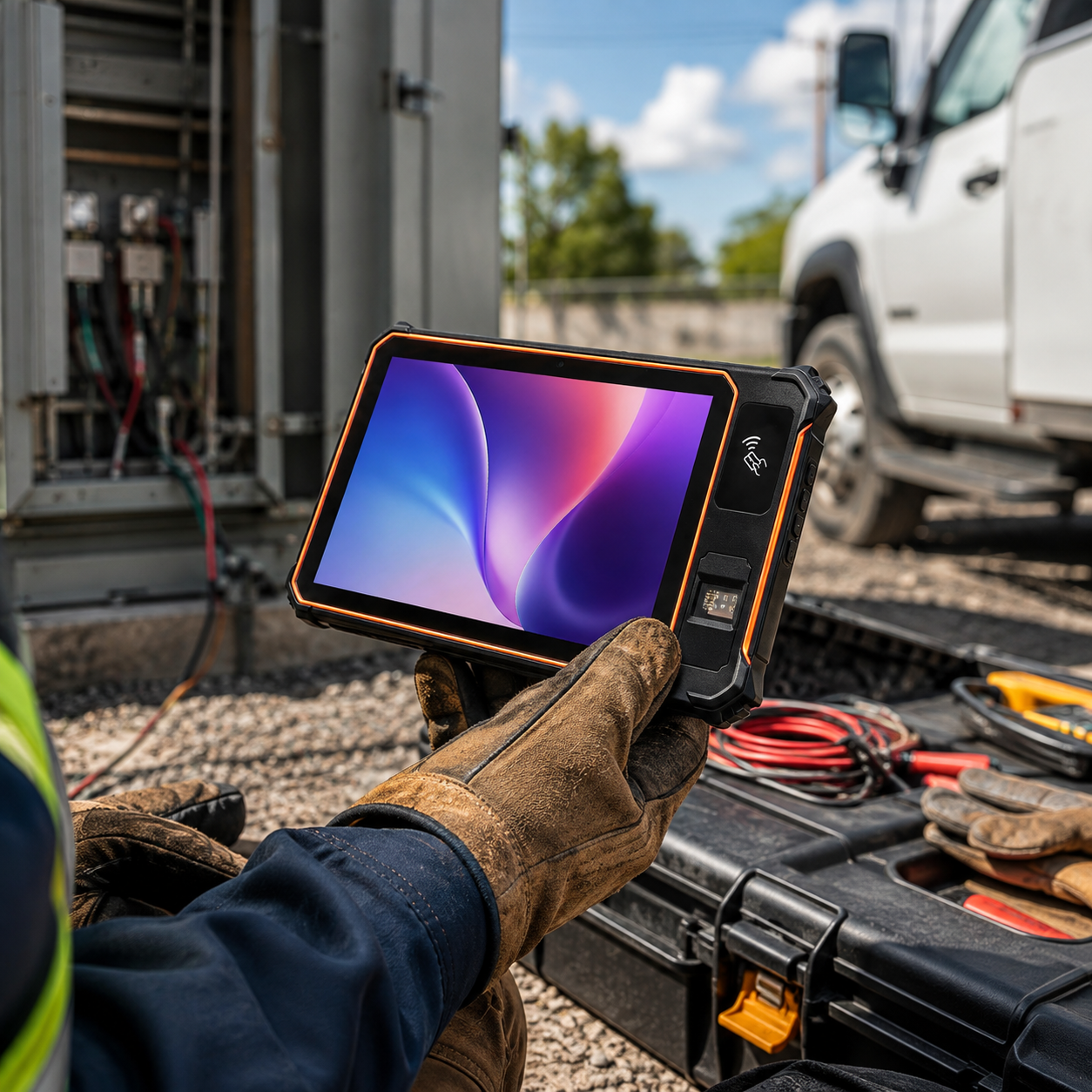
- Tamper-resistant chassis – a durable tablet with reinforced stand and lockable mount so a device can’t be lifted or damaged.
- Open OS with MDM support – Android 14/16 with zero-touch provisioning so you can manage hundreds of stations centrally. For the full provisioning playbook at 1,000+ units, see Zero-Touch MDM Deployment at Scale.
Deploying this stack has delivered 40–60% reductions in theft-driven shrink in monitored pilots, and it compounds because the same camera feeds also power footfall analytics, queue detection, and out-of-stock alerts — turning a security expense into a store-intelligence asset.
Spec comparison: what to check on the hardware spec sheet
| Capability | Minimum for loss prevention | Why it matters |
|---|---|---|
| Front camera | 8MP, ≥90° FOV, autofocus | Clear coverage of scan zone + bagging area |
| Processor | Octa-core, 2.0GHz+ with NPU/GPU | Runs on-device vision without cloud latency |
| Memory/Storage | ≥4GB RAM / ≥64GB | Local frame buffering + app + OS headroom |
| Connectivity | Wi-Fi 6 + optional 4G/5G | Reliable POS + remote updates in store |
| Battery | 8,000–10,000mAh, hot-swap optional | Unattended uptime + power-fail resilience |
| OS & provisioning | Android 14+, zero-touch + MDM | Central fleet management + security patches |
| Peripheral I/O | USB, RS232, scanner, cash-drawer port | Camera, barcode, drawer integration out of the box |
Risk & how to de-risk a self-checkout rollout
Retail buyers in the EU/US worry most about compliance and integration risk — PCI/EMV certification for the payment stack, GDPR on video data, and whether vision software will run on the chosen hardware. Buyers in SEA and MENA lead with cost, MOQ, and lead time, and want to know the tablet can be pre-loaded and drop-shipped ready to deploy. Three de-risking steps cover both profiles:
- Confirm the camera + vision stack early. Get the vendor to verify your loss-prevention app runs on the device before you commit to a fleet order — ask for a demo unit with your software installed.
- Check data compliance. Confirm the device supports on-device processing, GDPR-friendly consent flows, and local data residency for any video that must be retained.
- Lock the OS update path. Require a stated Android security-update lifecycle and zero-touch provisioning so patches and app updates roll out across all stations centrally.
For a wider baseline, the National Retail Federation publishes an annual retail security survey quantifying the cost of shrink across formats — useful when building your business case. For the payment-compliance side of an unattended checkout, see our POS Tablet Payment Compliance checklist.
Frequently asked questions
How much shrinkage does self-checkout cause in unattended stores?
Self-checkout shrinkage typically runs 1.5–3% of sales, and unattended formats can exceed 5% without a deterrent. Theft is concentrated in a few failure modes: scan avoidance, sweethearting, and ticket-switching.
Can camera integration actually reduce theft?
Yes. Pairing an Android self-checkout tablet with a front camera and on-device vision has cut theft-driven shrink by 40–60% in monitored pilots, while keeping labor costs flat and doubling as store-intelligence hardware.
Is on-device video processing GDPR-compliant?
It is far more compliant than cloud processing: frames stay on the device for real-time anomaly detection, with no video sent to the cloud. Only flagged events need to be retained, under your consent flow and local residency rules. For authoritative guidance on CCTV and video processing, see the European Data Protection Board.
Do I need certified POS hardware for unattended payment?
Yes — confirm PCI/EMV compliance for the payment stack and the relevant market certification for your region before you scale, and lock a stated Android security-update lifecycle so patches deploy centrally.
Next step: de-risk your source before you scale
An unattended-store deployment lives or dies on hardware that fits your loss-prevention stack. Sourcing an OEM/ODM partner who can supply an Android POS tablet with the right camera, edge-AI, and MDM profile — and validate your app on it — removes the biggest roll-out risk.
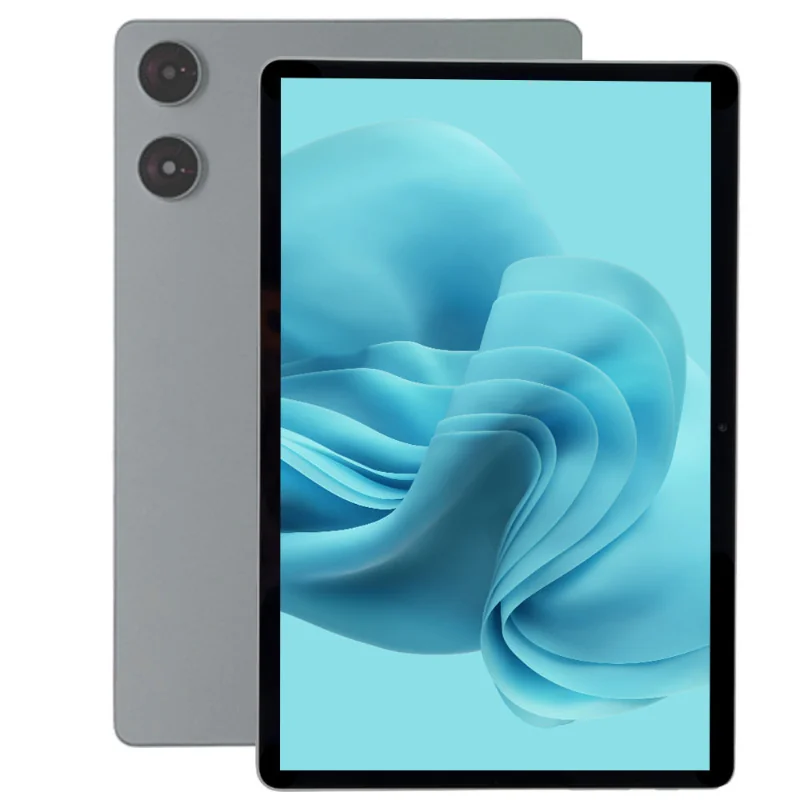
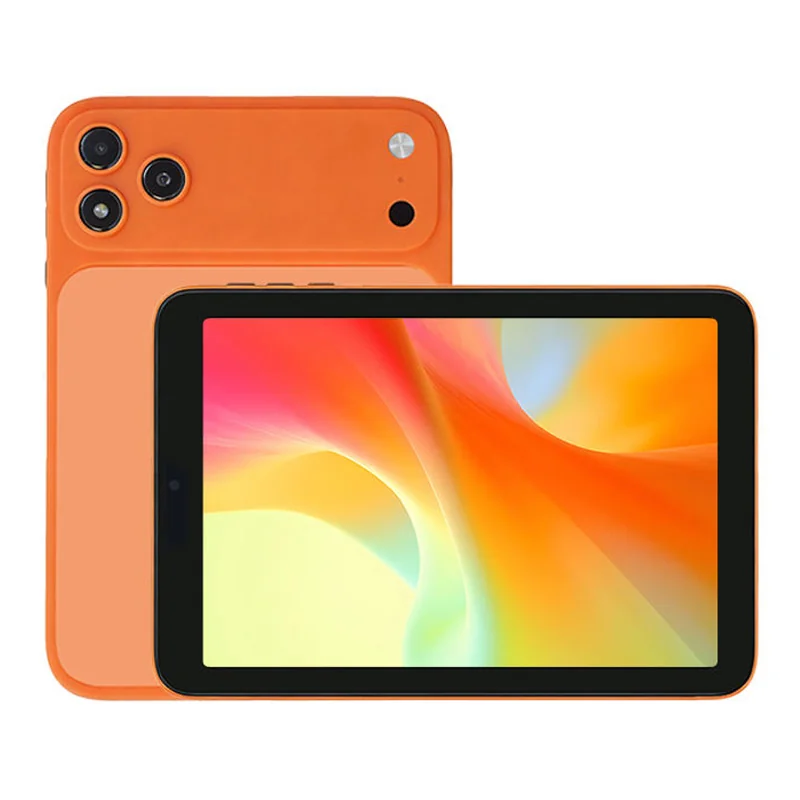
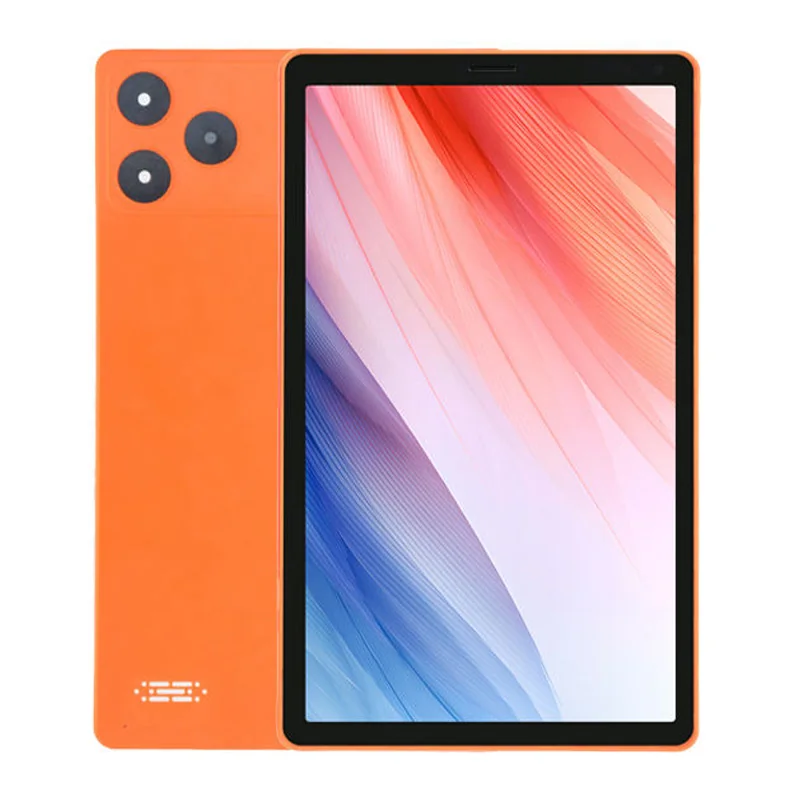
Request a quote or a free demo unit with your vision software pre-loaded, or download the full datasheet, and tell us your store count and deployment region. See the A50 Business Tablet (Android 14) for a camera-ready self-checkout baseline, or the A80-A (Android 16 + 4G) for higher connectivity headroom.