
POS Tablet Upgrade Signals: When Old Android Becomes a Real Cost
If your POS tablet is still running Android 7–10, the safe answer is: the upgrade decision is already overdue. Older Android builds stop receiving security patches, fail PCI and EMV compliance reviews, and push up maintenance cost every quarter you keep them. Moving to a current AOSP release (Android 14 or 16) removes the compliance risk, restores security patches, and lowers total cost of ownership. For any retail or hospitality buyer running payment or customer-facing terminals, this is a risk and cost decision, not a cosmetic refresh.
The five signals that it is time to upgrade
1. Payment compliance starts failing
PCI DSS and EMVCo reviews increasingly flag terminals that cannot prove an up-to-date, patchable OS. If your tablet is stuck on an Android version whose security updates have ended, the compliance conversation becomes a cost conversation — audits get slower and riskier, and some payment processors start charging more or dropping old builds entirely.
2. Security patches have stopped
Every Google monthly security bulletin fixes actively exploited vulnerabilities. When your Android version stops receiving those patches, your POS fleet becomes an open door for POS malware and card-skimming attacks. A single breach can cost more than the entire upgrade.
3. Software vendors raise their minimum OS
Payment gateways, inventory apps, and retail software keep raising the minimum Android version they support. When your current POS apps stop being supported or stop updating, you lose features and, eventually, the ability to run your stack at all.
4. Old hardware bottlenecks modern apps
Modern POS, self-checkout, and loyalty apps need more RAM, storage, and a responsive touch layer. If your old tablet lags at checkout or crashes under load, that lost throughput is a direct cost on every transaction line.
5. Windows-to-Android TCO pressure
Retailers migrating away from Windows-based terminals routinely cut hardware and maintenance cost by moving to Android POS. The same TCO argument applies to upgrading old Android — a modern, patchable device costs less to secure and maintain than an aging one.
Which AOSP version should you buy?
The rule is simple: buy a device on a release that is still receiving security patches, ideally the newest available at purchase time (Android 14 or 16). Treat Android 12 and below as a transitional or budget option only, and never buy a device on an end-of-life build (Android 7–10) for a compliance-sensitive deployment. Matching the OS lifecycle to the hardware lifecycle is what turns a one-time purchase into a low-maintenance fleet.
Real spec comparison from our catalog
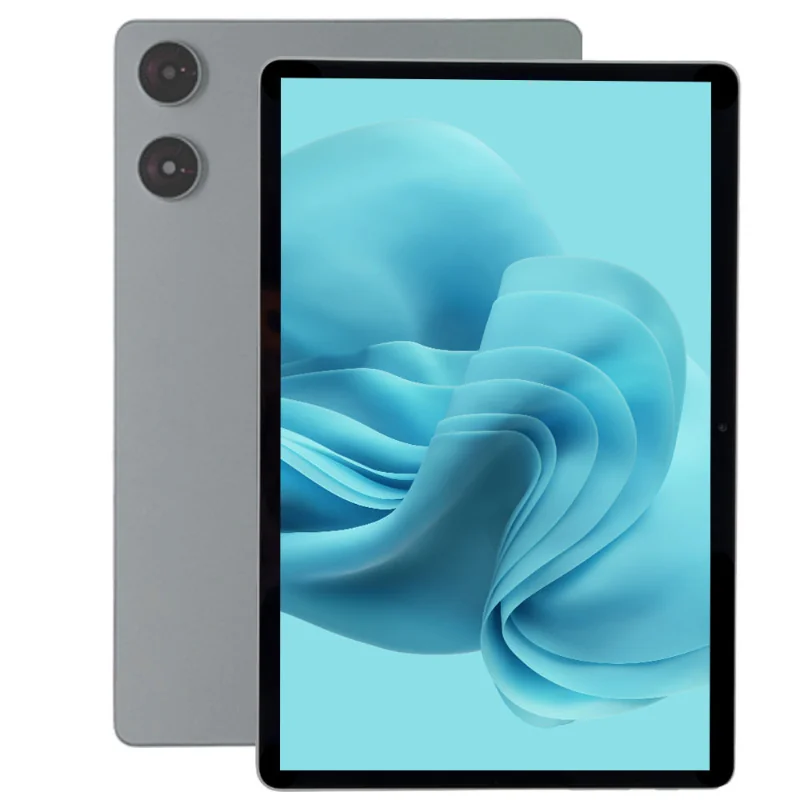
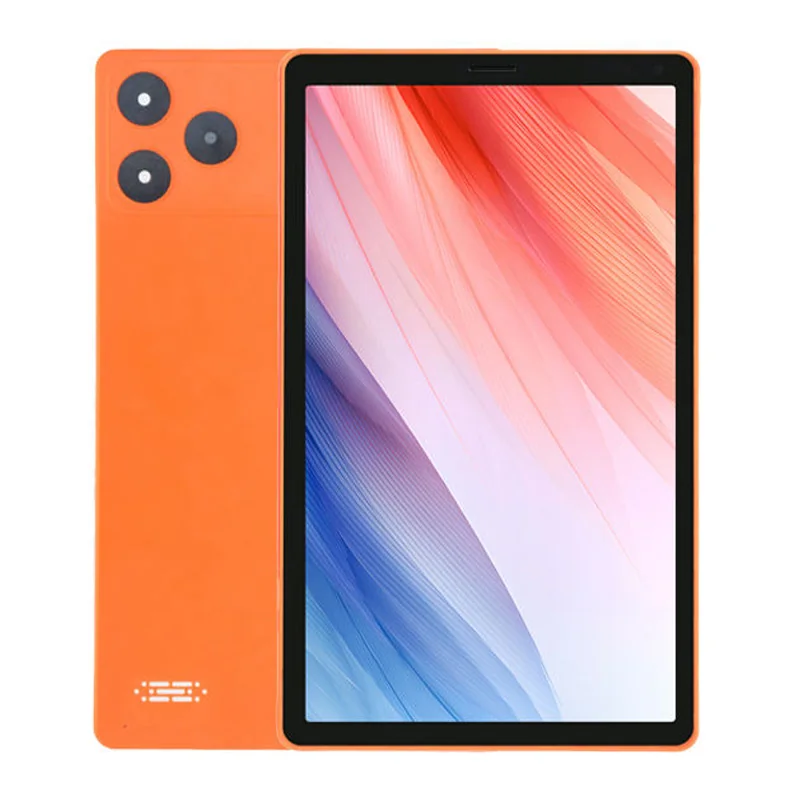
| Model | Android | Screen | OS support |
|---|---|---|---|
| A80-A | Android 16 | Full HD | Current patch stream |
| A80 | Android 16 | Full HD | Current patch stream |
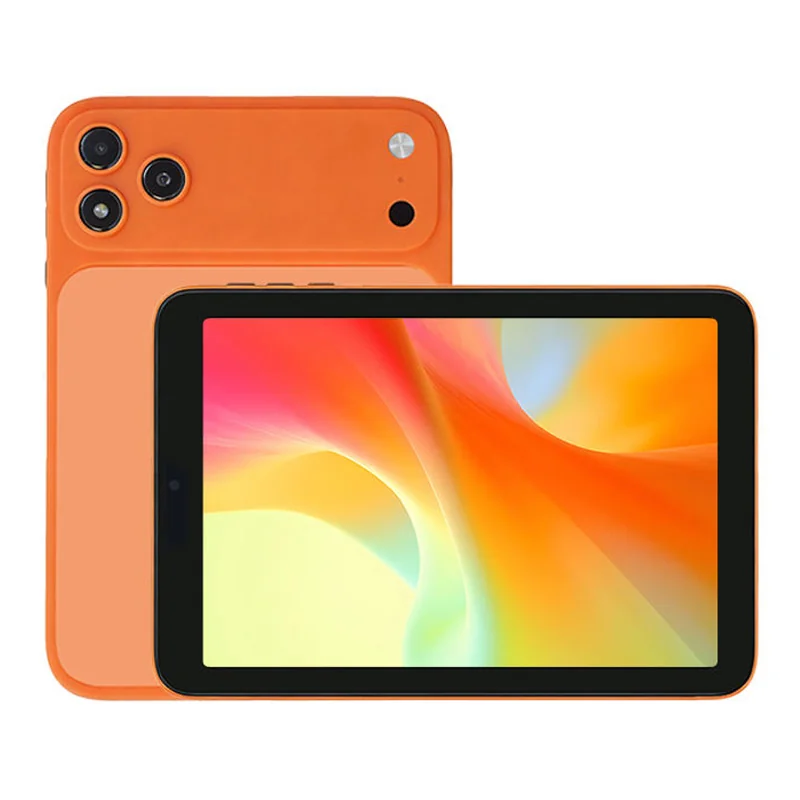
| T755 | Android 12 | HD | Budget / transitional |
For a payment or self-checkout deployment, prefer the A80-A or A80 (Android 16) so you stay inside the active security-patch window for the longest possible hardware life.
De-risking the upgrade
- Verify GMS certification. Confirm the device carries Google Mobile Services (GMS) certification. This is not cosmetic — it is what guarantees the device keeps receiving the Google security patch level, which is exactly what PCI/EMV and corporate security reviews ask to see. Ask the OEM to put the current security patch level in writing.
- Match OS lifecycle to deployment length. A POS fleet is bought for 3–5 years, so the Android version you buy must still be inside its patch window for at least that long. If the OEM cannot state the supported patch end-date, treat it as a red flag and shorten the planned hardware life or choose a newer build.
- Pilot before rolling out. Validate your payment app, peripherals, and network on a sample unit before committing the whole fleet.
FAQ
How do I verify GMS certification on a POS tablet?
Ask the OEM for proof of Google Mobile Services certification and the current Android security patch level in writing. GMS certification is what keeps a device receiving Google security patches.
How long does AOSP support last?
A current Android release stays inside the Google security-patch window for roughly the life of the device if the OEM ships it on a recent build. Always confirm the patch end-date from the OEM before buying.
When is the right time to upgrade POS hardware?
When payment compliance flags the OS, security patches have stopped, or your software vendors raise their minimum Android version. Any one of these is a trigger.
Next step
Ready to move off an aging OS? Request a quote or a sample unit from our team, and ask for the current security patch level on the A80-A or A80. We will help you pick the model that matches your deployment length.