Digital Menu Boards for QSR: Android Tablet vs. Dedicated Signage Player
Short answer: yes — a commercial-grade Android tablet can replace a dedicated digital signage player for most quick-service restaurant (QSR) menu boards, cutting hardware cost per screen by roughly 40–60%, provided you lock the device into kiosk mode, pick a panel rated for 24/7 operation, and manage it over an MDM. A dedicated player only pays for itself at very high display counts, dedicated 4K video walls, or where one device must drive multiple screens. For a typical 1–6 screen per-store QSR rollout, an Android tablet on an OEM/ODM basis is the faster, cheaper and easier-to-scale path. The global digital menu board market reached about $5.8 billion in 2025 and is projected to hit $11.2 billion by 2034 (CAGR ~7.8%) [1], so this is a hardware decision most retail and hospitality brands will face soon.
Digital menu boards are no longer optional for quick-service restaurants. They cut changeover cost, enable day-parting (breakfast-to-lunch pricing in seconds), and raise average order value by roughly 3–5% when merchandising is done well — the consensus figure from the Networld Media Group Digital Menu Board ROI Study [2]. With ~70% of QSR revenue now flowing through the drive-thru (QSR Magazine, 2025) [3], and 86% of Gen Z reporting “menu anxiety” while ordering [4], the display is a revenue channel, not just a screen. This guide is written for QSR operators, signage integrators and retail brands sourcing menu boards at volume — it compares the two routes on the decisions that actually move a procurement. For a deeper look at why the underlying OS itself shapes your total cost of ownership, see our comparison of Android vs Linux vs webOS for digital signage.
The procurement problem most buyers miss
Most QSRs pick the screen first and the player last. That is backwards. The screen is the commodity; the player determines your content stack, your remote-management cost, your per-site failure rate, and your long-term per-screen total cost of ownership (TCO). The two realistic routes are:
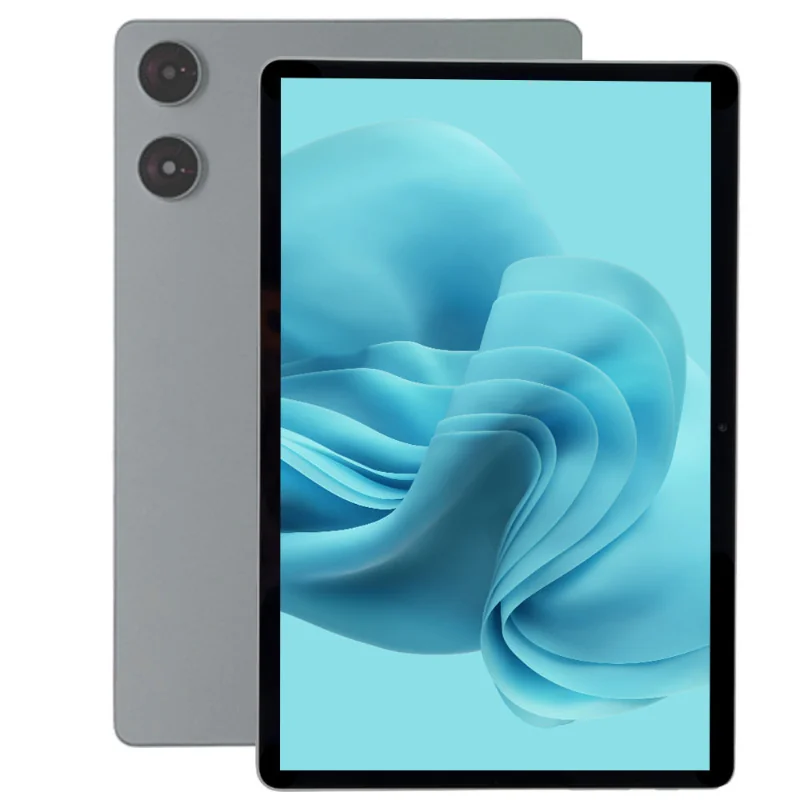
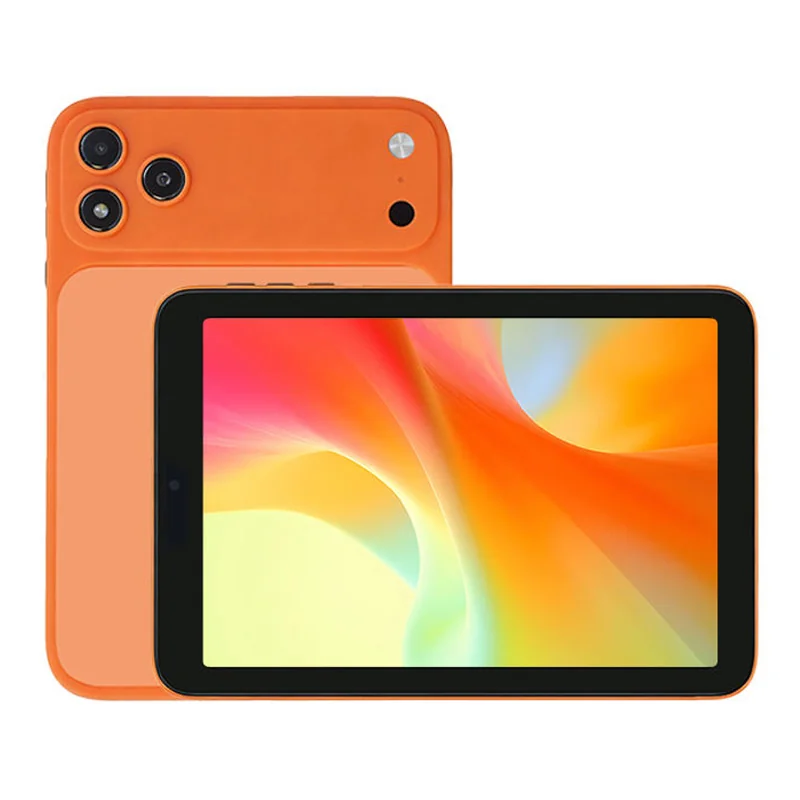
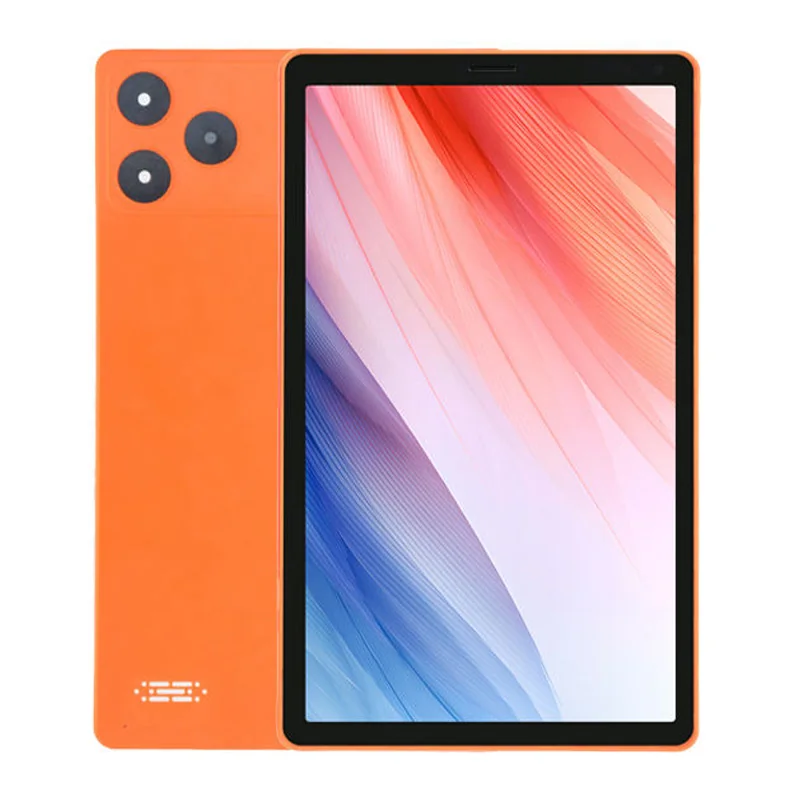
- Android tablet (10–15 inch commercial-grade) used as the menu display, in kiosk mode, managed over an MDM.
- Dedicated signage player (mini-PC / SoC player such as BrightSign or an Android set-top box) driving one or more screens.
For a single-menu-board-per-counter QSR, a 10–14 inch tablet is typically the right call. For drive-thru double-stacked 4K boards, a dedicated player wins. Below is the side-by-side on the specs that matter.
Android tablet vs. dedicated signage player: head-to-head
| Decision factor | Android tablet (commercial-grade) | Dedicated signage player |
|---|---|---|
| Typical hardware cost per screen | Lower (10–15" tablet) | Higher (player + screen) |
| Built-in display | Yes — screen included | No — needs a separate monitor |
| Out-of-box setup | Single device | Player + monitor + cabling |
| Kiosk / lockdown | Android kiosk mode (daydream / device owner) | Native locked-down player OS |
| Remote management | MDM (Zero-touch / provisioning) | Vendor cloud console |
| Multi-screen (4K video wall) | Not recommended (1 screen per device) | Yes — 2–4 screens per player |
| Operating duty | Needs commercial/industrial panel for 24/7 | Built for always-on |
| Content platform | Android signage apps (CMS + kiosk) | Proprietary or Android signage OS |
| Field replacement | Swap one device | Swap player, reattach screen |
When an Android tablet is the better buy
- 1–6 screens per store, counter or wall mounted, portrait or landscape menu boards.
- Speed to rollout: one device per board, pre-provisioned at the factory, field swap in minutes.
- Budget discipline: tablet hardware cost per screen is materially lower at these counts.
- Cloud CMS with Android agent (e.g. ScreenCloud, PosterBooking, OptiSigns) — all run natively on Android and manage hundreds of tablets centrally from one console.
- OEM/ODM branding: a factory can pre-load your logo, kiosk app, MDM agent and launcher at production, so every unit ships deployment-ready.
When to stick with a dedicated player
- 4K video walls or multiple screens driven by one brain — tablets are one-screen-per-device.
- Heavy 4K playback with long loops; tablets are fine for menus, marginal for 4K video.
- High device-count enterprise estates already standardised on one player vendor.
- Complex sensor / peripheral workflows beyond basic menu display.
What an OEM must deliver for a signage tablet
Not every tablet survives a kitchen counter. When you source menu-board tablets on an OEM/ODM basis, these are the non-negotiables:
- Kiosk mode & launcher lockdown — the device must boot straight into your menu app with no user escape. Ask for factory-preloaded kiosk configuration.
- MDM / zero-touch provisioning — the unit should phone home to your MDM on first boot and apply policy remotely. See our guide on OEM/ODM provisioning.
- Panel rated for the environment — QSR kitchens are greasy and hot. Confirm duty, brightness (500+ nits helps in bright dining areas), and that the panel is not consumer-TV-grade.
- Android version & GMS — newer Android (14/15/16) means longer security support and cleaner GMS certification, which matters for Google-protected app installs. Older models risk EOL management.
- Customization — logo, boot animation, restricted settings, custom launcher, and volume branding at the factory.
Realistic cost & rollout picture
On an OEM basis, a commercial 10–11 inch Android tablet for signage typically runs at a lower per-screen hardware cost than a separate player + monitor, and the single-device form factor cuts cabling and install time per site. The real savings compound on management: a pre-provisioned tablet is deployed by mounting and powering it — no on-site player configuration. Across a 100-store chain at an average of three boards each, the difference in hardware and install cost alone can be significant, and the tablet path keeps every screen on one management plane through a single MDM or cloud CMS.
Frequently asked questions
Can an Android tablet really replace a dedicated signage player for menu boards?
For most single-menu-board-per-counter QSR setups, yes. A commercial-grade Android tablet in kiosk mode, driven by an MDM or a cloud CMS with an Android agent, handles still and 1080p menu content reliably and cuts per-screen hardware cost by roughly 40–60% versus a separate player plus monitor. The exceptions are 4K video walls and any workload where one device must drive multiple screens.
What specs do I need for a 24/7 QSR menu board tablet?
Look for a commercial/industrial-rated panel with 500+ nits brightness, kiosk-mode boot to your menu app, MDM/zero-touch provisioning on first boot, a current Android version with GMS certification (14/15/16 for longer security support), and factory customization. These are exactly what an OEM/ODM supplier pre-configures before shipment.
How many screens can one Android tablet drive?
One screen per tablet. If you need a single brain driving 2–4 displays or a dedicated 4K video wall, a dedicated signage player is the better fit. Otherwise the one-device-per-board tablet model simplifies replacement and management.
Next step
If you are evaluating menu-board hardware for a rollout, start with the form factor and content stack, then lock the hardware spec. Wintouch offers Android tablet OEM/ODM with factory pre-loaded kiosk mode, MDM provisioning, GMS certification and custom branding — request a quote or sample with your screen count and we’ll send a spec sheet and a matched hardware recommendation.
Sources: [1] MarketIntelo, Global Digital Menu Boards Market Report, 2025; [2] Networld Media Group, Digital Menu Board ROI Study; [3] QSR Magazine, 2025 (via Checkmate); [4] Business Insider / Scala, Gen Z menu-anxiety study.