Digital Menu Boards 2026: Why Restaurants & Chains Are Swapping Static Screens for Android Digital Signage
Static menu boards turn every price change, promotion, or supplier swap into a reprint-and-replace project that costs labor, inventory, and days of downtime across every storefront. Digital menu boards on Android hardware solve that by updating every location remotely in minutes — but the real 2026 sourcing decision is no longer “static vs digital.” It is which commercial Android screen can survive 7×24 operation and which OEM can deliver consistent units at scale. Buyers who anchor the decision on hardware reliability and supply-chain consistency, not on screen size alone, get the ROI; buyers who chase the cheapest panel inherit the dead-hardware problem.
The 2026 shift: from a display purchase to a scale decision
Chains are standardizing on Android-based digital signage because the software stack is mature, the hardware is interchangeable, and remote content management removes the physical labor of static boards. But a menu board that fails mid-service is worse than a static board — it is a silent revenue leak. So procurement has pivoted from “which TV looks best” to “which unit can run 7×24 for three years and which OEM will still be around to supply replacement panels and firmware updates.”
Four deployment scenarios, one ROI question
| Scenario | Static-board pain | Why Android signage wins |
|---|---|---|
| QSR counter | Price/ingredient swaps need reprint + in-store replacement | Remote menu update in minutes; POS-driven dynamic pricing |
| Drive-thru | Weather-hardened static boards are costly and static | Dayparting, dynamic upsell, remote diagnostics |
| Multi-store chain | Every change multiplies across N locations | One central CMS pushes to all stores consistently |
| Full-service dining | Static boards can’t show availability or promotions in real time | Live specials, integration with table/ordering systems |
Hardware decides ROI — the software does not die, the hardware does
Digital signage projects almost never fail because of software; they fail when a consumer-grade panel overheats, dims, or dies under 7×24 load. When you source, put these four requirements on paper:
- 7×24-rated design — thermal management, brightness, and expected lifecycle tuned for always-on commercial use, not consumer burst use.
- Remote content management — Android Enterprise-ready enrollment so one CMS controls every screen from anywhere.
- POS / data integration — the unit must connect to your ordering and pricing systems, not just display a static image.
- Consistent supply at scale — the same panel, same firmware, same build across every rollout wave; a “cheap first batch, different second batch” supply chain is a maintenance trap.
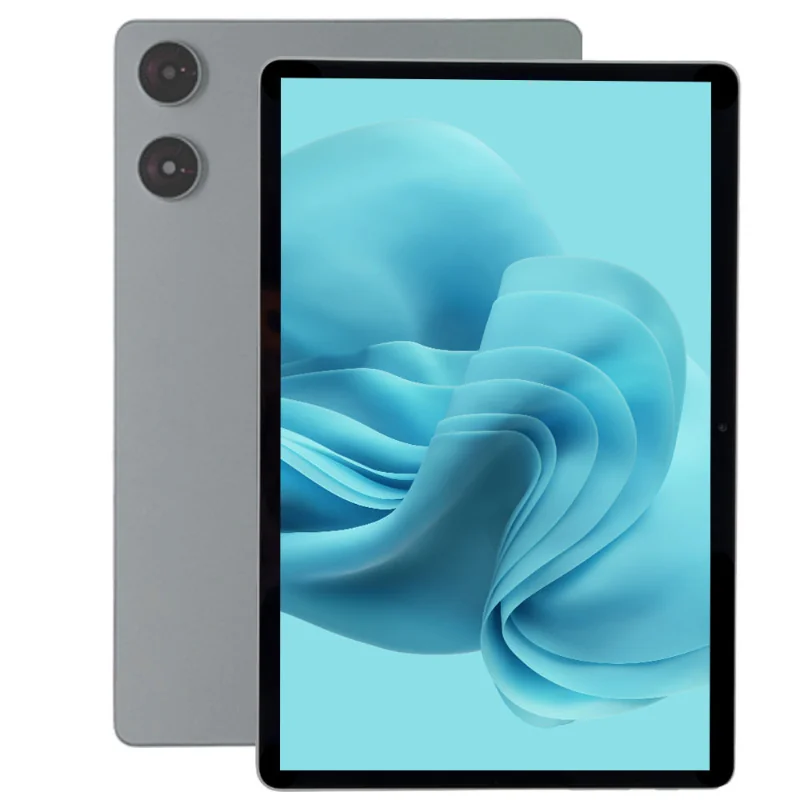
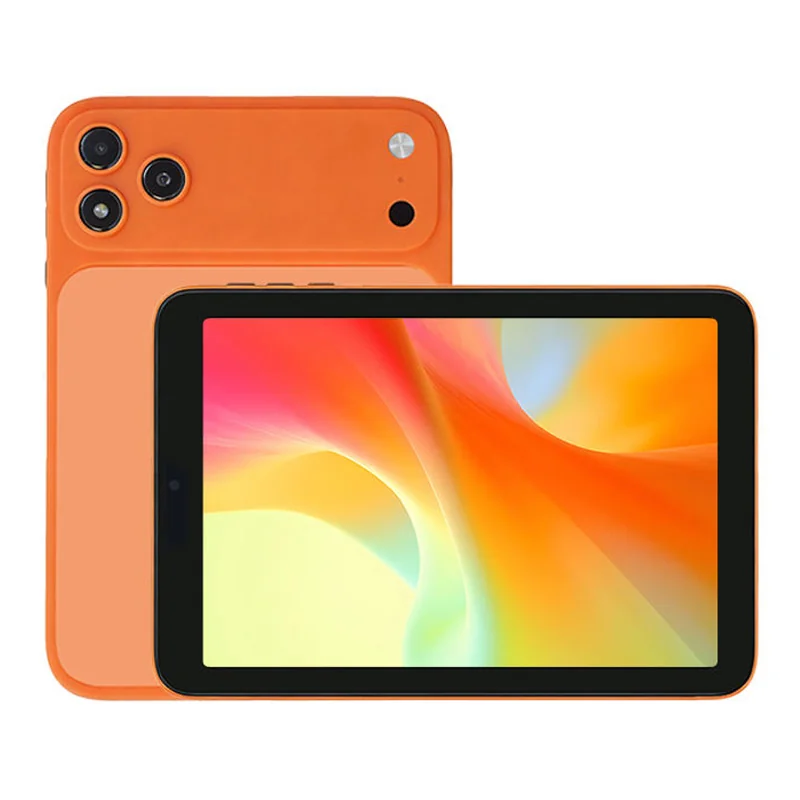
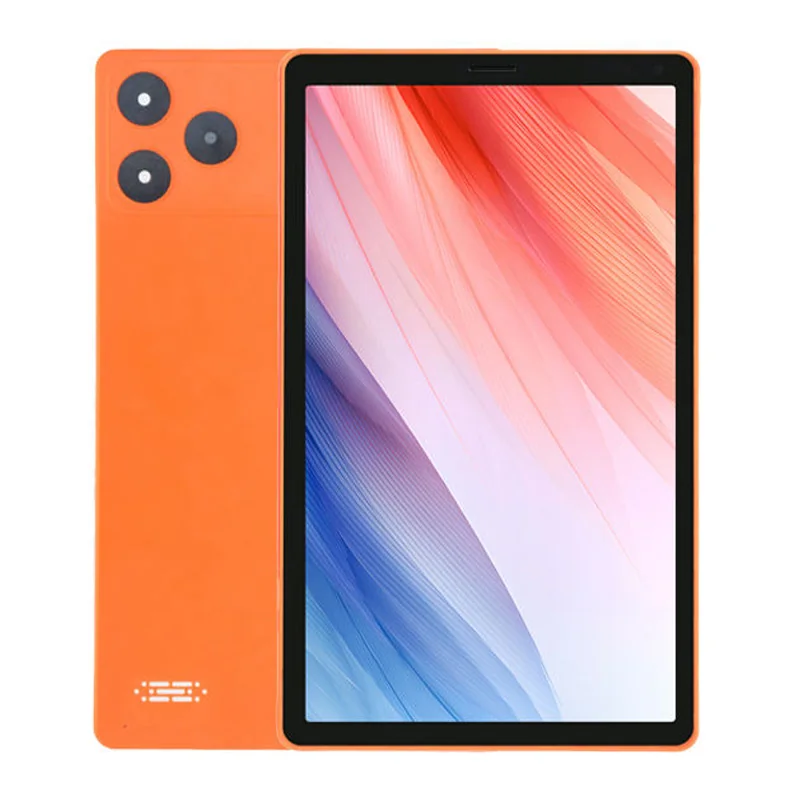
Beware the shortcut of mounting consumer tablets as menu boards — they lack the thermal headroom and lifecycle for 7×24 storefront duty and become a recurring replacement cost.
De-risking your RFQ
- State the ambient temperature and operating hours (7×24?) so suppliers quote the right thermal spec.
- Require stated brightness (nits) for the lighting condition of your location.
- Ask for the expected lifecycle and the warranty terms in writing.
- Require firmware update commitment and CMS compatibility in the contract.
- Confirm regulatory/certification status for each target market (CE, FCC, and market-specific requirements).
Sustainability angle: digital boards cut the print-and-paper cycle
Regulators in the EU and US are pushing retail to reduce single-use printed collateral, and dynamic menu boards support that sustainability narrative while removing per-branch reprint labor. This is a measurable secondary benefit, not the primary driver — lead with reliability and scale, use the paper-reduction angle as a compliance and marketing plus.
Next step
Ready to spec a digital menu board rollout? Send us your store count, operating hours, and lighting conditions for a commercial Android signage recommendation and OEM volume pricing — request a quote or datasheet and our team will respond within one business day. See our full commercial tablet lineup for the range we build.
FAQ
When should a restaurant switch from static to digital menu boards?
When price changes, promotions, or menu updates happen frequently, or when you operate multiple locations that must stay consistent — that is when reprint labor and downtime outweigh the hardware cost of digital signage.
What determines whether digital menu boards pay off?
Hardware reliability under 7×24 operation and supply consistency at scale. A board that fails mid-service costs more than a static board; a supply chain that ships different panels between batches creates a maintenance burden.
Can consumer tablets be used as menu boards?
Not ideally. Consumer tablets lack the thermal headroom and lifecycle rating for always-on storefront duty and become a recurring replacement cost. Commercial 7×24-rated units are designed for the job.