Android Tablets for Voice Hands-Free Warehouse & Retail
Warehouse and retail operations across the EU and US are under a double squeeze: labor shortages push up turnover and training costs, while CE, FCC, and RoHS compliance tightens the scrutiny on every piece of hardware that touches the floor. Operations managers and IT buyers are no longer asking whether to modernize picking and inventory workflows — they are asking which device architecture lets them deploy voice hands-free operation without locking themselves into a proprietary ecosystem.
Voice and hands-free operation on Android tablets lets warehouse and retail workers confirm picks, check inventory, and navigate tasks by speech instead of scanning handheld terminals. With a ruggedized device, a 4-mic array, and active noise cancellation, deployments cut operational costs by 15–25% and picking errors by up to 40%. An open Android platform gives the same recognition accuracy as proprietary voice bundles at lower hardware and integration cost, with CE/FCC/RoHS compliance for the EU and US.
Why Warehouse and Retail Are Going Hands-Free
Scan-based workflows occupy both hands and both eyes at the exact moment a worker needs them for lifting, packing, and positioning. Voice-directed work replaces scan-and-tap sequences with spoken confirmations, and the operational upside is well documented. According to a 2023 report by VDC Research, voice-directed work reduces operational costs by 15–25%.
That cost reduction is measurable on real floors. In a 50,000 sq ft distribution center, voice picking reduced errors by 40% and shortened new-hire training from 2 weeks to 3 days — new staff simply repeat the word they hear instead of memorizing scanner workflows.
But there is a procurement trap. The market leaders in voice picking — Zebra, Honeywell — push tightly bundled hardware-plus-software solutions that are expensive to scale and hard to customize. An open Android tablet decouples hardware from software: you run commercial voice middleware (Voxware, Lucas Systems) or your own speech engine, keep your existing MDM, and swap devices without re-architecting. For EU and US buyers, open Android also simplifies compliance. Choosing devices bearing CE, FCC, and RoHS marks gets you past certification without vendor lock-in.
Voice Operations vs. Traditional Scanning: The Real ROI
The comparison below summarizes what changes when you move from scan-based picking to voice-directed Android tablets.
| Criterion | Scan-based workflow | Voice-directed Android |
|---|---|---|
| Pick errors | Baseline | Up to 40% fewer |
| New-hire training | 1–2 weeks | 2–3 days |
| Hands and eyes | Occupied by scanner | Free for lifting, packing |
| Mis-shipments | Higher with fatigue | Lower, spoken confirmation |
| 5-year TCO | Handheld + vendor licenses | Android + middleware, open ecosystem |
Beyond pick accuracy, the cost breakdown favors Android. Proprietary voice terminals carry license fees and service contracts tied to one vendor. An Android tablet with a quality microphone array runs standard Android Enterprise APIs, integrates with the WMS middleware you already use, and keeps maintenance options open — any certified repair partner can service it. Hidden savings compound: lower worker turnover from reduced repetitive strain, fewer mis-shipments that trigger chargebacks, and faster onboarding that cuts supervisor hours.
What to Look for in an Android Tablet for Voice Work
The hardware spec is what separates a voice-ready device from a general-purpose slate. Prioritize these six:
- Microphone array: 4+ mics for 360° capture. A 4-mic array with 48kHz sampling and FIR noise cancellation achieves >95% recognition accuracy in 80dB environments — the difference between a workable deployment and endless mishears.
- Active noise cancellation: FIR or adaptive filtering that suppresses forklift engines, conveyor rumble, and HVAC.
- Processing power: an octa-core CPU so recognition runs in real time, even with on-device speech models.
- Ruggedness: IP65/IP67 ingress protection and concrete-floor drop resistance for dusty racking environments.
- Connectivity: Wi-Fi 6 for reliable warehouse coverage; Bluetooth 5.0 for headset pairing over HFP.
- Battery and management: hot-swappable batteries for 24/7 multi-shift operation; Android 11+ with MDM support including zero-touch provisioning and central OTA updates.
A Spec-Comparison Table for Voice-Ready Android Tablets
Competitor reviews rarely compare rugged Android devices side by side. The table below shows the gap between a consumer tablet and an industrial voice-ready Android tablet — the choice that determines whether your deployment survives a week on the floor.
| Criteria | Consumer tablet | Rugged industrial Android |
|---|---|---|
| Microphone array | 1–2 mics | 4+ mic array |
| Noise cancellation | Basic or none | FIR / adaptive DSP |
| IP rating | IP54 or lower | IP65/IP67 |
| Drop resistance | 1 m accidental | 1.5–2 m to concrete |
| Battery | Fixed, one shift | Hot-swappable, 24/7 |
| OS support | Consumer updates, limited MDM | Android 11+, zero-touch MDM |
| Certification | Vendor-specific | CE, FCC, RoHS; SASO / G-Mark options |
| Price range | Lower up-front | Higher up-front, lower TCO |
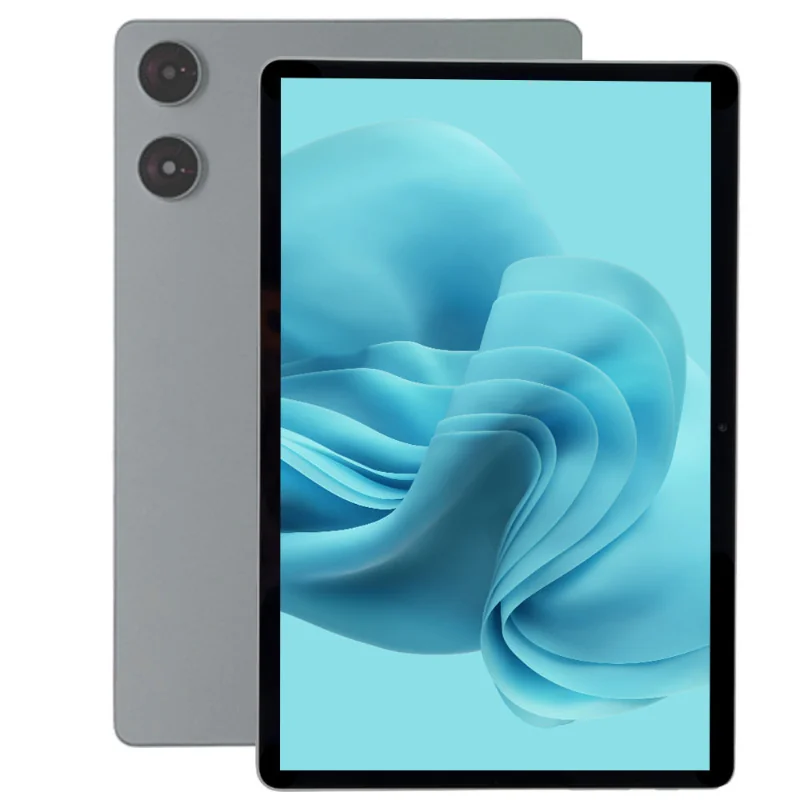
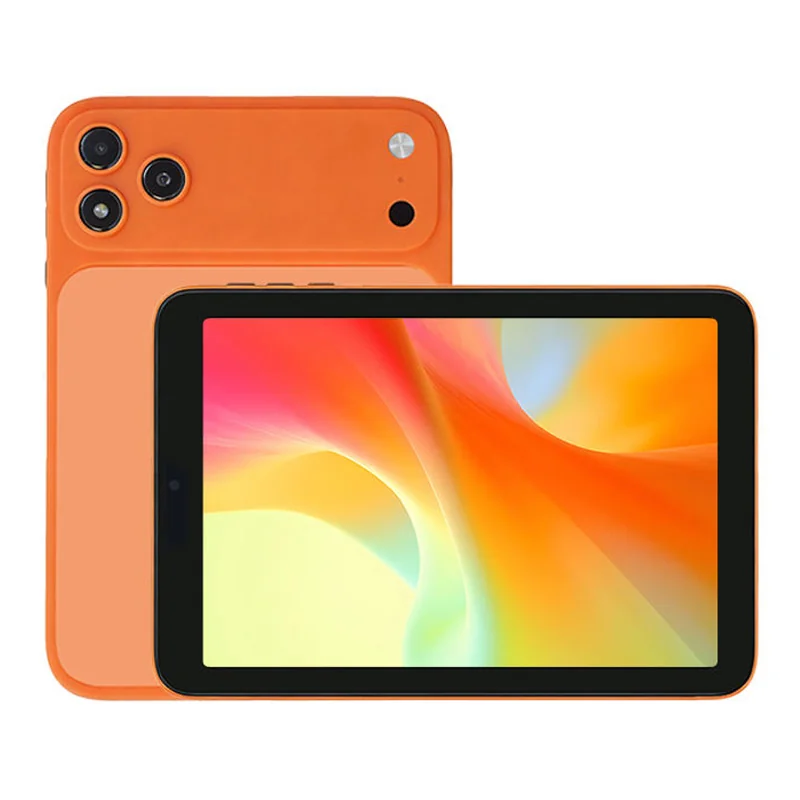
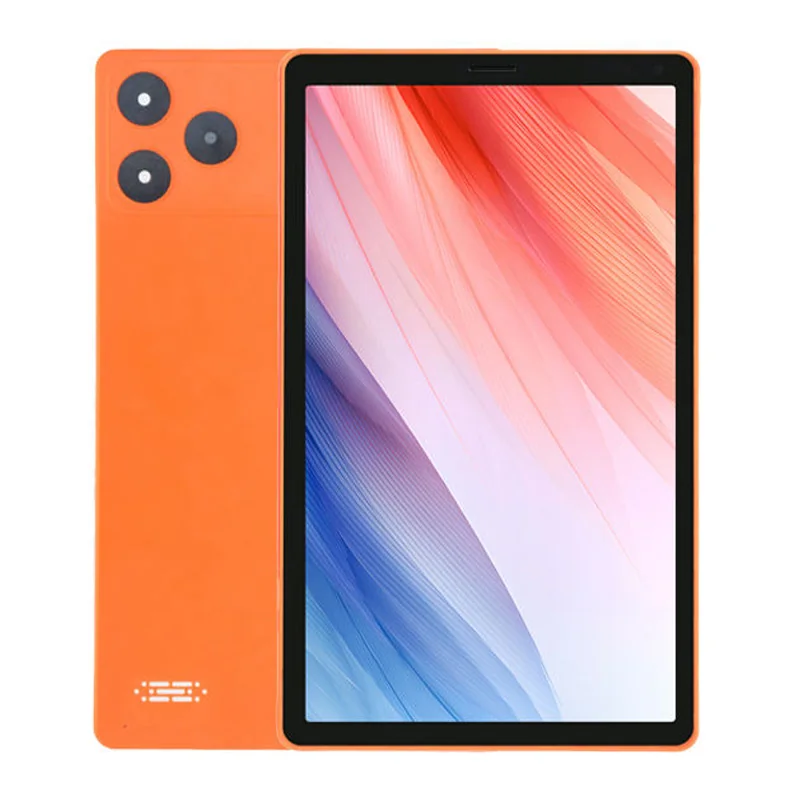
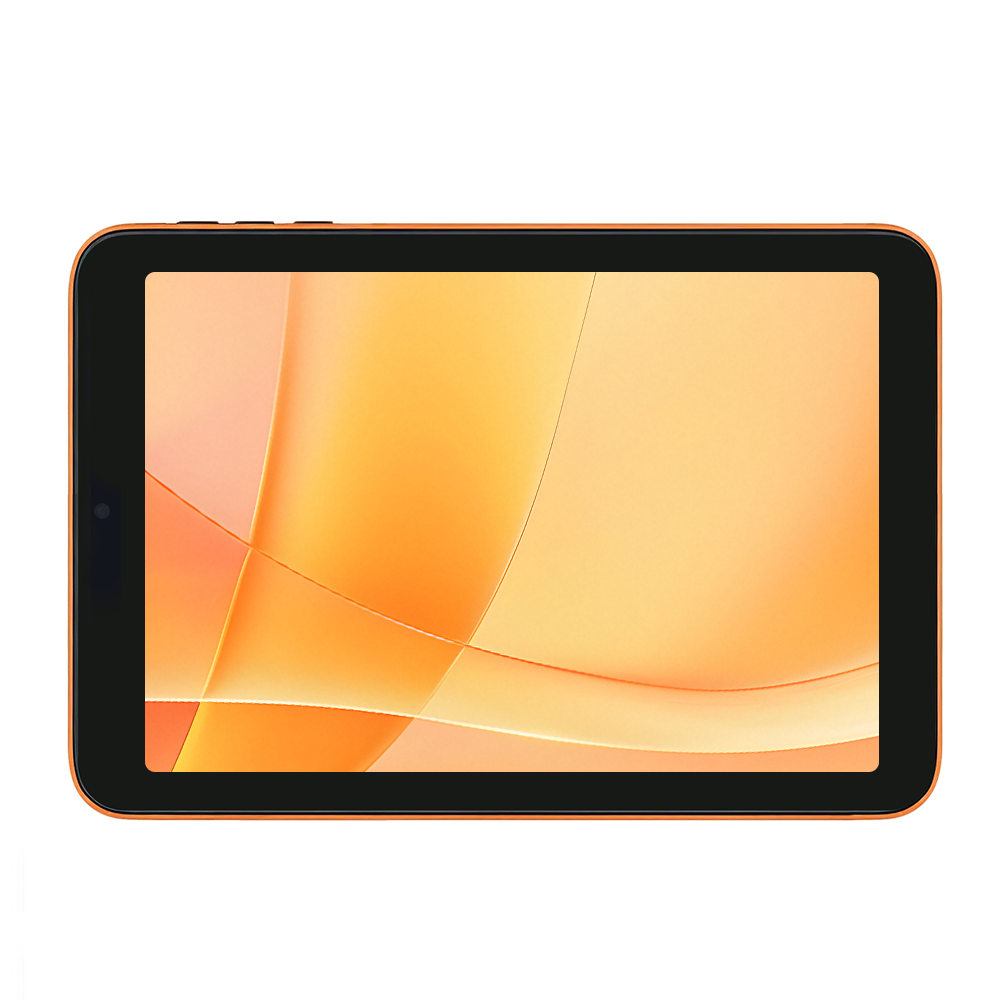
The tradeoff is visible in the table: a higher ingress rating and an industrial mic array add up-front cost but extend device life in a warehouse by years. Certification matters for EU and US deployment — verify CE, FCC, and RoHS marks before ordering, and confirm SASO or G-Mark if you later expand into MENA or SEA. Within our own lineup, the rugged Wintouch WT8662 tablet and the Wintouch A80-A tablet represent this industrial class, with the microphone and durability specs voice workflows depend on.
How to Integrate Hands-Free Voice with Your Existing MDM and WMS
Integration is where an open Android platform pays off a second time. Use Android Enterprise APIs for zero-touch provisioning: your MDM pushes the voice client, locks the device to kiosk mode, and applies over-the-air updates without a single device leaving the floor. Voice-directed middleware — Voxware, Lucas Systems, or a custom speech engine — sits above your WMS and ERP, sending spoken picks and confirmations over Bluetooth HFP headsets. Because the platform is open, you are not hostage to a vendor’s roadmap; you can switch middleware or WMS connectors when your operation changes.
Risks and How to De-Risk Your Voice Deployment
Every failed voice deployment we have audited traces to one of four risks:
- Background noise in loud DCs. Mitigate with a 4-mic array and adaptive FIR noise cancellation — then test at the noisiest shift, not in a quiet office.
- Worker adoption. Run a two-week pilot with superusers on the floor; their word-of-mouth carries the rollout.
- Integration complexity. Proprietary stacks hide integration cost until after purchase. An open Android platform surfaces it early.
- Certification. Non-compliant devices in the EU or US can halt deployment entirely. Confirm CE, FCC, and RoHS marks up front, and SASO/G-Mark for MENA/SEA.
One honest caveat: voice recognition accuracy varies with environment; we recommend a free sample unit for a 2-week pilot before bulk ordering. In practice, that short pilot investment prevents months of remediation later.
Frequently Asked Questions
Can any Android tablet support voice-directed work?
Technically any tablet can run a voice app, but recognition accuracy in a warehouse depends on the microphone array, noise cancellation, and raw processing power. Consumer tablets with one or two mics mishear speech over 70dB of forklift noise. Look for industrial devices with 4+ mics and DSP noise cancellation, and run a pilot before committing.
How accurate is voice recognition in noisy warehouse environments?
With the right hardware — a 4-mic array, 48kHz sampling, and FIR noise cancellation — recognition accuracy exceeds 95% even in 80dB environments. Drop to a single-mic consumer device and accuracy falls off sharply, which is why hardware selection drives deployment success.
What is the cost difference between voice-ready Android tablets and standard ones?
Up-front, an industrial voice-ready Android tablet costs more than a consumer slate — typically a 20–40% premium — but total cost of ownership is lower. Hot-swappable batteries, IP65/IP67 ruggedness, and long-term Android updates extend usable life by years, and an open platform avoids the per-device license fees of proprietary voice terminals.
How do I choose between rugged and non-rugged tablets for voice operations?
Match the device to the floor. In a dry retail counter environment, a lighter tablet may suffice. In a warehouse with concrete floors, dust, forklift traffic, and multi-shift use, choose an IP65/IP67 rugged device with a 1.5–2m drop rating and hot-swappable batteries. The wrong choice surfaces in your return rate within the first year.
Ready to Go Hands-Free? Next Steps
Selecting the right Android tablet converts voice hands-free operation from a pilot promise into measured ROI — fewer errors, faster onboarding, and a compliant, vendor-independent deployment. Start with a specs sheet, then validate with a two-week pilot.
Request a quote for a voice-ready Android tablet — our engineering team will help you match a device to your floor, confirm certification for your region, and provision it through your MDM. Sample evaluation kits are available before you commit.