Android 16 End-of-Life & Security Patch Windows: A Lifecycle Planner for Enterprise Tablet Buyers
Short answer: Android 16 has no single end-of-life date you can mark on a calendar. What buyers actually manage is a security patch window — the period during which Google still publishes patches for the OS line and your OEM still ships them to your specific model. For enterprise POS, retail kiosk, government and education fleets that must live 3+ years in the field, that window is the real depreciation schedule: buy on the day the patch pipeline is healthy, plan refresh before the day it closes, and put both dates in the contract.
Why “end of life” is the wrong frame for enterprise tablets
Google does not publish a single EOL date for an Android version the way a phone carrier might. What it publishes is a stream of security bulletins (monthly, plus critical-response bulletins), a version-support matrix, and device-level support commitments on its Android security center. Two things determine whether your deployed tablet is “supported” at any moment:
- The OS line’s patch status. As of the 2026 cycle, Android 16 is the current release line and receives the full monthly security patch level (e.g. the 2026-03-01 bulletin level on supported devices).
- The OEM’s shipping commitment for your model. Google can publish patches all year, but if your OEM stopped shipping them to your tablet, that model is effectively EOL regardless of the OS version number.
So the planning unit is not “when does Android 16 die” — it is “how long will patches actually reach my model.” For how the broader lifecycle promise is enforced, see our breakdown of Google’s extended Android update commitments.
A real lifecycle signal: how Google’s own line behaves
Google’s own devices are the cleanest public window into this behavior. As of July 2026, Google confirmed the Pixel 6 and Pixel 6 Pro reach end-of-life status with Android 17 QPR1 — i.e. support ends tied to a release cadence, not a fixed calendar date. You can read the official device-level commitment on Google’s Pixel update and support cycle page. Newer Pixel 10-class devices shipped in 2026 carry a support horizon out to roughly 2032–2033. The practical lesson for procurement: a device’s support horizon is decided at the moment of purchase by the OS generation + the OEM’s written commitment, and it degrades release-by-release, not year-by-year.
The depreciation table: plan your fleet against the patch pipeline
| Planning input | What it means | Action for the buyer |
|---|---|---|
| OS release status (2026) | Android 16 = current, patched line; Android 15 = bridge; 14/13 = nearing end of monthly patch support | Buy Android 16 for any fleet with a 3+ year field life |
| Patch cadence | Monthly security bulletins + critical-response bulletins | Ask the OEM for the documented patch-shipping cadence for your exact model |
| Model-level EOL trigger | Support ends with a release cadence (e.g. Pixel 6 EOL with Android 17 QPR1), not a calendar date | Write “supported until a named OS milestone, not a vague date” into the contract |
| GMS certification validity | Patch + Play certification must both stay current for compliance | Verify GMS/Play status per model; see our GMS verification checklist |
| Compliance gate (PCI / tender) | Regulated verticals require a patched, supported OS | Contract the patch window in writing so audit evidence exists |
Five clauses your “patch window” contract should actually contain
- A named end milestone, not a date. “Supported until N months after the next major Android release” — not “3 years.”
- A patch-shipping cadence. How often security patches actually reach your model, and the maximum latency Google-published → your device.
- GMS/Play certification maintenance. Certification must remain valid for the window, not just at delivery.
- A defined upgrade path. What happens if your deployment runs past the window — documented OS upgrade, or a defined refresh SKU.
- Compliance evidence on demand. The patch schedule and certs your PCI/tender/compliance team can pull during audits.
Wintouch’s shipping line and the written window
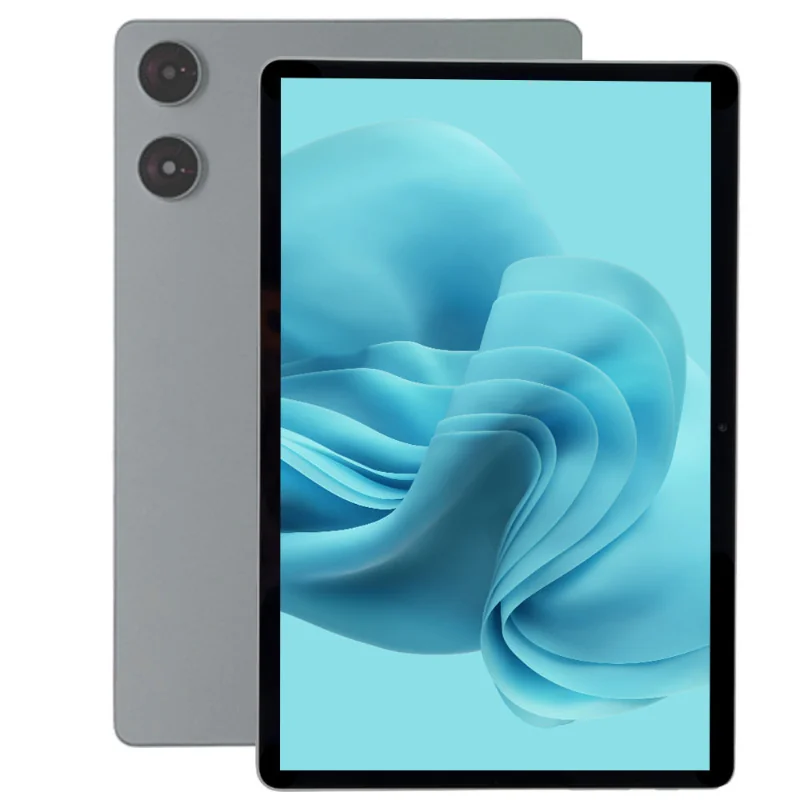
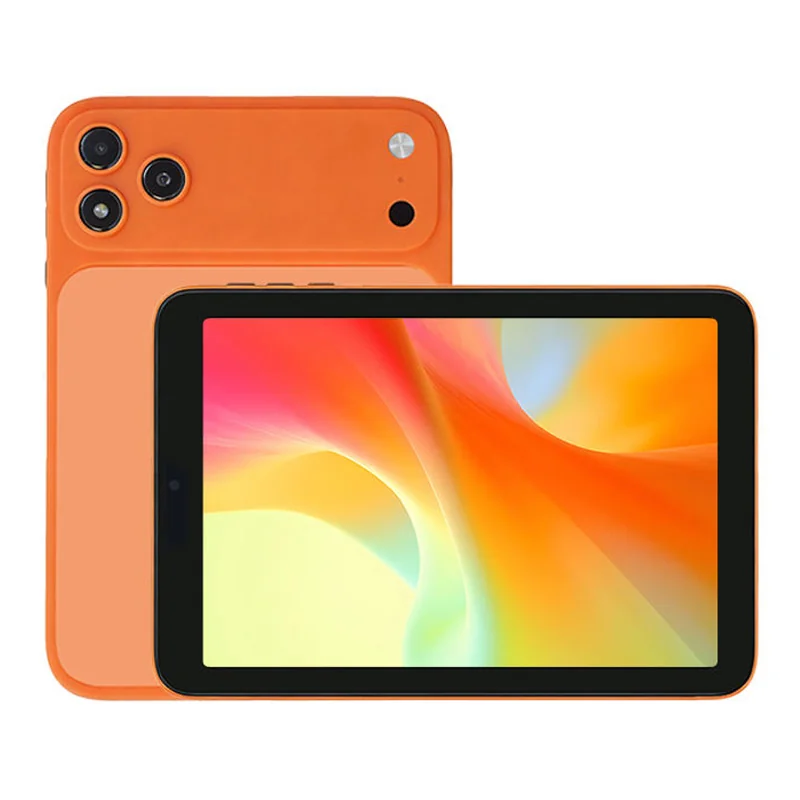
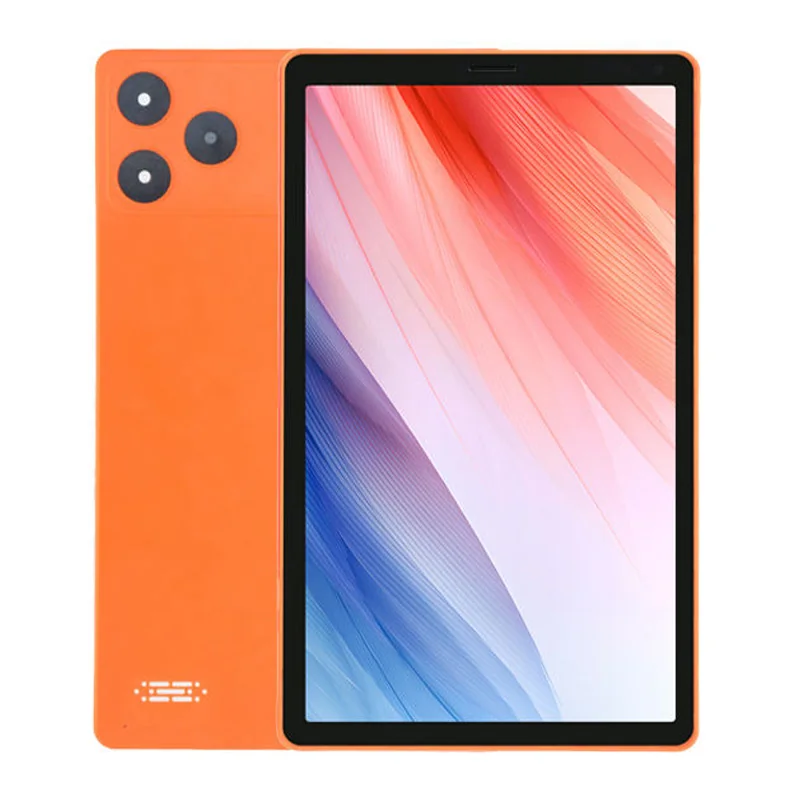
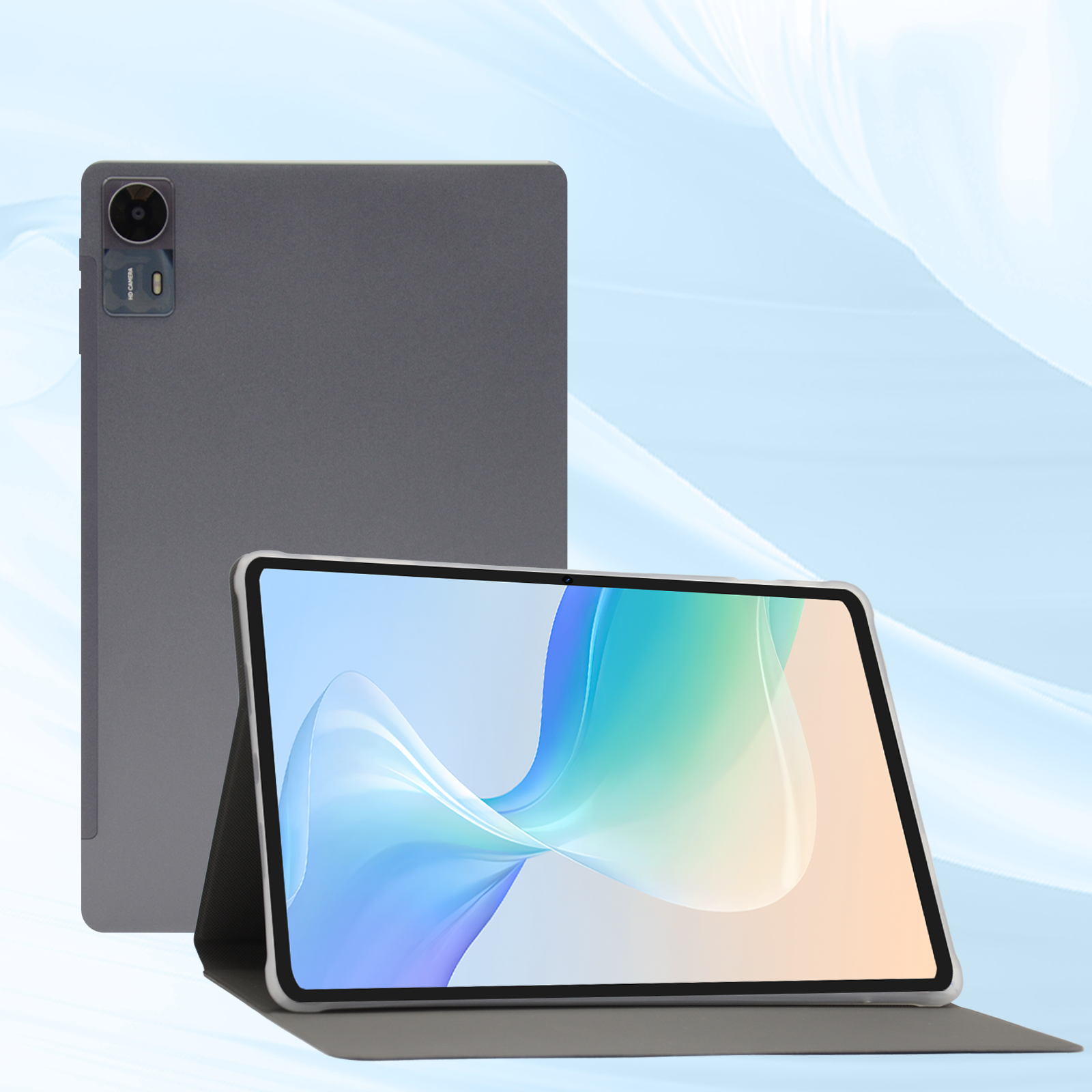
Wintouch is factory-direct OEM — the update and security-patch window for volume orders is committed in writing, not implied. For Android 16-class deployments with a 3+ year horizon, the Android 16 enterprise tablet is the recommended path; every quote states the patch cadence, the support horizon, and the GMS/Play certification status up front so procurement can plan refresh before the window closes.
FAQ
Does Android 16 have a set end-of-life date?
No. Support ends with a release cadence (next major Android milestone) plus your OEM’s model-level shipping commitment, not a fixed calendar date. Plan on the patch window, not a single EOL day.
What is a security patch window?
The period during which Google publishes patches for the OS line and your OEM ships them to your model. For enterprise fleets it is the real depreciation schedule — buy on a healthy pipeline, refresh before it closes.
How long will my Android 16 tablet get patches?
It depends on the OEM’s written commitment for that exact model. Ask for the named end milestone, the patch-shipping cadence, and GMS/Play certification maintenance in writing.
Why does this matter for compliance?
PCI, government tender and education deployments require a patched, supported OS. If your OEM stops shipping patches, the device is effectively EOL even though the OS version number looks current — so contract the window.
Next step
Bring your fleet size, field-life target, and compliance requirements — we’ll map you to the right Android 16 device and put the patch window, support horizon, and GMS certification status in writing. Request a quote and volume pricing, or start with the Android 16 spec sheet.