If your enterprise tablet fleet can’t run AI models locally — without the cloud, without a network round-trip, without sending sensitive data off-device — it will be obsolete by 2027. Not “less competitive.” Obsolete. The numbers are in: Gartner projects AI PCs will surpass 50% of global device shipments in 2026. IDC says most new corporate PCs will be GenAI-capable by year-end. And the on-device AI market is growing from $17.8 billion in 2025 to $89.4 billion by 2032 — a 26.2% CAGR. For B2B tablet procurement, the clock is already ticking.
The Tipping Point: AI Is No Longer Optional for Enterprise Hardware
Three data points every procurement manager needs to see:
| Forecast | Source | Timeline |
|---|---|---|
| AI PCs surpass 50% of global device shipments | Gartner / Counterpoint Research | 2026 |
| Most new corporate PCs will be GenAI-capable | IDC | By end of 2026 |
| On-device AI market reaches $89.4B (26.2% CAGR) | P&S Intelligence | 2025 → 2032 |
| Tablet PC market hits $151.4B, shifting from media to productivity | Mordor Intelligence | 2026 → 2031 (5.78% CAGR) |
This is not a consumer trend. It’s an infrastructure shift. Enterprise buyers who place bulk orders today for non-AI-capable Android tablets are locking in a fleet that will feel like buying BlackBerry phones in 2012 — functional on day one, stranded by year three.
What “AI-Ready” Actually Means for a Fleet Tablet
Let’s cut through the marketing. An AI-capable enterprise tablet in 2026 needs three things:
1. On-device inference — not cloud dependency
Cloud AI inference takes 800ms to 1.5 seconds per call — and can spike to 3-5 seconds under load. On-device inference completes in 20-40ms. For POS terminals processing payments, warehouse scanners verifying SKUs, or field-service tablets running diagnostic models, a 1.5-second delay is a broken workflow. On-device AI eliminates that.
2. Data sovereignty — keep sensitive data local
Healthcare tablets handling patient data. Government tablets processing citizen records. Financial-services tablets authorizing transactions. In every regulated sector, sending data to a third-party cloud for AI processing is either a compliance violation or a legal risk waiting to happen. On-device AI keeps inference local — data never leaves the device.
3. Offline-first architecture
Field service crews in rural areas. Warehouse scanners in concrete-and-steel dead zones. POS terminals during an ISP outage. Cloud-dependent AI fails the moment connectivity drops. On-device AI works regardless of network status — exactly what industrial deployments need.
Android 16 + Gemini Nano: The Enterprise Tablet Gets a Brain
Google’s Android 16 — released in 2026 — ships with AICore, a system-level module that lets apps run Gemini Nano directly on-device through the device’s Neural Processing Unit (NPU). The key architectural shift: the OS manages thermal throttling and memory allocation globally, so your app doesn’t need to. Developers simply call the AICore API, and the device handles the rest.
Android 16 also introduces Remix (on-device image editing via Gemini), smarter offline voice processing, and system-wide AI keyboard and summarization — but for enterprise buyers, the real headline is simpler: Android 16 is the first tablet OS where on-device AI is a platform feature, not a demo. Tablets running Android 15 or earlier rely on cloud APIs for any AI workload — meaning latency, privacy exposure, and offline failure. Android 16 closes that gap.
Wintouch AI-Ready Enterprise Tablets: The 2026 Lineup
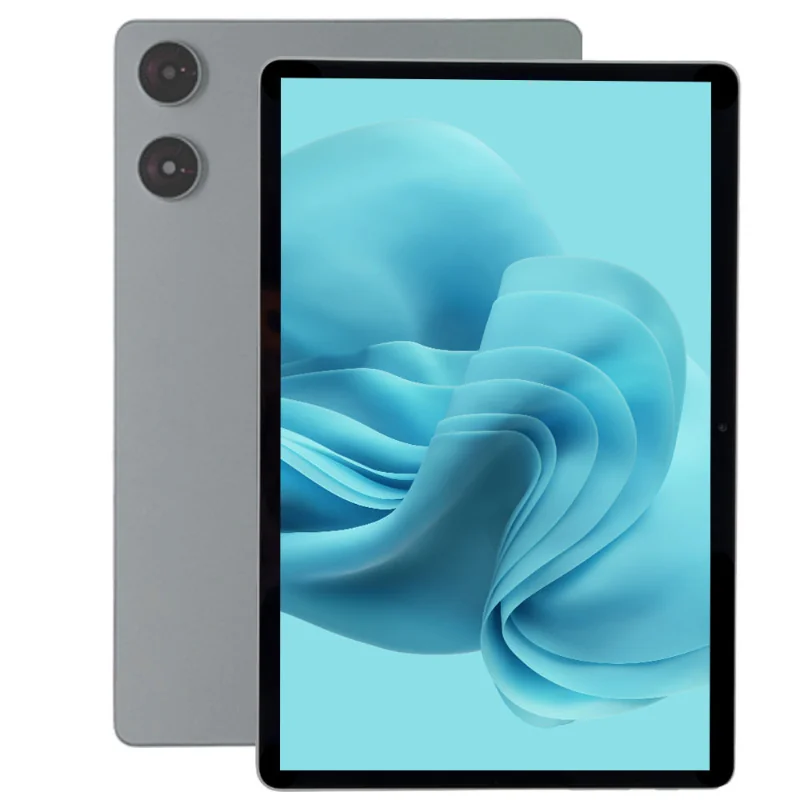
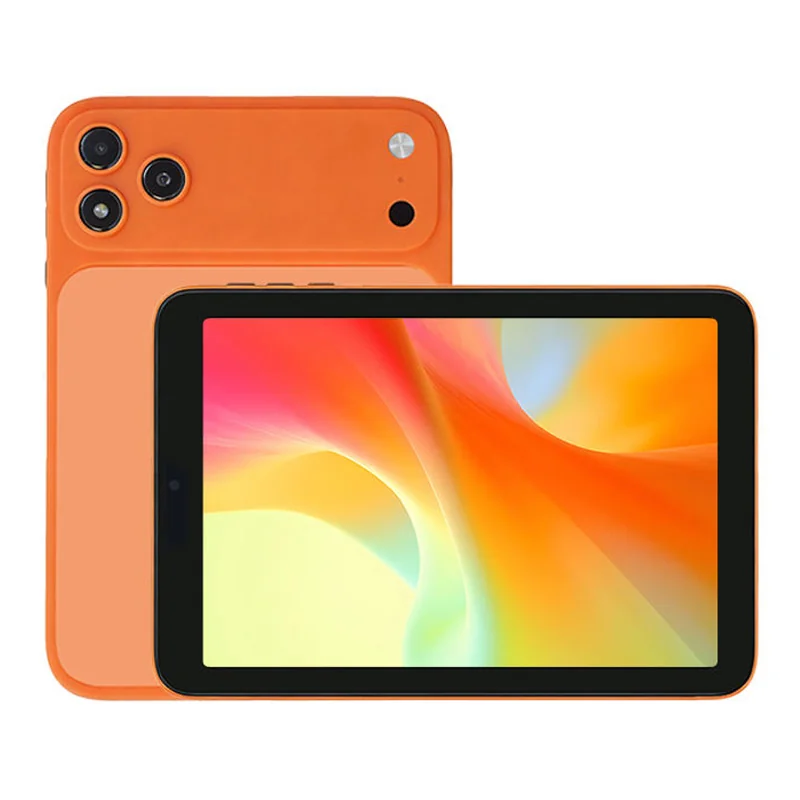
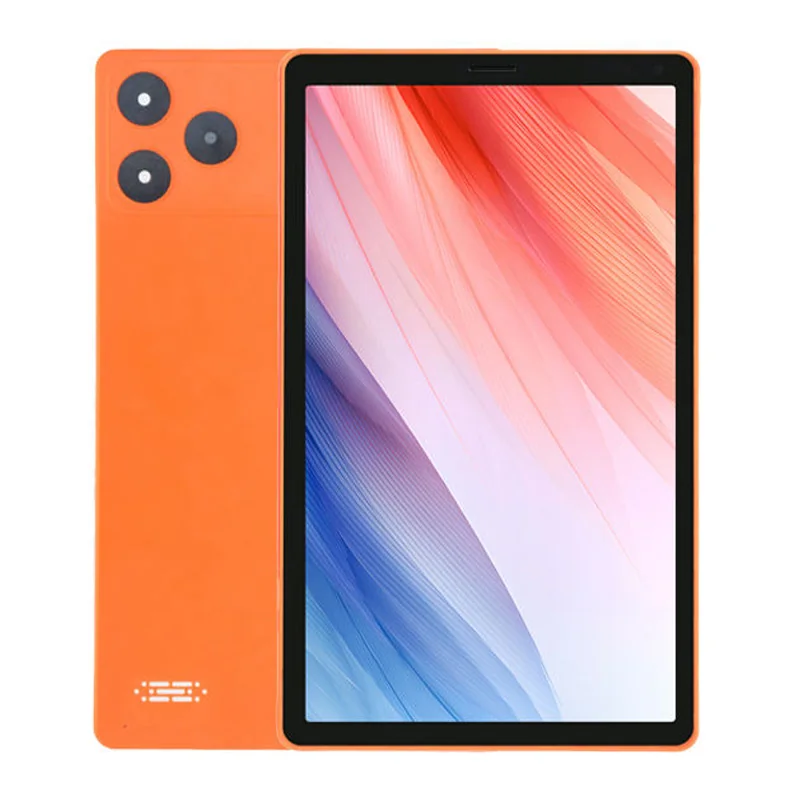
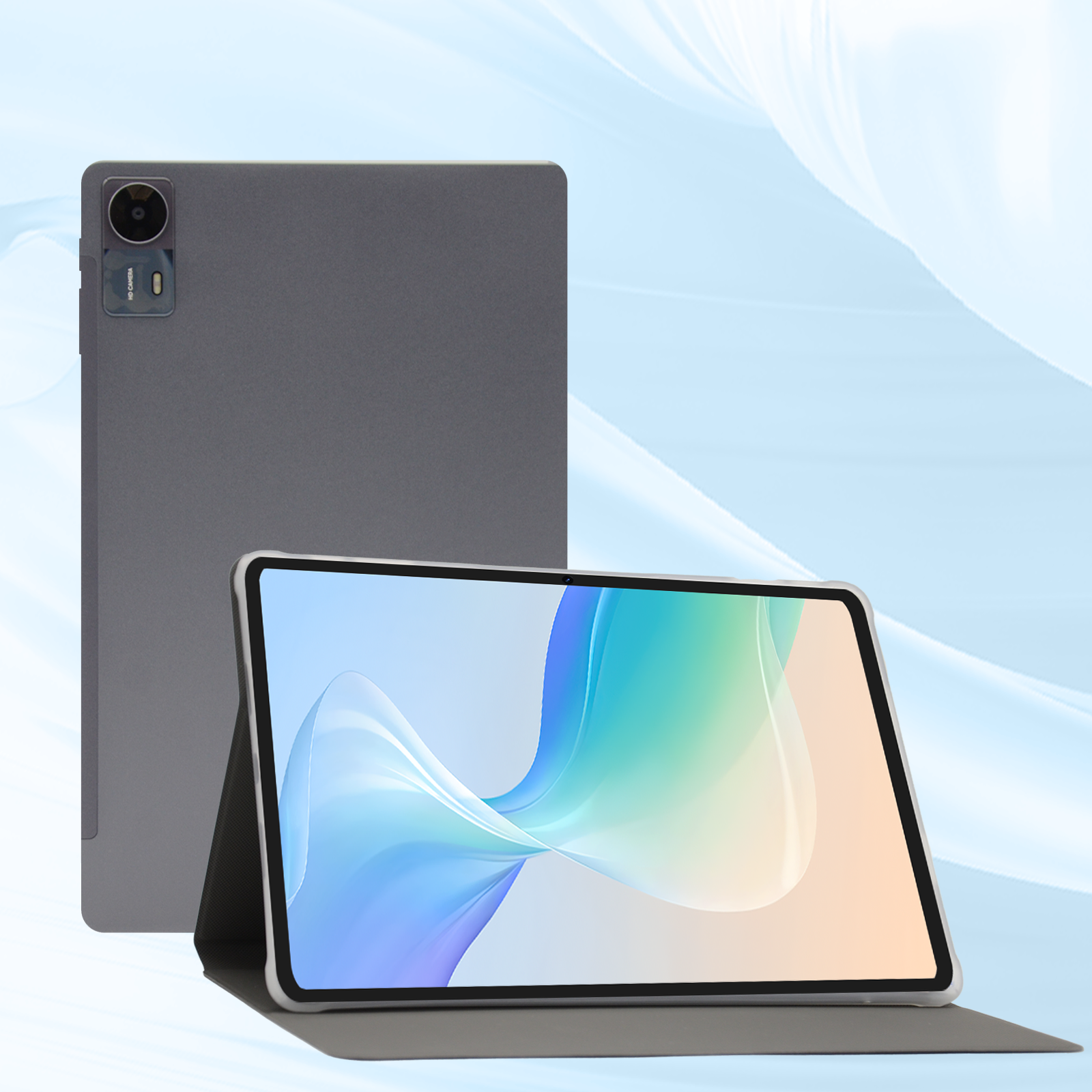
Wintouch ships Android 16 across multiple enterprise SKUs — factory-direct, OEM/ODM-ready, with MDM pre-configuration. Here’s how the lineup maps to AI workloads:
| Model | Display | OS | RAM / Storage | Best For |
|---|---|---|---|---|
| A80 | 10.1″ IPS 1280×800 | Android 16 | 4GB / 64GB | Retail POS, digital signage, lightweight AI (text classification, form autofill) |
| A80-A | 10.1″ IPS 1280×800 | Android 16 | 4GB / 64GB | Enterprise fleet deployment, MDM-managed kiosk, logistics |
| A11 | 10.95″ IPS | Android 16 | 8GB / 256GB | On-device AI inference (Gemini Nano-capable), field diagnostics, image recognition |
| A12 | 10.95″ IPS 800×1280 | Android 16 | 4GB / 128GB | Digital signage, wayfinding, conference-room displays |
| SA11 | 10.95″ IPS | Windows 11 | 12GB / 256GB | Legacy enterprise software, Windows-only AI tools, Intel x86 workloads |
All models support OEM customization: custom logo (silkscreen or laser), branded boot animation, custom firmware, branded packaging. Hardware variants available from 500 units. MDM pre-configured for SOTI, Scalefusion, Hexnode, ManageEngine, and VMware Workspace ONE.
Three Questions to Audit Your Current Fleet
Before placing your next tablet order, ask these three questions about every SKU in your fleet:
- What OS version? Android 14 or older means no AICore, no Gemini Nano, no on-device AI. Every tablet you buy today should ship with Android 16 or have a confirmed OTA path to it.
- How much RAM? On-device AI models need headroom. Google recommends 12GB+ for full Gemini Nano v3. Even lightweight models benefit from 8GB+. Tablets with 4GB can run text-based AI features but will struggle with multi-modal workloads.
- What’s the firmware commitment? If your supplier won’t commit to 3-5 years of security patches and Android version pinning, you’re buying disposables. Wintouch enterprise contracts include long-term firmware lock — same model, same hardware, across reorders.
The Risk of Waiting
The enterprise tablet procurement cycle typically runs 60-120 days from evaluation to first shipment — and that’s before the devices reach end users. If you place an order in Q4 2026 for non-AI tablets, those devices will hit the field in Q1 2027 — exactly when competitors are already running on-device diagnostics, offline AI checklists, and privacy-compliant inference. The gap compounds: AI-capable fleets get faster at everything, every quarter.
And component costs are rising — DRAM up 90-95% YoY, NAND up 70-75% in Q2 2026 according to TrendForce. Waiting means paying more for the same silicon.
Your Next Move
Wintouch ships enterprise Android 16 tablets factory-direct from Dongguan — ISO 9001 certified, CE / FCC / RoHS / GMS, with OEM customization and MDM pre-configuration. MOQ starts at 100 units. Samples ship in 14 days.
Request a quote for AI-ready enterprise tablets →
Need a spec sheet or want to discuss custom hardware? Contact our OEM team at info@wintouchcn.com or WhatsApp. Response within 24 hours.
FAQ
Does Wintouch offer tablets with dedicated NPU for on-device AI?
Yes. The A11 (8GB/256GB) and SA11 (12GB/256GB, Windows) have the hardware headroom to run on-device AI models including Gemini Nano via Android 16 AICore. We recommend discussing your specific AI workload with our engineering team during quotation so we match the right chipset.
What’s the minimum order quantity for AI-ready enterprise tablets?
MOQ is 100 units per SKU for standard configurations with OEM branding. For evaluation, single-unit samples are available. Hardware customization (custom RAM, storage, I/O modules) starts from 500 units.
Can Wintouch pre-install our AI application before shipping?
Yes. All enterprise orders can include custom firmware with your APK pre-loaded, kiosk mode configured, and MDM enrolled. Provide your app binary during the quotation phase and we’ll bake it into the factory image.
What if I’m buying for a regulated industry (healthcare, government, finance)?
On-device AI is particularly valuable for regulated deployments because inference data never leaves the device. Wintouch can configure Android Enterprise security policies, hardware-backed keystore, verified boot, and custom compliance documentation per your market requirements.